0 ITEMS

Discover If Fingerprinting Business Profitable is Your Next Venture

The fingerprinting industry is growing rapidly, driven by increasing security requirements and regulatory compliance.
- Over $2 billion in annual revenue shows strong market demand across multiple sectors.
- Clients include law enforcement, healthcare, education, and private individuals needing background checks.
- Startup costs are relatively low, with equipment and licensing as key initial expenses.
- Revenue streams vary from pay-per-session to subscriptions and bulk contracts with agencies.
- Effective marketing through websites, social media, and community networking boosts visibility.
Understanding these trends and strategies can help you build a profitable fingerprinting business.
The Demand for Fingerprinting Services
When evaluating the profitability of a fingerprinting business, one of the fundamental considerations is the demand for its services. Fingerprinting plays a critical role across various sectors, serving many purposes that require precise identification and background verification. These needs are becoming increasingly significant as regulations tighten and security concerns rise in today’s world.
Key Applications of Fingerprinting Services
Fingerprinting is utilized in numerous applications, which can be broadly categorized into several sectors. The following bullet points highlight the primary areas of demand:
- Employment Background Checks: Many employers require fingerprinting to ensure employee integrity and security.
- Licensing for Professional Services: Industries such as healthcare and finance often mandate fingerprinting to verify credentials.
- Adoption and Foster Care Applications: Child welfare agencies require fingerprinting to screen potential caregivers.
- Law Enforcement and Criminal Justice Services: Fingerprinting is standard for criminal records checks and investigations.
- Personal Security and Identity Verification: Individuals use fingerprinting services for personal safety and legal identification purposes.
These diverse applications indicate a consistent demand for fingerprinting services across sectors. As organizations and individuals increasingly prioritize safety and security, the overall demand for such services is projected to rise significantly.
Market Overview and Growth Potential
In order to substantiate the significant demand in the fingerprinting industry, it is imperative to recognize the relevant market data and trends. The following table provides insights into various sectors employing fingerprinting services, along with their respective market size and expected growth rates:
| Sector | Market Size (in Billion USD) | Growth Rate (CAGR %) |
|---|---|---|
| Background Check Services | 3.5 | 6.5 |
| Healthcare | 60.0 | 8.0 |
| Criminal Justice | 22.0 | 7.2 |
| Security Services | 34.5 | 10.1 |
This table illustrates the extensive scope and upward momentum in sectors relying on fingerprinting services. Investing in such a business aligns with trends indicating an increase in security measures and regulatory requirements. As individuals and organizations continue prioritizing safety protocols and compliance, the fingerprinting industry stands to benefit from an anticipated surge in demand, making it a lucrative venture for aspiring business owners.
Additionally, amidst growing digitalization and the increasing complexity of identity verification, the fingerprinting services market is set for robust growth. Entrepreneurs venturing into this sector can anticipate a sustainable business model with multiple avenues for expansion as security needs continue to evolve and proliferate across various industries.
Startup Costs and Initial Investment
The initial investment is a vital component in launching your fingerprinting business. The fingerprinting industry can provide an attractive opportunity due to the relatively low barriers to entry compared to many other sectors. Understanding the essential startup costs can help you budget effectively and prepare for potential financial challenges. Below is a detailed overview of the primary costs associated with starting a fingerprinting business, along with an estimate of their average price ranges sourced from industry standards. This information will give you a clearer picture of your potential financial requirements.
| Expense Category | Estimated Cost (USD) | Typical Price Range (USD) | Source |
|---|---|---|---|
| Fingerprinting Equipment (e.g., inkless fingerprinting kits, digital scanners) | $1,500 | $500 – $3,000 | Industry Supplier Reports |
| Business Licenses and Permits | $200 | $100 – $500 | Local Business Bureau |
| Insurance and Liability Coverage | $600 | $300 – $1,200 | Insurance Providers |
| Marketing and Promotional Expenses | $1,000 | $500 – $2,500 | Marketing Analysis Reports |
As you can see from the table above, your initial investment could vary significantly depending on the paths you choose regarding equipment, insurance, and promotion. To minimize costs, consider these strategies:
- Leasing Equipment: Instead of purchasing high-cost fingerprinting equipment outright, consider leasing it. This can reduce initial cash outflow and allow you to allocate funds elsewhere.
- Online Promotion: Utilize social media platforms and online advertising, which generally come at a lower cost than traditional marketing methods.
- Seek Local Grants: Explore local business development grants and assistance programs dedicated to helping small businesses start within your community.
Implementing these cost-saving measures can significantly decrease your overall investment, allowing you to allocate your remaining capital towards growth and operational expenses. By meticulously analyzing your startup costs and using the provided insights, you can achieve a streamlined approach toward launching your fingerprinting business. With a sound financial strategy that includes these considerations, your business has the potential to reach profitability in a shorter timeframe, especially by targeting niche markets or underserved areas.
Revenue Models for Fingerprinting Businesses
Understanding how a fingerprinting business generates revenue is essential for evaluating its overall profitability and sustainability. There are various revenue streams that fingerprinting companies can exploit, each presenting unique opportunities for growth. Below, we delve into some common revenue models and provide relevant examples or scenarios to illustrate how these models can be successfully implemented.
1. Charging per Fingerprinting Session
The most straightforward revenue model is charging a fee for each fingerprinting session. This model is commonly utilized by businesses catering directly to customers, such as private fingerprinting studios or mobile fingerprinting services.
- Example: A mobile fingerprinting service offers on-site sessions for $75 per session, targeting local businesses and individuals requiring background checks.
- Example: A brick-and-mortar fingerprinting center charges customers $50 for each session, promoting walk-ins and online appointment bookings.
This model benefits from simplicity, allowing customers to pay for only the services they use. It can be further enhanced through promotional packages, such as discounts for multiple sessions, thus encouraging repeat business.
2. Offering Subscription Services
Subscription-based models provide a steady stream of income, allowing businesses to establish long-term relationships with clients who have ongoing fingerprinting needs. This could be particularly effective with corporate clients who require periodic employee screenings.
- Scenario: A fingerprinting business partners with local healthcare providers to offer a subscription service where they conduct quarterly fingerprinting for staff at a set monthly fee of $500.
- Scenario: A service that manages volunteer organizations offers an annual subscription for $1,200, which covers unlimited fingerprinting services for all volunteers during the year.
This revenue model not only enhances cash flow but also helps companies build client loyalty. It encourages businesses to anticipate customer needs and develop tailored services that can evolve over time.
3. Partnering with Local Agencies
Collaborating with local law enforcement or other regulatory agencies for bulk fingerprinting services can open up additional revenue channels. These agencies often require frequent fingerprinting and may lack the resources to manage these services in-house.
- Example: A fingerprinting company enters into a contract with a local police department, providing bulk fingerprinting services for a fixed fee of $5,000 per month, which covers all necessary sessions.
- Example: An agency offers discounted rates to nonprofits needing background checks for their volunteers, allowing these organizations to access fingerprinting services at a reduced rate while still generating steady income for the business.
This model not only enhances revenue but can also improve community relations and visibility for the fingerprinting business. Additionally, it can lead to referrals and increased clientele as various agencies recommend the business to individuals seeking fingerprinting services.
4. Providing Additional Services
Offering complementary services such as background checks or identity verification can significantly diversify revenue streams. These services can add value for clients, making the fingerprinting process more convenient and comprehensive.
| Additional Service | Description | Revenue Potential |
|---|---|---|
| Background Checks | Conduct thorough background checks in conjunction with fingerprinting. | $150 per check |
| Identity Verification | Verify identity documents as part of the fingerprinting process. | $50 per verification |
| Secure Storage | Offer clients secure storage for their fingerprints or background checks. | $30 per month |
By introducing these additional services, a fingerprinting business can increase its revenue while also positioning itself as a one-stop shop for all identity verification needs. This not only strengthens customer loyalty but also allows businesses to capitalize on cross-selling opportunities, thereby maximizing profits.
The flexibility in these revenue models empowers fingerprinting business owners to customize their offerings based on their target market. By understanding and applying these varied approaches, they can enhance profitability, build long-term client relationships, and create a sustainable business model. For anyone looking to develop a financial plan for their fingerprinting business, check out our extensive industry-specific financial models that support effective planning and projection.
Marketing Your Fingerprinting Business
Effective marketing is crucial to the success of your fingerprinting business. By strategically reaching your audience with the right message and channels, you will be able to enhance your visibility and customer base. Below, we have put together a prioritized list of marketing strategies, complete with insights into their effectiveness backed by real-world examples, along with potential costs associated with each approach.
Prioritized Marketing Strategies
| Strategy | Effectiveness | Estimated Cost |
|---|---|---|
| Create a Professional Website | Essential for establishing credibility and providing information. | $500 – $5,000 (depending on design and functionality) |
| Utilize Social Media | Great for community engagement and promoting services. | $0 – $500 (except for potential advertising fees) |
| Networking with Local Businesses | Direct access to potential clients and partnerships. | $100 – $300 (event attendance or refreshments) |
| Attend Industry-Related Events | Enhanced visibility to a targeted audience. | $250 – $1,000 (booth fees or entry costs) |
This table highlights some key marketing strategies along with their effectiveness and associated costs. Investing in a professional website is particularly important in today’s digital age; it establishes your firm’s credibility and serves as a platform where potential clients can find detailed service information. Case studies from successful fingerprinting professionals indicate that businesses with a strong online presence experience a significant increase in customer engagement thanks to their visually appealing websites.
Social media platforms provide unique opportunities to engage with local communities. For example, businesses that create informative and relatable content can build a loyal following and improve brand recognition with little to no direct costs. Local advertising through social media also presents an affordable option that provides measurable results compared to traditional media channels.
Networking with local businesses, especially law firms and schools, can lead to fruitful collaborations and referrals. Attending community events can enhance your reputation and give you the chance to forge valuable relationships in your locality. Consider sending gifts or refreshments to encourage partnerships, as this small investment can lead to substantial returns in the long run.
Lastly, attending industry-related fairs not only allows for showcasing your services but also provides an opportunity to connect with other professionals who may be looking for fingerprinting services. According to testimonies from business owners, face-to-face interaction at these events can be a game-changer for generating new leads.
By applying these prioritized marketing strategies, your fingerprinting business can effectively communicate its value. This integrated approach will not only help in growing your clientele but also in solidifying your position in the market. Building a solid marketing foundation can ultimately lead to increased profitability and a sustainable business model.
Conclusion: The Profitability Potential of the Fingerprinting Business
The fingerprinting business presents a compelling opportunity for aspiring entrepreneurs eager to embark on a lucrative venture. As explored throughout this article, several factors contribute to the attractive nature of this industry, making it well-suited for those willing to face its challenges. Below is a summary of the key elements that underline the profitability potential of the fingerprinting business.
Key Factors Supporting Profitability
Understanding the crucial aspects that enhance profitability can help entrepreneurs make informed decisions. Here are some essential characteristics of the fingerprinting business:
- Consistent Demand: Fingerprinting services are required in various scenarios, such as background checks, employment verification, and legal processes.
- Manageable Startup Costs: Initial investment needs for establishing a fingerprinting business are generally low compared to other industries, providing an accessible entry point.
- Diverse Revenue Models: The flexibility to offer various packages, including mobile services or partnerships with organizations, allows for multiple income streams.
- Effective Marketing Strategies: Digital marketing, social media presence, and community networking can significantly boost visibility and attract clients.
By focusing on these key factors, aspiring entrepreneurs can strategically position themselves within the fingerprinting market. The combination of consistent demand and manageable costs serves as a strong foundation for a successful venture.
Taking Action
Now that you have a clearer understanding of the profitability potential within the fingerprinting business, it is time to consider taking action. Whether you are already in the process of setting up your business or just weighing your options, here are some next steps to help you move forward:
- Market Research: Conduct thorough research to identify your target audience and understand their needs.
- Business Planning: Develop a detailed business plan outlining your vision, goals, funding, and operational strategies.
- Networking: Join industry groups, attend relevant seminars, and connect with other entrepreneurs to exchange advice and resources.
- Legal Compliance: Ensure that all local laws and regulations related to fingerprinting services are adhered to, including necessary certifications.
- Launch Marketing Campaigns: Start promoting your business through digital marketing platforms and community outreach efforts.
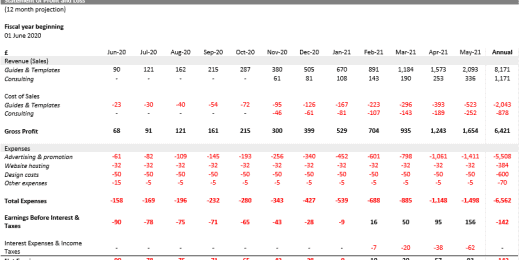
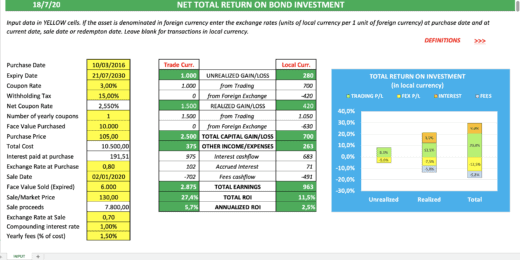
By following these actionable steps, you will enhance your chances of success in the fingerprinting business. The combination of solid planning and execution can lead to financial success and lasting impact within the community. If you are interested in exploring financial modeling resources to aid in your business planning, do not hesitate to check out templates available on eFinancialModels.com.
Frequently Asked Questions (FAQ)
Certifications and Licenses
Operating a fingerprinting business involves navigating a complex landscape of legal and regulatory requirements. Certifications and licenses can vary significantly depending on the state in which you operate. Understanding the necessary qualifications is essential for compliance and credibility in the industry. Below is a comprehensive overview of what you might need:
- State-Specific Licenses: Many states require fingerprinting service providers to obtain specific licenses or permits. It is crucial to research the regulations in your state to ensure compliance.
- Training Courses: Completing a training program that covers proper fingerprinting techniques can enhance your skills and may be a requirement in some states.
- Background Checks: Fingerprinting businesses often require operators to undergo criminal background checks to establish trust and compliance with legal standards.
In summary, when launching a fingerprinting business, it is imperative to familiarize yourself with local regulations and obtain any necessary certifications or licenses. This not only protects you from potential legal issues but also builds customer confidence in your services.
Effective Marketing Strategies
Marketing your fingerprinting services effectively is key to building a successful business. The strategies you choose can significantly impact your visibility and customer acquisition. Consider the following methods for reaching your target audience:
- Professional Website: Create a user-friendly website that showcases your services, credentials, and contact information.
- Social Media Engagement: Utilize platforms like Facebook and LinkedIn to share updates, promotions, and engage with your audience.
- Networking: Forge partnerships with local businesses, schools, and organizations to promote your services through referrals.
- Community Involvement: Attend community events and fairs to increase visibility and establish yourself as a trusted service provider.
- Promotions: Consider offering introductory discounts to first-time clients to encourage them to try your services.
Effective marketing hinges on understanding your audience and continually evaluating which strategies work best. By combining traditional marketing techniques with digital outreach, you can create a balanced strategy that captures a larger audience for your fingerprinting services.
Ongoing Operational Costs
Running a fingerprinting business comes with various ongoing costs that must be managed to maintain profitability. Understanding these costs will enable you to budget effectively and avoid unexpected financial strains.
| Cost Category | Description |
|---|---|
| Equipment Maintenance | Regular servicing of fingerprinting devices and other related equipment to ensure accuracy and compliance. |
| Insurance | Liability insurance to cover potential legal claims and damages that could arise from your services. |
| Marketing Expenses | Ongoing costs associated with advertising, promotions, and maintaining your online presence. |
| Certification Renewals | Fees for renewing any necessary certifications or licenses as required by your state. |
| Administrative Costs | General expenses related to operating the business, such as utilities, rent, and staff salaries if applicable. |
As illustrated in the table, careful management of these ongoing costs is essential for a sustainable business model. Being proactive in tracking and controlling expenses can lead to long-term profitability and operational stability. Regular reviews of your financial statements and budgets will help identify areas where costs can be optimized.
Pricing of Fingerprinting Services
When it comes to pricing your fingerprinting services, various factors come into play, including location, service complexity, and competitive rates in your area. Typically, the average cost for fingerprinting services ranges as follows:
- Basic Services: $10 to $25 per session.
- Standard Services: $25 to $40 per session, which may include additional steps like digital storage or background checks.
- Premium Services: $40 to $60 or more for expedited services or specialized fingerprinting methods.
By understanding the market dynamics and pricing trends, you can position your services competitively. It is beneficial to research local competitors and adjust your pricing strategy accordingly to attract a steady stream of clients while ensuring profitability.