
0 ITEMS

Finding the Balance in Your Optimal Capital Structure
Table of Content
- Understanding the Significance of Optimal Capital Structure
- What is Capital Structure and Why is it Important?
- Factors Influencing Capital Structure Decisions
- Benefits of Establishing an Optimal Capital Structure
- Understanding Capital Structure Theory
- Utilizing the Capital Structure Formula and Ratios
- Application of Capital Structure Ratios
- Practical Example: Calculating Optimal Capital Structure
- When to Reevaluate and Adjust Capital Structure
- Common Mistakes to Avoid in Capital Structure Planning
- The Continual Process of Capital Structure Optimization

Optimal capital structure forms the crux of effective financial planning. It is an important financial approach for business owners who want to efficiently manage their resources and ensure their company’s viability. The term ‘optimal capital structure’ refers to the perfect mix of debt and equity that a company uses to finance its operations and growth. It is deemed optimal because this particular mix minimizes the company’s cost of capital and maximizes its value.
- The optimal capital structure combines debt and equity to lower the overall cost of financing.
- Tax benefits of debt, such as interest deductions, are weighed against increased financial risk.
- Market conditions, industry norms, and business risk influence the right mix of debt and equity.
- Regular review and adjustment of the capital structure are necessary as company and market factors evolve.
- Proper management of capital structure enhances financial flexibility and investor confidence.
The foundation of the optimal capital structure lies in assessing the mix of debt and equity that leads to a balance, where the company’s cost of capital is the lowest. This blending consequently helps in heightening the company’s market value. In essence, the optimal capital structure is an equilibrium point, where the marginal benefit of debt equals the marginal cost. In practice, the ideal mix will change over time as market conditions, interest rates, and business risks evolve. Thus, it is critical for owners and financial managers to continually review and adjust their firm’s capital structure.
Understanding the Significance of Optimal Capital Structure
Optimal capital structure is a critical concept in financial planning and management. It signifies the ideal mix of debt and equity that minimizes a company’s cost of capital and maximizes its value. This balance is essential for ensuring financial health and sustainability. By effectively managing its capital structure, a company can lower its weighted average cost of capital. This then enables it to undertake more profitable projects and improve overall returns for investors.
Maintaining an optimal capital structure also provides significant financial flexibility. This flexibility allows a business to adapt to changing economic conditions, capitalize on new opportunities, and navigate financial challenges more effectively. For example, a well-balanced capital structure facilitates easier access to financing at favorable terms, helping the company avoid the pitfalls of excessive leverage or financial distress.
In addition, a thoughtfully planned capital structure enhances company value by instilling confidence among investors and creditors. This can lead to better credit ratings, lower borrowing costs, and a more favorable perception of the market. Strategic decision-making is bolstered by a deep understanding of the optimal capital structure, guiding leaders in funding new projects, pursuing mergers and acquisitions, and restructuring debt. Ultimately, maintaining an optimal capital structure is vital for long-term business success and stability. To appreciate the significance of an optimal capital structure, it’s essential to first understand what capital structure is and why it holds such importance.
What is Capital Structure and Why is it Important?
A company’s capital structure represents a crucial element of its financial identity. In its simplest terms, capital structure refers to the composition of a firm’s funding obtained from various sources. This includes debt, equity, and hybrid securities such as preferred equity and convertible notes. The ratio of debt to equity is a pivotal component of the capital structure. For example, a business with a high level of debt relative to equity is considered highly leveraged. This leverage can introduce certain risks, such as increased vulnerability to financial distress, but it also offers the potential for higher returns due to the typically lower cost of debt compared to equity.
Capital structure plays a major role in business operations as it impacts the company’s risk profile and its cost of capital, thereby influencing investor perception and company valuation. A business with a predominantly equity-financed capital structure might be seen as less risky, as equity does not require fixed repayments and there is no obligation to repay investors. However, this approach could limit the potential for high returns since equity financing generally has a higher cost of capital compared to debt. Conversely, a company with a greater proportion of debt in its capital structure could potentially offer higher returns due to the lower cost of debt financing, but this comes at the expense of higher financial risk, including the obligation to make regular interest payments.
Finding the optimal capital structure is essential for maximizing a firm’s value. The ideal balance between debt and equity varies depending on industry norms, interest rates, business risk, and tax considerations. For instance, a technology startup with volatile earnings might prefer a higher equity ratio to avoid the pressure of fixed debt repayments, while a mature manufacturing firm with stable cash flows might leverage more debt to benefit from the tax deductibility of interest payments. Therefore, capital structure decisions must align with the firm’s broader strategic and financial goals, ensuring financial stability and flexibility over time.
The Balance in Capital Structure
Achieving an ideal balance between different sources of capital, often referred to as the optimal capital structure, can significantly lower a company’s cost of capital and maximize its value. The optimal capital structure varies for each company, depending heavily on industry norms, interest rates, business risk, and tax considerations. Therefore, capital structure decisions should always align with the firm’s broader strategic and financial goals, as they influence the company’s financial stability and flexibility over time.
Business leaders and financial managers must pay close attention to their company’s capital structure. It is crucial for understanding the financial health of the business and guiding decisions related to financing strategic initiatives, expansions, and daily operations. For example, a tech company with high growth potential might prioritize equity to fund innovative projects without the burden of fixed debt repayments, whereas a manufacturing firm with stable cash flows might leverage debt to benefit from tax deductions. The right balance between debt and equity enables a company to tackle financial uncertainties, manage debts effectively, and seize opportunities for growth and innovation.
Ongoing evaluation and adjustment of the capital structure are essential. As market conditions and business needs evolve, so too should the capital structure. Regular reassessment ensures that the company remains financially resilient and competitive. For instance, during economic downturns, reducing debt can help maintain financial stability, while during periods of growth, strategically increasing leverage can amplify returns. This dynamic approach to capital structure management supports the firm’s long-term success and adaptability in a changing business environment.
Factors Influencing Capital Structure Decisions

Every company’s capital structure is influenced by a multitude of significant factors, each playing a critical role in shaping the financial decisions a business makes. It is vital for business owners and financial planners to have a deep understanding of these influencing elements, as they can drastically affect the determination of an optimal capital structure.
One primary determinant of capital structure decisions is business risk. Companies with high degrees of business risk may be more cautious about taking on substantial amounts of debt. Business risks can include volatile sales, variability in operating income, and contingencies such as lawsuits or regulatory penalties. For example, a start-up with unpredictable cash flow is likely to rely more on equity financing rather than debt, to mitigate the risk of insolvency during periods of low revenue. This cautious approach helps to ensure that the company can maintain financial stability even when facing fluctuations in its income stream.
Another critical factor is industry norms, which can provide a benchmark for determining an appropriate capital structure. Different industries have varying standards for acceptable levels of debt and equity. For instance, utility companies, which typically have stable and predictable cash flows, might operate with higher debt levels compared to technology firms, which experience more rapid changes and greater volatility in their markets. Understanding these industry-specific norms allows businesses to make informed decisions that align with both their operational realities and investor expectations.
Business Risk
One primary determinant of capital structure decisions is business risk. Companies with high degrees of business risk may be more cautious about taking on substantial amounts of debt. Business risks can include volatile sales, variability in operating income, and contingencies such as lawsuits or regulatory penalties. For example, a start-up with unpredictable cash flow is likely to rely more on equity financing rather than debt to mitigate the risk of insolvency during periods of low revenue. This cautious approach helps to ensure that the company can maintain financial stability even when facing fluctuations in its income stream.
Industry Norms
Industry norms provide a benchmark for determining an appropriate capital structure. Different industries have varying standards for acceptable levels of debt and equity. For instance, utility companies, which typically have stable and predictable cash flows, might operate with higher debt levels compared to technology firms, which experience more rapid changes and greater volatility in their markets. Understanding these industry-specific norms allows businesses to make informed decisions that align with both their operational realities and investor expectations.
Tax Implications
Tax implications play a significant role in shaping capital structure decisions. Interest payments on debt are tax-deductible, which can make debt financing more attractive by effectively reducing the company’s tax burden. This tax shield can incentivize companies to increase their leverage. However, it is important to balance this benefit against the potential risks associated with higher debt levels. For example, while the tax deductibility of interest can reduce taxable income, it also increases the obligation to meet regular interest payments, which can strain cash flow, particularly during economic downturns.
Strategic Planning
Strategic planning is crucial when determining a company’s capital structure. The chosen mix of debt and equity should align with the company’s long-term strategic goals and operational needs. For instance, a company planning a significant expansion or acquisition might opt for more debt to take advantage of the lower cost of capital and tax benefits. Conversely, a firm focusing on maintaining flexibility and minimizing financial risk might prefer equity financing to avoid the fixed obligations associated with debt. Strategic planning also involves regularly reassessing the capital structure to adapt to changing market conditions and business circumstances, ensuring the company remains agile and resilient.
In summary, a company’s capital structure is shaped by various factors including business risk, industry norms, tax implications, and strategic planning. These elements interact in complex ways to influence financial decisions, ultimately determining the balance between debt and equity. A thorough understanding of these factors is crucial for business owners and financial planners to make informed choices that align with the company’s long-term goals and financial stability. Understanding the factors that influence capital structure decisions is essential for recognizing the benefits of establishing an optimal capital structure.
Benefits of Establishing an Optimal Capital Structure

The advantages of establishing an optimal capital structure are numerous and far-reaching. Each business, with its unique financial health, stability, and market conditions, requires a tailored approach to capital structure. By achieving the right balance between equity and debt, companies can create an optimal capital structure that drives overall growth and stability.
One of the most significant benefits of an optimal capital structure is the minimization of the cost of capital. At the core of every business decision is the drive to improve efficiency and reduce costs. With an optimal mix of equity and debt, a firm can achieve the lowest possible cost of capital by leveraging the benefits of both forms of financing. Specifically, the tax-deductibility of interest expenses on debt helps minimize the after-tax cost of capital. For instance, if a company incurs $1 million in interest expenses and the corporate tax rate is 30%, the company effectively saves $300,000 in taxes, thereby reducing the net cost of debt.
Additionally, an optimal capital structure enhances financial flexibility. By balancing debt and equity, a company can maintain access to capital markets under favorable terms. This flexibility is crucial for seizing growth opportunities, managing unforeseen financial challenges, and maintaining operational stability. For example, a company with a well-balanced capital structure can easily raise funds for a new project or acquisition without over-leveraging and risking financial distress. This balance allows the company to adapt swiftly to changing market conditions and pursue strategic initiatives with confidence.
Establishing an optimal capital structure positively influences investor perception and company valuation. Investors often prefer companies with a well-thought-out capital structure as it signals prudent financial management and a lower risk of financial instability. This positive perception can lead to a higher valuation, a lower cost of equity, and an increased ability to attract new investors. For instance, a company with a balanced capital structure might enjoy a higher stock price and better credit ratings compared to a highly leveraged company, thus enhancing its overall market standing.
Minimizing the Cost of Capital
One of the most significant benefits of an optimal capital structure is the minimization of the cost of capital. At the core of every business decision is the drive to improve efficiency and reduce costs. With an optimal mix of equity and debt, a firm can achieve the lowest possible cost of capital by leveraging the benefits of both forms of financing. Specifically, the tax-deductibility of interest expenses on debt helps minimize the after-tax cost of capital. For instance, if a company incurs $1 million in interest expenses and the corporate tax rate is 30%, the company effectively saves $300,000 in taxes, thereby reducing the net cost of debt.
Enhancing Financial Flexibility
An optimal capital structure enhances financial flexibility. By balancing debt and equity, a company can maintain access to capital markets under favorable terms. This flexibility is crucial for seizing growth opportunities, managing unforeseen financial challenges, and maintaining operational stability. For example, a company with a well-balanced capital structure can easily raise funds for a new project or acquisition without over-leveraging and risking financial distress. This balance allows the company to adapt swiftly to changing market conditions and pursue strategic initiatives with confidence.
Improving Investor Perception and Company Valuation
Establishing an optimal capital structure positively influences investor perception and company valuation. Investors often prefer companies with a well-thought-out capital structure as it signals prudent financial management and a lower risk of financial instability. This positive perception can lead to a higher valuation, a lower cost of equity, and an increased ability to attract new investors. For instance, a company with a balanced capital structure might enjoy a higher stock price and better credit ratings compared to a highly leveraged company, thus enhancing its overall market standing.
Establishing an optimal capital structure is a strategic imperative for businesses aiming to maximize their growth and stability. By carefully balancing debt and equity, companies can minimize their cost of capital, enhance financial flexibility, and improve investor perception and company valuation. Each of these benefits contributes to a stronger financial foundation, enabling businesses to navigate market fluctuations, capitalize on new opportunities, and sustain long-term success. The continuous evaluation and adjustment of the capital structure in response to changing market conditions and business needs ensure that companies remain competitive and resilient in an ever-evolving financial landscape.
Understanding Capital Structure Theory
Determining the optimal capital structure requires a thorough understanding of an organization’s financial status, as well as predicting the impact of such decisions on future profitability and risks. It involves a delicate balance of equity and debt financing that minimizes the overall capital cost while maximizing the firm’s value. This process, although complex, can lead to advantageous implications for the firm’s growth and shareholder value if executed correctly.
The first step towards establishing optimal capital structure is conducting a comprehensive risk analysis of the firm’s operations. This entails evaluating the organization’s business risk (the risk inherent in the firm’s operations) and its financial risk (the risk due to the firm’s financing decisions). Both risks should be thoroughly assessed to ensure that the firm can withstand economic downturns while being sufficiently leveraged to capitalize on growth opportunities.
Capital structure theory delves into the strategies businesses use to balance debt and equity in their financial framework. These strategies are crucial for determining the optimal mix that minimizes the cost of capital while maximizing company value. Two prominent theories guide these strategies: the trade-off theory and the pecking order theory.
Trade-Off Theory
The trade-off theory posits that companies balance the tax advantages of debt financing with the costs of potential financial distress. Debt interest is tax-deductible, making it an attractive option as it reduces taxable income and, consequently, the tax burden. However, too much debt increases the risk of bankruptcy, financial distress, and the associated costs such as legal fees, restructuring costs, and loss of business reputation.
For example, consider a manufacturing company with significant capital needs. By issuing debt, the company can benefit from the tax shield on interest payments. However, if the company takes on too much debt, it may struggle to meet interest obligations during a downturn in the manufacturing sector, leading to financial distress.
The trade-off theory suggests that there is an optimal point where the marginal benefit of debt (tax savings) equals the marginal cost (financial distress). Businesses must find this balance to achieve their optimal capital structure.
Pecking Order Theory
The pecking order theory suggests that companies prefer financing options in a specific order: internal funds first, debt second, and equity last. This hierarchy is based on the premise that companies aim to avoid the costs and asymmetries of issuing new equity. Equity issuance can signal to the market that the company’s stock is overvalued, potentially leading to a decline in share price.
For instance, a tech startup with high growth potential might first use retained earnings to fund new projects. If additional funds are needed, the startup may take on debt, which does not dilute ownership. Issuing new equity would be a last resort, as it might signal to investors that the company believes its shares are overvalued or that it lacks sufficient internal funds.
The pecking order theory highlights the preference for internal financing due to lower costs and fewer signaling issues, guiding companies in their capital structure decisions.
Understanding these theories helps businesses determine their optimal capital structure by balancing the benefits and risks associated with different financing options.
Utilizing the Capital Structure Formula and Ratios
Capital structure formulas and ratios are essential tools for analyzing and optimizing a company’s financial setup. These metrics provide insights into the proportion of debt and equity in a firm’s capital structure, helping to assess financial health and risk.
Key Capital Structure Ratios
- Debt-to-Equity Ratio (D/E): This ratio compares a company’s total debt to its total equity. It indicates how much debt is used to finance the company’s assets relative to equity. A high D/E ratio may suggest higher financial risk, as the company relies heavily on debt. Conversely, a lower ratio indicates a more conservative capital structure, with less reliance on debt.
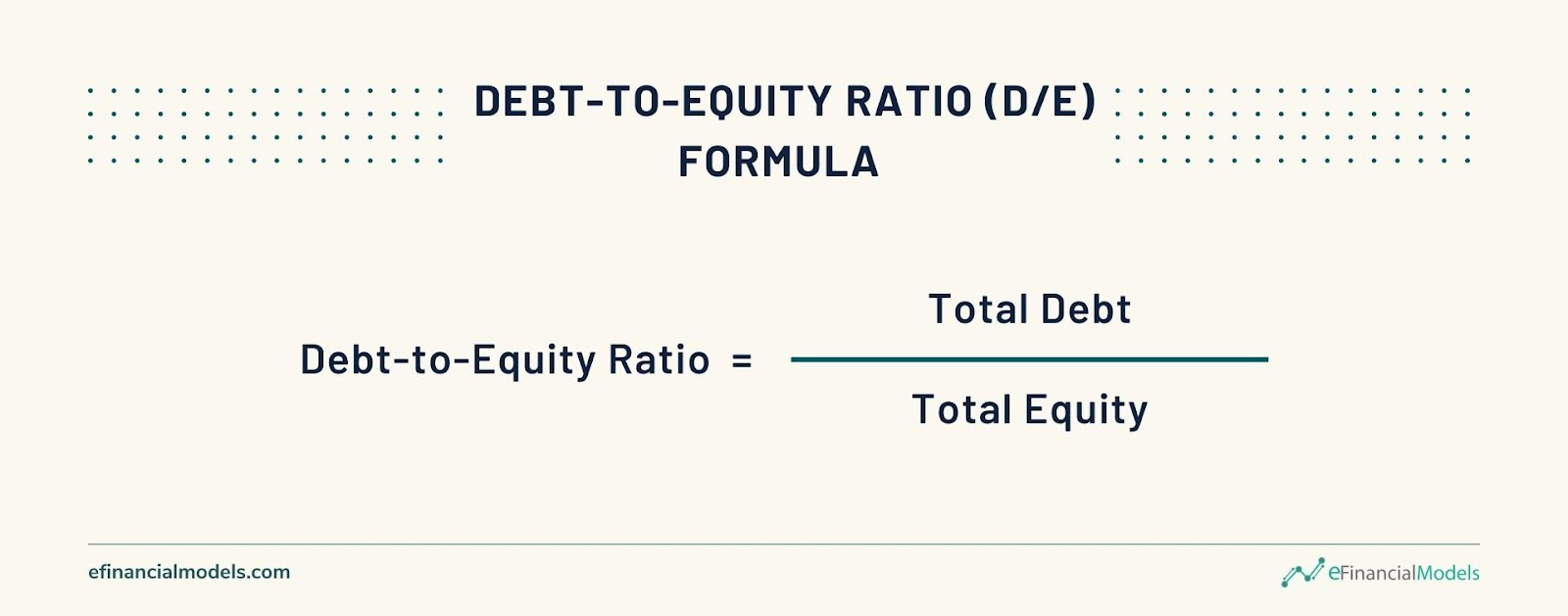
For example, if a company has $2 million in debt and $1 million in equity, its debt-to-equity ratio would be 2:1, indicating twice as much debt as equity. This ratio helps investors understand the level of financial risk associated with the company’s capital structure.
- Equity Ratio: This ratio measures the proportion of equity used to finance the company’s assets. It is calculated by dividing total equity by total assets. A higher equity ratio signifies a lower level of debt and financial leverage, indicating a stronger financial position and less risk of financial distress.
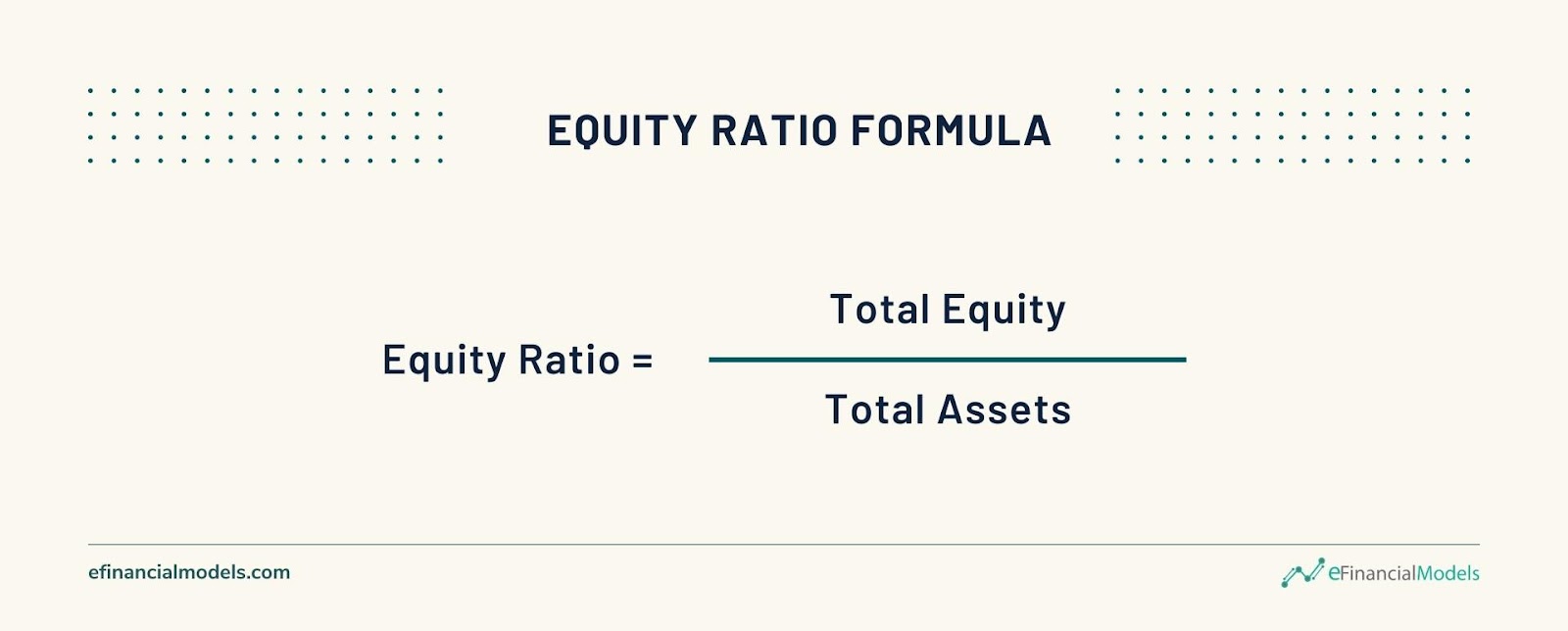
For instance, if a company has $1 million in equity and $3 million in total assets, its equity ratio would be 0.33, or 33%. This indicates that one-third of the company’s assets are financed by equity, with the remainder financed by debt or other liabilities.
- Debt Ratio: This ratio indicates the proportion of a company’s assets that are financed by debt. It is calculated by dividing total debt by total assets. A higher debt ratio suggests greater reliance on debt for asset financing, which can increase financial risk.

For example, if a company has $2 million in debt and $3 million in total assets, its debt ratio would be 0.67, or 67%. This means that two-thirds of the company’s assets are financed by debt, indicating a higher level of financial leverage.
Application of Capital Structure Ratios
By analyzing these ratios, businesses can make informed decisions about their capital structure. For instance, if a company’s debt-to-equity ratio is high, it may consider reducing debt or increasing equity to mitigate financial risk. This could involve strategies such as paying down debt, issuing new equity, or retaining earnings to strengthen the equity base.
Conversely, if the equity ratio is high, the company might explore debt financing to leverage growth opportunities. This approach can be beneficial for expanding operations, investing in new projects, or acquiring other businesses. However, it is crucial to maintain a balance to avoid excessive financial leverage and the associated risks.
Using these formulas and ratios, businesses can optimize their capital structure, ensuring a balanced approach to debt and equity that supports financial stability and growth. By regularly monitoring and adjusting their capital structure, companies can adapt to changing market conditions and achieve long-term success.
Practical Example: Calculating Optimal Capital Structure
In understanding and applying the concept of an optimal capital structure, it proves beneficial to explore a practical example. Let’s imagine a business called XYZ Corporation. This company wishes to establish an optimal capital structure. However, management is unsure about the right mix of debt and equity.
Step 1: Determine Current Capital Structure
Let’s assume that XYZ Corporation has set up its initial balance sheet with total assets of $50,000, funded by $30,000 of debt (long-term liabilities) and $20,000 as Equity. Therefore, the total capital invested is $50,000 (Debt + Equity). We calculate Ratio of Debt to Total Capital (D/TC) as 0.6 (30,000/50,000) and the Ratio of Equity to Total Capital (E/TC) as 0.4 (20,000/50,000).
Step 2: Comparative Analysis
XYZ Corporation compares the debt to total capital ratio to the industry average. Assuming the industry average for D/TC ratio is 0.4, it implies that XYZ Corporation is comparatively more leveraged since its current D/TC ratio is higher than the industry average.
Step 3: Optimize Capital Structure
With the objective of achieving the optimal capital structure, XYZ corporation decides to decrease its Debt ratio to be in line with industry norms. The company can achieve this by either increasing the equity or decreasing the total debt. This decision significantly depends on various factors, such as the cost of borrowing and the firm’s growth prospects, but the focus is on reducing the cost of capital and increasing the value of the company.
Step 4: Evaluate the Impact & Repeat
The analysis doesn’t end with adjusting the structure once. XYZ Corporation regularly evaluates its capital structure and makes necessary adjustments based on changes in business conditions, cost of capital, and several other industry factors.
This process essentially displays how firms can determine and optimize their capital structure using practical financial ratios, industry benchmarks, and in-depth risk and growth considerations. Achieving the optimal capital structure requires careful planning, continual assessment, and adjustment in alignment with the firm’s objectives and market dynamics. In the context of business owners and managers, understanding and implementing these principles helps in making accurate capital allocation decisions, thereby facilitating sound financial planning and the overall success of their business.
When to Reevaluate and Adjust Capital Structure
While establishing an optimal capital structure is essential for every business, it’s equally important to recognize that this structure is not stagnant. Changes in your business operation, external market conditions, or financial performance can all trigger the need for reevaluation and adjustment of the capital structure. To respond proactively to these changes and maintain financial stability, business owners should regularly review their capital structure and make necessary adjustments.
The primary reason to review and adjust capital structure revolves around sustaining financial flexibility. As the business climate evolves, a company might need to respond to new investment opportunities or unexpected threats swiftly. An optimal capital structure enables businesses to tap into either debt or equity financing based on the specific circumstance. If the established framework has become imbalanced, it may hinder the business’s ability to react effectively.
Indicators for Capital Structure Reevaluation
There are several specific situations where it becomes vital to review the capital structure. These include changes in interest rates, tax laws, company’s profitability, and changes in business risk. For example, a decrease in interest rates could make debt more attractive, leading to a shift in the capital structure favoring more debt. Alternatively, changes in tax laws could impact the tax benefits associated with debt, and firms might adjust their capital structure in response.
The variations in a company’s profitability and inherent business risk also play a crucial role. If profits are falling, businesses may need to reduce their reliance on debt to decrease financial risk. Conversely, firms may choose to utilise more debt if their earnings are rising and stable. Similarly, a shift in the company’s business risk profile, owing to factors like market dynamics, competition, or internal changes, necessitates a review of the capital structure.
In summary, understanding when to reevaluate and adjust the optimal capital structure enriches the decision-making process and boosts a firm’s financial adaptability. Regular reviews and necessary adjustments in the light of changing factors ensure that businesses can respond to various scenarios while preserving the benefits of the optimal capital structure.
Common Mistakes to Avoid in Capital Structure Planning
Capital structure planning plays a crucial role in financial feasibility and overall business profitability. However, there are prevalent mistakes that many businesses, both start-ups and established ones, commonly make in this planning process. Highlighting and understanding these pitfalls can ensure a smoother journey to achieving an optimal capital structure.
- Excessive Leverage
One primary error many companies commit is excessively relying on debt, also known as over-leveraging. Debt can be beneficial in some scenarios, particularly if the company can generate a higher return on the borrowed capital than the interest cost. However, if an organization overburdens itself with debt, this can lead to cash flow problems and increased vulnerability to market fluctuations and economic downturns. Over-leveraging can ultimately derail a company’s financial plans and jeopardize its financial stability. Achieving the optimal capital structure thus entails striking the right balance between debt and equity.
- Ignoring Market Trends
In addition, businesses often overlook the importance of keeping themselves updated with market trends and changes in industry norms. Generally, industries have certain benchmarks for debt-to-equity ratios that companies can aspire to or even surpass. However, these standards evolve over time, so continuously staying informed is vital. Furthermore, fluctuations in interest rates, shifts in the economic climate, and developments in legislation can all affect a company’s capital structure decisions. Therefore, companies should monitor these dynamics to promptly adapt their capital structure planning accordingly.
- Failure to Reevaluate and Adjust the Capital Structure
Lastly, a common mistake is the failure to periodically review and adjust the capital structure. In the fast-paced world of business, static plans rarely stand the test of time. A business’s capital structure should thus be a living plan, regularly adjusted to fit the changing needs and financial health of the company. Proper financial management includes understanding when and how to pivot, making this a critical aspect of maintaining an optimal capital structure.
Implicit in the concept of optimal capital structure is the need to avoid common mistakes such as over-leveraging, ignoring market trends, and failing to reevaluate and adjust the capital structure in line with the business’s evolving needs. By sidestepping these downfalls, companies can make more informed decisions and enhance their financial stability and profitability in the long run.
The Continual Process of Capital Structure Optimization
Establishing an optimal capital structure is a complex yet rewarding endeavor that demands a comprehensive understanding of various factors, including the business’s risk profile, industry norms, tax implications, and the balance between equity and debt financing. Importantly, optimal capital structure is not a static achievement but a dynamic, ongoing process that must be regularly reevaluated to adapt to changing market conditions and business needs.
Maintaining an optimal capital structure is crucial for sustainable financial planning. It enables businesses to efficiently leverage their assets, minimize the cost of capital, and potentially increase overall company value. By mastering the principles of optimal capital structure, businesses can achieve greater financial flexibility, providing a significant advantage in today’s competitive and ever-evolving marketplace.
Finding the optimal capital structure is an ongoing task of fine-tuning and adjustment. As businesses grow, market trends shift, and industry norms evolve, the ideal balance between debt and equity will likely change. Regularly reassessing and adjusting the capital structure ensures it remains strategically aligned with the company’s long-term financial goals and objectives.
Ultimately, financial planning and capital structure management are essential disciplines for every serious business owner, investor, and manager. Understanding capital structure, particularly the concept of optimal capital structure, is invaluable in the quest for business stability and growth. Missteps in managing capital structure can lead to pitfalls such as excessive leverage or lack of financial flexibility. However, a well-managed and carefully planned capital structure can pave the way for a robust, prosperous, and resilient business future.
You might also like:
- Finding the Balance in Your Optimal Capital Structure
- How to Build a Capitalization Table
- 5 Steps to Create a Drop Down List Using Data Validation in Excel
- How Contribution Margin Analysis Can Drive Your Business to Financial Success
- 10 Tips to Develop a First Class Business Valuation Report
- The Essential Elements of an Income Statement
- Monthly Budget Template (with Financial Statements)
- 10-Step Financial Planning Checklist for Smart Executives
- How to Calculate Net Present Value (NPV)?
- How to Make Smart Decisions with 6 Key Financial Metrics?
- Financial Modeling for Startups and Small Businesses
- Cash Flow Analysis in Excel
- 5 Best Practices for Managing Days Receivables
- Top 5 Tips For a Good Financial Due Diligence
- Strategic Insights to Secure Series B Financing
- How Do Startup Funding Rounds Work?
- The Key Differences Between Levered and Unlevered Free Cash Flow
- 10 Main Elements of a Business Plan
- How to Secure Seed Financing?
