
0 ITEMS

Mastering SWOT Analysis For Business Plan Success

In the dynamic world of business, strategic planning is essential for sustained success. One of the most effective tools for entrepreneurs and business leaders to evaluate their current position and future potential is a SWOT analysis. By dissecting your business through the lenses of Strengths, Weaknesses, Opportunities, and Threats, you can gain deep insights into both internal and external factors that can influence your objectives. This analytical approach not only clarifies your business’s competitive advantage but also highlights areas for improvement and growth. By implementing a comprehensive SWOT analysis for your business plan, you pave the way for informed decision-making and strategic thinking.
A SWOT analysis is a vital component of strategic planning, helping businesses evaluate internal and external factors that influence success.
- It identifies your company’s strengths, such as brand reputation or unique resources, that can be leveraged for growth.
- It uncovers weaknesses like limited resources or poor customer service, highlighting areas for improvement.
- It reveals external opportunities, including emerging markets or technological advances, to expand your reach.
- It assesses threats like competition or regulatory changes, enabling proactive risk management.
- Regularly updating your SWOT analysis helps keep your strategic decisions relevant and effective.
As you embark on creating your business plan, incorporating a SWOT analysis can significantly streamline your approach. It serves as a foundational framework that enables you to visualize where your business stands and where it has the potential to go. This article provides a step-by-step guide that breaks down the process of conducting a SWOT analysis, ensuring you gather the necessary insights to bolster your strategic planning efforts. By the end, you will have the tools you need to effectively assess your business landscape and make informed adjustments to your plan. Let’s dive into the essential steps to conduct a thorough SWOT analysis for your business plan.
Conducting a SWOT Analysis for a Business Plan: A Step-by-Step Guide
Creating a business plan can feel overwhelming, but a SWOT analysis can simplify the process. A SWOT analysis helps you assess your Strengths, Weaknesses, Opportunities, and Threats, providing a clear view of your business environment. Below is a step-by-step guide to conducting a SWOT analysis for your business plan.
Understanding SWOT Analysis
SWOT stands for Strengths, Weaknesses, Opportunities, and Threats. Each component plays a vital role in shaping your business decision-making process. Understanding these elements encourages informed planning and strategy development.
Step 1: Identifying Strengths
Start by listing your business’s strengths. What does your business do well? What unique resources or advantages do you have? Here are some common strengths to consider:
- Strong brand recognition
- Skilled workforce
- Exclusive technology
- Great customer service
Gather feedback from your team to ensure you capture everything. The strengths you identify should directly connect to what makes your business competitive.
Step 2: Analyzing Weaknesses
Next, reflect on your business weaknesses. Be honest and critical. Identifying weaknesses helps you to confront challenges head-on. Consider the following:
- Lack of resources
- Poor location
- Limited online presence
- High employee turnover
Make sure your list is comprehensive but realistic. Understanding your weaknesses gives you the chance to improve before they cost you in the long run.
Step 3: Exploring Opportunities
Opportunities are external factors that your business could leverage for growth. Think about trends in the industry that could benefit you. List out potential opportunities, such as:
- Emerging markets
- Technological advancements
- Changes in consumer behavior
- Government initiatives
Keep an eye on your industry and market to spot areas where you can expand your reach or enhance your offering.
Step 4: Recognizing Threats
Identifying threats can be challenging, but it’s crucial for your business’s resilience. Look at the external factors that might negatively impact your business, such as:
- Economic downturns
- Intense competition
- Changes in regulations
- Supply chain issues
Consider how these threats might affect your operations and develop contingency plans accordingly.
Step 5: Compiling Your SWOT Analysis
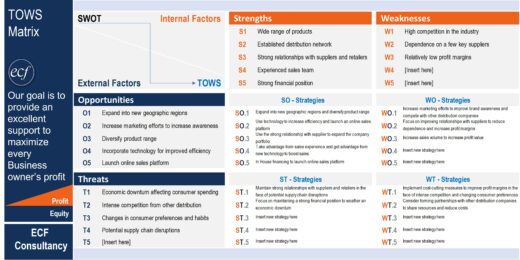
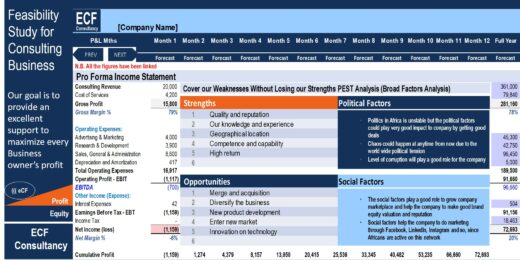
Now that you have all the information, compile it into a clear format. Many businesses use a 2×2 matrix to visualize their SWOT analysis:
| Strengths | Weaknesses |
| – List here | – List here |
| Opportunities | Threats |
| – List here | – List here |
Step 6: Developing Strategies
After compiling your SWOT analysis, it’s time to develop strategies based on what you’ve identified. Use the following approaches to create actionable steps:
- Maximize Strengths: Leverage your strengths to capitalize on opportunities.
- Minimize Weaknesses: Address weaknesses that could hinder your progress.
- Utilize Opportunities: Position your business to take advantage of external opportunities.
- Mitigate Threats: Develop plans to manage and reduce risks associated with potential threats.
Step 7: Regularly Review Your SWOT Analysis
A SWOT analysis isn’t a one-time exercise. Regularly revisit and update it to reflect changes in your business or market conditions. By doing this, you ensure that your business plan stays relevant and effective.
A SWOT analysis into your business plan can make it more robust. It not only highlights your current situation but also guides future decision-making. Take time to conduct a thorough SWOT analysis, and use it to build a stronger foundation for your business.
How SWOT Analysis Enhances Strategic Decision-Making
Understanding a business’s position is crucial for effective decision-making and strategic planning. One valuable tool that managers and entrepreneurs frequently use is SWOT analysis. This framework helps organizations pinpoint their Strengths, Weaknesses, Opportunities, and Threats. By assessing these four elements, businesses can make informed strategic decisions that drive growth and improve performance.
To effectively apply SWOT analysis, businesses begin by identifying their core strengths. These are the features and resources that give a company an advantage over its competitors. Strengths may include:
- Strong brand reputation
- Unique technology or services
- Diverse product offerings
- Skilled workforce
- Strong financial position
Recognizing these strengths is a vital first step. When a company knows what it does well, it can leverage these qualities to enhance its market position and drive customer loyalty.
Next, businesses must look at their weaknesses. These are areas where the company may be lacking compared to the competition. Identifying weaknesses is essential for improvement. Common weaknesses include:
- Poor customer service
- Lack of brand awareness
- High employee turnover
- Limited online presence
- Inadequate financial management
By recognizing these weaknesses, businesses can develop plans to strengthen their operations. This may involve investing in training programs, improving marketing strategies, or enhancing customer relations.
Opportunities present a chance to capitalize on market changes and advancements. Identifying and pursuing opportunities can help a company grow and adapt. Typical opportunities may include:
- Emerging markets
- Technological advancements
- Changes in consumer behavior
- Partnerships and collaborations
- Regulatory changes favoring the business
When businesses recognize opportunities, they can create strategies that align with current market trends. This proactive approach can lead to innovation and expanded market share.
Alongside opportunities, businesses must also analyze potential threats. These are external challenges that could hinder success. Examples of threats are:
- Increased competition
- Economic downturns
- Changing regulations
- Market volatility
- Negative publicity
By understanding these threats, companies can develop strategies to mitigate risks. For instance, they can create contingency plans or adjust pricing structures to stay competitive. This anticipation allows a business to remain agile in a shifting landscape.
Once all four areas of SWOT are assessed, the next step is to integrate the findings into the strategic planning process. This can be done through various approaches:
- Aligning strengths with opportunities: Businesses can create strategies that capitalize on their strengths to exploit opportunities. For example, a strong brand can effectively market new product lines.
- Addressing weaknesses against threats: If a weakness is likely to expose a business to threats, it is critical to create action plans. For instance, improving customer service can mitigate negative publicity.
- Resource allocation: SWOT analysis can help identify where resources should be allocated most effectively. Businesses can invest in areas that need improvement or those that promise the best return on investment.
- Strategic role of collaboration: The insights gathered from a SWOT analysis can also guide collaboration efforts both internally and externally. Understanding where strengths can complement each other can lead to powerful partnerships.
Implementing SWOT analysis enhances the overall strategic decision-making process. It ensures that leaders are not making choices in a vacuum but are instead considering all critical aspects of the business environment. By embracing a structured approach, organizations can navigate challenges more effectively, respond to changes swiftly, and make decisions grounded in a thorough understanding of their unique situations.
Utilizing SWOT analysis equips businesses with the tools necessary for strategic planning. It encourages self-reflection, uncovering not only areas for growth but also potential pitfalls. When effectively executed, this methodology not only enhances decision-making but also drives long-term success.
Identifying Strengths: What Your Business Excels At
Identifying what a business excels at is crucial for understanding its competitive edge. By pinpointing strengths, businesses can better position themselves in the marketplace. Here is a closer look at how to recognize these valuable qualities.
Understanding Strengths
Strengths are the positive attributes that give a business a competitive advantage. They can stem from various sources, including skilled personnel, unique products, effective processes, and solid customer relationships. Recognizing these strengths helps businesses leverage them for growth and improvement.
Key Areas to Evaluate
When identifying strengths, consider evaluating the following key areas:
- Resources: Assess both physical and intangible resources. These include financial reserves, technological tools, and brand reputation.
- Skills and Competencies: Look at the expertise and skills of your workforce. A talented team can drive innovation and deliver high-quality services.
- Customer Relationships: Consider the loyalty and satisfaction of your customers. Strong relationships can lead to repeat business and referrals.
- Market Position: Analyze your market presence. If you have a strong brand or a large share of a niche market, that’s a key strength.
- Operational Efficiency: Evaluate your processes for efficiency and effectiveness. Streamlined operations can lead to reduced costs and increased productivity.
How to Identify Your Strengths
Identifying strengths involves a combination of self-assessment and feedback. Here are practical steps to uncover what your business excels at:
- Conduct a SWOT Analysis: This framework helps visualize strengths alongside weaknesses, opportunities, and threats. Listing strengths in this context can clarify what sets your business apart.
- Engage Your Team: Gather insights from employees. They often have a different perspective on what the business does well.
- Solicit Customer Feedback: Ask customers about their experiences. Their input can reveal strong points you may not have considered.
- Review Performance Metrics: Analyze sales data, customer retention rates, and other relevant metrics. High performance in specific areas can highlight strengths.
Examples of Strengths
Recognizing strengths can look different for every business. Here are some examples to illustrate:
- Innovative Products: A tech company may excel due to cutting-edge products that meet customer needs.
- Exceptional Customer Service: A retail store known for its friendly and helpful staff can attract more customers.
- Strong Online Presence: An e-commerce business with an effective digital marketing strategy can reach a broader audience.
- Experienced Management Team: A company led by industry veterans likely benefits from strategic decision-making.
- Flexible Business Model: A startup that can easily adapt to market changes may perform better than competitors.
Leveraging Your Strengths
Once identified, leveraging strengths becomes essential. Here are strategies to consider:
- Market Differentiation: Use your strengths to create a unique selling proposition (USP) that attracts customers.
- Partnerships: Collaborate with other businesses that can complement your strengths and create mutual benefits.
- Product Development: Innovate and enhance existing products based on strengths to better meet customer needs.
- Training and Development: Focus on training to enhance the skills that contribute to core strengths. A skilled team can further drive success.
Identifying what your business excels at plays a vital role in its overall strategy. By comprehensively evaluating resources, skills, customer relationships, and operational efficiency, businesses can harness their strengths more effectively. This focused approach not only boosts performance but also sets the stage for sustainable growth in the highly competitive business landscape.
Recognizing Weaknesses: Areas for Improvement in Your Business
Every successful business must recognize and address its weaknesses. Identifying areas for improvement can lead to significant growth and long-term success. By openly evaluating your operations, you can develop a stronger, more resilient business model. This process doesn’t have to be difficult; it can be as straightforward as utilizing tools like SWOT analysis.
A SWOT analysis digs deep into strengths, weaknesses, opportunities, and threats that your business faces. Focusing on weaknesses is crucial, as it enables you to pinpoint specific areas that need attention. Here are some common weaknesses businesses might face:
- Inadequate Marketing Strategy: If your marketing efforts aren’t yielding results, it may be time to reassess your approach. Are you targeting the right audience? Are your methods keeping up with current trends? An outdated marketing strategy can hinder your ability to attract new customers and retain existing ones.
- Poor Financial Management: Financial issues can plague businesses of all sizes. Inaccurate bookkeeping, lack of budgeting, or insufficient cash flow management can lead to severe consequences. By ensuring your financial processes are robust, you can avoid pitfalls that negatively impact growth.
- Weak Employee Performance: Your employees are your greatest assets. If they lack motivation or training, productivity can dip significantly. Investing in employee development not only boosts morale but also enhances overall performance.
- Limited Product or Service Range: A narrow product line may limit your market share. Regularly evaluate market trends and listen to customer feedback to explore opportunities for expansion. This can open new revenue streams and strengthen your brand.
- Poor Customer Service: Exceptional customer service is essential in today’s competitive landscape. If customers encounter issues with their experience, they won’t hesitate to turn to competitors. Training your staff in effective communication and problem-solving can help turn your weaknesses into strengths.
Identifying these specific weaknesses allows you to create actionable plans for improvement. Here are some strategies to help enhance your business operations:
- Conduct Regular Assessments: Schedule regular evaluations of your business performance. This includes financial reviews, employee feedback sessions, and customer satisfaction surveys. The insights gained from these assessments can help you identify and address weaknesses promptly.
- Invest in Training: Offering employees ongoing training fosters a culture of growth and learning. Whether through workshops, online courses, or mentorship, investing in your workforce leads to improved performance and higher job satisfaction.
- Enhance Technology Use: Outdated technology can slow down operations. Evaluate your current systems and explore new tools that can streamline processes. Implementing up-to-date software can increase efficiency and accuracy.
- Focus on Customer Feedback: Actively seek and analyze customer feedback. This information is invaluable for understanding your customers’ needs and preferences. Tailor your products or services based on this feedback to foster loyalty and repeat business.
- Strengthen Online Presence: In today’s digital world, having a strong online presence is critical. Regularly update your website and social media platforms to reflect your brand and engage with your audience. This can also include search engine optimization (SEO) strategies, which will help attract more traffic to your site.
While recognizing weaknesses can be challenging, it’s an important part of growing your business. Remember, nobody’s perfect, and acknowledging these areas is the first step toward making meaningful improvements. The journey may require time and investment, but the results will ultimately enhance your competitiveness in the marketplace.
A proactive approach to recognizing weaknesses will not only help your business survive but thrive. Use the tools at your disposal, like SWOT analysis, to stay introspective and focused on improvement. By leveraging your weaknesses as opportunities for growth, you can set your business on a path to success.
Your commitment to constant improvement will distinguish your business in a crowded market. Take the time to invest in the necessary changes, and watch as you build a more effective and resilient organization.
Exploring Opportunities: Finding Growth Potential in Your Market
In today’s fast-paced business world, identifying growth potential in your market is crucial for success. Understanding where to look and how to analyze these opportunities can propel your business forward. Here are important strategies to uncover growth potential effectively.
Analyze Market Trends
Staying updated with market trends helps you recognize where your industry is headed. Regularly review industry reports, research studies, and market analyses. Focus on:
- Consumer behavior shifts
- Technological advancements
- Emerging markets
- Competitive landscape changes
By monitoring these areas, you’ll spot patterns and emerging opportunities that could benefit your business.
Utilize SWOT Analysis
A SWOT analysis is a powerful tool for assessing your business’s Strengths, Weaknesses, Opportunities, and Threats. This framework allows you to take a comprehensive look at your organization and the external market. Here’s how to apply it:
Strengths
Identify what your business does well. What unique advantages do you possess? This could include a strong brand, loyal customer base, or innovative products.
Weaknesses
Recognize areas where you fall short. This could be limited resources, poor location, or lack of expertise in certain areas.
Opportunities
Look for external factors that could favor your business. This includes market gaps, changes in regulations, or new technologies that could enhance your operations.
Threats
Assess potential challenges such as increased competition or economic downturns. Understanding these threats allows you to strategize accordingly.
Engage with Your Customers
Your customers are a wealth of information. By directly engaging with them through surveys, focus groups, or feedback forms, you can gain insight into their needs and preferences. Consider:
- What problems do they face?
- What improvements do they desire in your product or service?
- How do they perceive your brand versus competitors?
This feedback can highlight areas for growth and innovation.
Leverage Technology
Adopting the right technology can significantly impact your ability to identify growth opportunities. Use data analytics tools to analyze customer behavior and market trends. Additionally, social media platforms offer valuable insights into consumer sentiment. Consider adopting:
- Customer relationship management (CRM) systems for tracking interactions
- Social media analytics to gauge customer engagement
- Market research tools for analyzing competitors and market trends
These tools enhance your ability to make informed decisions.
Explore New Market Segments
Sometimes, the key to growth lies in reaching new audiences. Conduct market research to explore new segments that may benefit from your products or services. Think outside the box. For example:
- Can your service cater to a different demographic?
- Would your product be useful in a new geographical area?
- Are there other industries that could benefit from your expertise?
Expanding your target audience can create new revenue streams.
Network with Industry Experts
Building relationships with other professionals can offer insights you might not have considered before. Attend industry conferences, participate in forums, or join local business associations. Some benefits include:
- Learning from others’ experiences
- Sharing best practices
- Gaining access to new resources
Networking can lead to collaborations that provide growth opportunities.
Monitor Competitive Strategies
Keeping an eye on your competitors can reveal important growth opportunities. Analyze their successful strategies, product launches, and customer engagement efforts. Consider these steps:
- Identify what they are doing well.
- Find gaps in their offerings that your business can fill.
- Learn from their failures to avoid making similar mistakes.
Understanding your competition helps you position your business effectively in the market.
Finding growth potential in your market requires a multi-faceted approach. By analyzing market trends, utilizing SWOT analysis, engaging with customers, leveraging technology, exploring new markets, networking, and monitoring competitors, you’re well on your way to discovering opportunities that can elevate your business. These strategies not only inform your decisions but also enhance your capabilities to adapt and thrive in an ever-evolving market.
Understanding Threats: Safeguarding Your Business Against External Challenges
In today’s fast-paced business world, understanding external threats is crucial for any organization. These threats can arise from various sources, including economic instability, competition, regulatory changes, or technological advancements. To safeguard your business against these challenges, it’s essential to develop a structured approach, one that starts with identifying and analyzing the risks you face.
Recognizing the External Threats
Every business operates within a larger environment filled with potential threats. Here are some common external threats to consider:
- Economic Fluctuations: Changes in the economy can significantly impact consumer spending, affecting sales and profitability.
- Competitive Landscape: New players entering your market or existing competitors ramping up efforts can threaten your market share.
- Regulatory Changes: New laws or regulations can increase operational costs or restrict business practices.
- Technological Advances: Rapid advancements in technology can make products or services obsolete if businesses don’t keep up.
- Natural Disasters: Events like earthquakes or floods can disrupt operations and supply chains.
- Cybersecurity Risks: As businesses increasingly rely on technology, the threat of data breaches and cyberattacks grows.
Assessing Impact and Probability
After identifying potential threats, assess their impact and probability. This helps you prioritize which threats to address first. Consider creating a matrix to visualize this:
- High Impact & High Probability: These are your top priorities. Take immediate action to mitigate these threats.
- High Impact & Low Probability: While they may not occur often, their impact is significant. Prepare contingency plans.
- Low Impact & High Probability: These threats happen often but are manageable, so have strategies in place to handle them.
- Low Impact & Low Probability: Monitor these threats, but they don’t require immediate action.
Developing a Response Strategy
Once you’ve assessed the threats, the next step is to formulate a response strategy. Here are some effective strategies to consider:
- Diversification: Diversify your products or services to reduce reliance on a single revenue source. This can cushion your business against specific market downturns.
- Insurance: Seek appropriate insurance coverage to mitigate the impact of natural disasters or other unforeseen events.
- Business Continuity Plan: Develop a plan that outlines how to maintain operations during a crisis or disruption.
- Regular Training: Equip your team with training sessions that focus on crisis management and cybersecurity awareness.
- Regular Monitoring: Stay updated on external factors that could impact your business by conducting regular risk assessments.
Building an Agile Organization
To effectively respond to external challenges, building an agile organization is crucial. An agile business can quickly adapt to changes. Here are some ways to foster agility:
- Encourage Open Communication: Foster a culture where team members can share concerns or insights about external threats.
- Adapt Processes: Continually assess and update business processes to respond quickly to new challenges.
- Invest in Technology: Utilize technology that streamlines operations and enhances responsiveness, such as data analytics and customer relationship management systems.
- Feedback Loops: Create a system for receiving regular feedback from customers and employees, ensuring timely responses to emerging threats.
Fostering a Risk-Aware Culture
As you work to safeguard your business, fostering a risk-aware culture is integral. Here’s how to instill this mindset across your organization:
- Training: Regularly provide education on potential risks and ways to address them.
- Encouragement: Encourage employees to report potential risks or vulnerabilities without fear of negative consequences.
- Recognition: Acknowledge and reward proactive measures taken by employees that help mitigate risks.
Successfully navigating external threats requires a diligent and proactive approach. By thoroughly understanding, assessing, and responding to these challenges, businesses can create robust strategies to sustain their operations and thrive despite uncertainties.
Real-World Examples of Successful SWOT Analyses in Business Plans
SWOT analysis can be a game-changer for companies looking to craft effective business plans. By assessing Strengths, Weaknesses, Opportunities, and Threats, businesses can create strategies that capitalize on their positive attributes while addressing challenges. Let’s delve into some real-world examples to see how prominent organizations have successfully utilized SWOT analysis to shape their business strategies.
Starbucks: Leveraging Strengths
Starbucks excels by leveraging its brand image, customer loyalty, and abundant product offerings. A SWOT analysis for Starbucks reveals several strengths, including:
- Strong brand identity recognized globally
- Loyal customer base willing to pay premium prices
- Diverse product range, including food and beverages
By understanding these strengths, Starbucks has been able to create an environment focused on premium customer experiences. Moreover, they identified opportunities in expanding their global reach and entering new markets. This proactive approach has led Starbucks to establish locations in various countries, appealing to local preferences while maintaining its brand identity.
Tesla: Navigating Weaknesses and Threats
Tesla is another prime example of a brand that utilizes SWOT analysis to steer its business plan. Despite its success, Tesla faces both weaknesses and threats. Key weaknesses noted in their analysis include:
- High production costs
- Dependence on government subsidies
- Quality control issues
In response, Tesla has worked tirelessly to enhance production efficiency while also addressing quality control. Additionally, they are investing in automation technologies and in-house battery production to reduce costs. Tesla’s SWOT analysis also helped management to identify threats like increased competition in the electric vehicle market. By recognizing these threats, Tesla has responded by diversifying its product line and emphasizing software and service innovations that differentiate them from competitors.
Amazon: Capitalizing on Opportunities
SWOT analysis allows giants like Amazon to continuously refine their business plans. For example, one of the company’s main strengths is its extensive distribution network. This strength is amplified by opportunities presented by the rise in online shopping. Their SWOT analysis identifies:
- Strength: Strong logistic capabilities
- Opportunity: Growing demand for eCommerce
- Weakness: Thin profit margins in retail
- Threat: Regulatory scrutiny on data practices
In light of this analysis, Amazon has made strategic decisions like investing heavily in technology to enhance their supply chain efficiency. They are also venturing into markets beyond retail, such as cloud computing and artificial intelligence, to strengthen their revenue streams and counteract the high competition in conventional retail.
Coca-Cola: Addressing External Threats
Coca-Cola’s SWOT analysis highlights the importance of staying ahead of external threats while capitalizing on internal strengths. Recognized for its strong brand presence and extensive global distribution, Coca-Cola also faces significant threats, including:
- Health concerns regarding sugary beverages
- Intense market competition
- Economic downturns affecting consumer spending
Coca-Cola used this analysis to pivot its product offerings. They have introduced low-calorie and sugar-free options to address health concerns among consumers. By diversifying their portfolio, Coca-Cola responds to evolving customer preferences while maintaining its market leadership. This strategic adaptation assures investors and strengthens its brand reputation.
Microsoft: Adapting to Market Changes
An enduring example is Microsoft. Initially seen as a software company, Microsoft’s SWOT analysis shifted its focus to cloud computing and services. Critical insights from their SWOT analysis uncovered:
- Strength: Established reputation in software development
- Weakness: Underestimating market changes towards cloud
- Opportunity: Expansion into enterprise solutions
- Threat: Growing competition from other cloud service providers
Microsoft’s management used these insights to revamp their business plan, rapidly advancing their Azure cloud platform. By recognizing the strengths and weaknesses, they effectively created a new business vision that responds to current technological trends.
Real-world examples showcase how a SWOT analysis for business plans is not just a theoretical exercise but a practical tool that companies actively leverage. By systematically assessing their landscapes, these organizations make informed decisions that contribute to their sustained growth and adaptation in an ever-evolving market.
Conclusion
A SWOT analysis serves as a powerful tool for any business aiming to develop a solid business plan. By taking a structured approach and conducting a thorough SWOT analysis, you can gain valuable insights into your organization. This step-by-step guide equips you with a roadmap to assess your business’s internal strengths and weaknesses, as well as external opportunities and threats.
Recognizing your strengths allows you to leverage what your business excels at, which can be a significant competitive advantage. Identifying these strengths gives you a glimpse into what sets your business apart and can help you capitalize on your unique offerings. Similarly, acknowledging weaknesses is crucial. By pinpointing areas needing improvement, you can proactively address them before they turn into larger issues. This self-awareness fosters a culture of continuous improvement, making your business more resilient in the long run.
Exploring opportunities is another critical component of the SWOT analysis. By understanding market trends and consumer behaviors, businesses can seize growth potential and expand their horizons. It allows you to stay ahead of your competitors and explore new avenues for innovation.
Moreover, grasping the potential threats to your business will enable you to devise strategies to mitigate risks. Being aware of challenges—whether they stem from market changes, competition, or economic shifts—ensures you’re prepared and can adapt quickly. This proactive mindset can sometimes be the difference between thriving and merely surviving in the business landscape.
Real-world examples of successful SWOT analyses highlight the practical benefits of this framework. Companies that effectively implement SWOT analysis in their business plans often see remarkable results, reinforcing the importance of this practice in strategic decision-making. With these insights in hand, you are better equipped to craft a business plan that not only addresses current realities but positions your venture for future success. Embracing the value of a SWOT analysis sets the stage for informed, confident decision-making that will steer your business toward sustainable growth.
















You might also like:
- 10 Main Elements of a Business Plan
- Financial Planning for Small Business Owners – Taking an SBA Loan
- How to Write a Business Plan Step-by-Step
- Five Practical Tips to Help Raise Funds For Startups
- 12 Funding Sources for Businesses and Startups
- Mastering the Art of IRR Calculation: A Comprehensive Guide for Investors
- How to Write a Killer Mobile App Business Plan
- Business Plans
- Fundraising
- All Industries
- Business Consulting Services
- 10 Tips to Develop a First Class Business Valuation Report
- Building a Monthly Budget – Using Monthly Budget Templates
- Navigating the Liquidation Value of Assets
- Financial Forecasting Models by eFinancialModels
- Exploring the Benefits of a Rental Property Excel Spreadsheet
- Cash Flow Analysis in Excel
- 10-Step Financial Planning Pocket Guide
- Financial Planning
- Scenario Analysis


