0 ITEMS

How To Start Telecom Company and Thrive In A Competitive Market

Starting a telecom company involves navigating complex regulatory, technological, and market challenges.
- Understanding licensing requirements varies by region, with processing times ranging from 2 to 12 months.
- Building a resilient infrastructure requires careful planning of network design, costs, and technology choices like 5G or fiber optics.
- Securing funding through self-investment, loans, or investors depends on your business stage and risk appetite.
- Developing a competitive marketing strategy focuses on brand identity, customer acquisition, and service differentiation.
- Staying compliant with data privacy, consumer protection, and service quality regulations is crucial for long-term success.
This guide offers practical steps and insights to help you establish a strong foundation for a telecom startup.
Key Areas Covered in This Guide
This article will delve into several critical aspects vital for starting a telecom business, ensuring aspiring entrepreneurs are well-equipped to navigate the complexities of the industry. The key areas include:
- Market Landscape: Analyzing industry trends, competitors, and consumer behaviors.
- Business Plan Creation: Designing a robust business model that addresses operational and financial goals.
- Regulatory Navigation: Understanding compliance requirements and licensing necessities.
- Technological Infrastructure: Identifying the essential equipment and technology needed to operate.
- Marketing Strategies: Developing approaches to effectively reach and engage your target audience.
- Funding Sources: Exploring financing options to sustain and grow your business.
- Success Stories: Learning from successful telecom entrepreneurs and their strategies.
By addressing these key topics, the guide provides a comprehensive roadmap that can help entrepreneurs make informed decisions and set themselves up for success in a competitive industry. Understanding the intricacies of each of these areas will not only clarify your existing ideas but also enhance your market entry strategy. Through the exploration of market trends, regulatory frameworks, technological potentials, and funding options, the journey to establishing a telecom business can be navigated with greater confidence and clarity.
Understanding the Market Landscape
Before embarking on the journey of starting a telecom company, it is critical to develop a comprehensive understanding of the market landscape. This requires a thorough analysis of several key components that will shape your business strategy and offerings. Below, we detail three essential aspects: Current Trends, Competition, and Target Audience.
Current Trends
Understanding current trends in the telecom industry is crucial for positioning your business effectively. The industry is dynamic, with continual advancements that can significantly influence market conditions. In the table below, we summarize some of the most impactful trends currently shaping the telecom landscape along with their potential effects:
| Trend | Description | Potential Impact |
|---|---|---|
| 5G Technology | The rollout of fifth-generation cellular networks, offering faster speeds and lower latency. | Increased demand for high-speed mobile data services and new business models. |
| Internet of Things (IoT) | The growth of interconnected devices across homes, industries, and cities. | Emergence of new services and revenue opportunities focused on IoT solutions. |
| Cloud Services | Shifts toward cloud-based infrastructures for data storage and processing. | Increased demand for telecoms to offer integrated cloud solutions. |
| Digital Services Expansion | Growth in digital content and services, including streaming and voice-over-IP. | Need for telecoms to adapt their offerings to include bundled digital services. |
The trends highlighted in this table present significant opportunities for innovation and growth within your telecom business. By harnessing advancements in technology, you can tailor your services to meet evolving customer expectations, paving the way for competitive advantage. Engaging with these trends proactively can also help in anticipating market shifts and adjusting your strategy accordingly.
Competition
The competitive landscape is another crucial aspect to analyze. Understanding who your competitors are, their market share, and the strategies they employ provides valuable insights that can inform your own business approach. Here is a brief analysis of the major players in the telecom market:
| Company Name | Market Share (%) | Key Strategies |
|---|---|---|
| Company A | 25% | Focus on affordable pricing, with extensive coverage and bundled services. |
| Company B | 20% | Emphasis on innovative digital solutions and superior customer service. |
| Company C | 15% | Investment in advanced infrastructure, particularly fiber-optic networks. |
| Company D | 10% | Strong partnerships with content providers to bundle streaming services. |
A close examination of these competitors reveals a diverse set of strategies aimed at attracting users and capturing larger market segments. Understanding the competitive strategies can guide your approach in positioning your services innovatively to stand out in a crowded marketplace. It can also assist in identifying gaps in the current offerings, revealing unique opportunities for your telecom business.
Target Audience
Identifying and understanding your target audience is essential for the success of your telecom venture. This means going beyond demographics to uncover insights into their preferences and pain points. Below are some effective methods for conducting market segmentation analysis:
- Demographic Segmentation: Identify key demographic factors such as age, gender, income level, and education. This segmentation helps in tailoring marketing messages and offers.
- Geographic Segmentation: Analyze geographic areas to determine service reach and specific regional demands. Customers in urban areas may have different needs compared to those in rural areas.
- Behavioral Segmentation: Focus on consumer behavior patterns, such as how they use mobile services or what motivates them to switch providers. This informs product features and service enhancements.
- Persona Development: Create detailed customer personas that represent various segments of your target market. This should incorporate their preferences, challenges, and buying behavior to enable personalized marketing strategies.
Utilizing these segmentation methods enables you to gain valuable insights into your audience’s specific needs and preferences. By developing targeted marketing strategies, you can more effectively communicate the value of your offerings to potential customers. Ultimately, understanding your target market deeply sets the foundation for establishing strong customer relationships and driving customer loyalty over time.
Creating a Robust Business Plan
A well-structured business plan serves as a roadmap for your telecom venture, essential for guiding your decisions and attracting potential investors. The significance of a detailed business plan cannot be understated, as it not only outlines your goals and strategies but also helps in identifying potential challenges and opportunities. When considering how to start a telecom company, your plan should encompass several key elements, each playing a crucial role in the overall success of your business. Below are the vital components you should include, along with guidelines on how to effectively develop each part of your business plan.
Executive Summary
The executive summary provides a concise snapshot of your business concept, encapsulating your mission and objectives. This section should be clear and engaging as it sets the tone for the rest of your business plan. To craft an impactful executive summary, consider including the following:
- Business Name and Location: State your business’s name and where you plan to operate.
- Mission Statement: Describe your purpose and the core values that guide your operations.
- Objectives: Outline your short-term and long-term objectives, illustrating what you aim to achieve.
- Business Structure: Specify whether your telecom venture will be a sole proprietorship, partnership, or corporation.
Including these elements will not only provide clarity to readers, such as potential investors but also help you crystallize your ideas. A well-crafted executive summary should be compelling enough to attract interest, encouraging readers to delve deeper into your business plan.
Market Research
Conducting thorough market research is fundamental for understanding the dynamics of the telecom industry and your specific target market. This section should provide insights into the competitive landscape, customer demographics, and market trends. Here are some essential components to include:
- Industry Analysis: Summarize the current state and future trends of the telecom market, including technological advancements and regulatory factors.
- Competitive Landscape: Identify your primary competitors and analyze their strengths and weaknesses to better position your business.
- Target Customers: Describe your target audience, including their preferences, purchasing behavior, and demographics.
- Market Size and Growth Potential: Estimate market size and growth rates to showcase potential business expansion opportunities.
Effectively executing market research requires diligent analysis and data collection. Utilize surveys, industry reports, and customer interviews to gather valuable information. This data will provide valuable insights for making informed decisions about your marketing strategies and business direction.
Marketing Strategy
Your marketing strategy outlines how you will attract and retain customers in a competitive telecom environment. It is critical to articulate your plan for gaining market share through various channels and promotional activities. The following points should be addressed:
- Positioning: Define how you plan to position your telecom service in the market, including unique selling propositions.
- Marketing Channels: Identify the channels (social media, online advertising, direct marketing, etc.) you will use to reach your target audience.
- Promotional Strategies: Detail promotional activities, such as discounts, partnerships, and referral programs.
- Customer Retention: Illustrate strategies for retaining customers, including loyalty programs and excellent customer service.
A solid marketing strategy is vital for driving sales and establishing brand recognition. By carefully articulating the steps you will take to engage potential customers, you can ensure sustained growth for your telecom venture.
Financial Projections
Financial projections are a critical component of your business plan, detailing your expected revenue streams, funding sources, and growth forecasts. This section will help you assess your business’s viability and plan for long-term sustainability. Key elements to include are:
| Element | Description |
|---|---|
| Revenue Projections: | Estimate your expected sales based on market research and pricing strategies over the next few years. |
| Funding Sources: | Outline your funding strategy, including potential investors, loans, and grants. |
| Expenses: | Identify fixed and variable costs associated with running your telecom business. |
| Break-Even Analysis: | Determine when you expect to become profitable, helping you gauge financial sustainability. |
This financial information will be fundamental for both your strategic decision-making and for attracting investors. A well-structured financial projection can convey confidence in your business model and enhance your credibility among potential stakeholders.
In summary, creating a robust business plan requires a holistic approach to articulate your vision for your telecom venture clearly. By meticulously addressing each component—executive summary, market research, marketing strategy, and financial projections—you not only provide a clear path for your business but also communicate its potential to attract investments. Investing the time to develop a comprehensive plan will serve as a foundation for your success in the telecom industry.
Navigating Regulatory Requirements
Venturing into the telecom industry requires a thorough understanding of a complex regulatory landscape, which can be vastly different across various countries. Entrepreneurs must navigate these intricate frameworks to ensure compliance and legality in their operations. Failing to do so can lead to significant financial and operational setbacks. The following are essential regulatory considerations that you will need to address when starting a telecom company.
Key Regulatory Considerations
It is crucial for aspiring telecom companies to be aware of the following key regulatory aspects:
- Licensing: Obtaining the appropriate licenses is necessary to operate legally within your jurisdiction. Different regions have varying requirements for licensing in the telecom sector.
- Compliance: Understanding and adhering to regulations concerning consumer protection, service quality, data privacy, and other relevant laws is essential for maintaining compliance.
- Frequency Allocation: Securing rights to specific frequency bands is vital for effective communication services, which form the backbone of any telecom operation.
Each of these considerations plays a pivotal role in your operations and can significantly influence your business’ success. Below, we delve deeper into the licensing requirements across different regions.
Licensing Requirements by Region
| Region | Type of License Required | Estimated Processing Time |
|---|---|---|
| North America | Federal Communication Commission License | 3-6 months |
| European Union | National Regulatory Authority License | 4-8 months |
| Asia-Pacific | Telecommunications Regulatory License | 2-6 months |
| Africa | Universal Service License | 6-12 months |
This table serves as a guideline for new entrants seeking to understand the different licensing requirements in various regions. The timeframes indicated can vary based on the complexity of your application and the specific regulatory bodies involved. Careful planning is essential to navigate through these requirements smoothly.
Compliance with Local Regulations
Compliance is not just about having the right licenses; it includes adhering to various local, national, and international regulations. Below are specific compliance areas that telecom companies must focus on:
- Consumer Protection: Agencies like the Federal Trade Commission in the United States enforce regulations that protect consumers from unfair practices.
- Data Privacy: Regulations such as the General Data Protection Regulation (GDPR) in Europe prescribe stringent guidelines for handling consumer data.
- Service Quality Standards: Meeting service quality standards set by telecommunications regulatory authorities is crucial for maintaining operational legitimacy.
Understanding the specific compliance measures necessary for your targeted region can significantly enhance your organization’s credibility and reliability. Regulatory bodies are increasingly strict about enforcing compliance, so it is crucial to stay informed about any changes to laws and regulations that may affect your operations.
For comprehensive resources on telecom regulations, visiting national regulatory bodies’ websites or referring to relevant industry publications can provide invaluable information. Ensuring that your telecom enterprise adheres to the necessary regulations will not only help you avoid legal pitfalls but will also bolster your business reputation in a highly competitive market.
Building Technological Infrastructure
The success of a telecom company is largely dependent on the robustness of its technological infrastructure. This backbone comprises several critical components that require careful consideration and planning. To ensure your telecom venture thrives in a competitive landscape, here are the key elements you should focus on, along with detailed explanations to guide your decision-making processes.
Network Design
When it comes to network design, telecom companies face a pivotal decision: whether to build their own network infrastructure, lease existing equipment, or partner with established providers. Each of these choices comes with distinct advantages and challenges. Therefore, consider the following factors:
- Technology Type: Evaluate the various technologies available, such as 4G LTE, 5G, fiber optics, or satellite communications. Each technology offers different benefits in terms of speed, coverage, and cost.
- Scalability: Choose a design that accommodates future growth without requiring a complete overhaul. Look for solutions that can easily scale up or down to meet demand fluctuations.
- Operational Costs: Analyze the long-term costs associated with each option. Building a network can be capital-intensive, while leasing may offer flexibility but can accumulate ongoing expenses.
- Regulatory Compliance: Make sure your network design complies with local and national regulations, which can impact both operational capabilities and costs.
Ultimately, the decision on network design requires weighing technological capabilities against your financial resources and projected growth. A well-thought-out design can significantly affect your operational efficiency and customer satisfaction.
Decision-Making Flowchart
To assist in making an informed decision regarding your network infrastructure, consider using a flowchart that outlines your options. Below is a simplified version:
| Step | Decision Point | Action |
|---|---|---|
| 1 | What is your budget? | Analyze available funds for building or leasing |
| 2 | Is immediate launch essential? | If yes, consider leasing; if no, consider building |
| 3 | What are the anticipated customer demand trends? | Plan network capacity accordingly |
| 4 | Are there existing partnerships available? | If available, consider partnerships; otherwise, design network independently |
This flowchart can serve as a visual aid during your decision-making process. By methodically addressing each question, you can clarify the path that best suits your business needs while ensuring a strong foundation for your telecom infrastructure.
Infrastructure Investments
Infrastructure investments cover a wide range of financial commitments, including hardware, software, and ongoing maintenance. Developing a clear budget is essential in ensuring that you do not overextend your financial resources while securing the necessary technology. Below is a checklist to consider when making infrastructure investments:
- Hardware: Assess costs for servers, routers, switches, and other critical networking equipment.
- Software Licensing: Account for costs associated with telecom software, customer relationship management systems, and security software.
- Installation and Training: Include costs for installation, configuration, and the training of personnel on new systems.
- Maintenance: Set aside funds for ongoing maintenance and future upgrades to ensure system reliability.
- Contingency Fund: Allocate a portion of your budget as a contingency for unexpected expenses during implementation.
A comprehensive budget plan will not only aid in the strategic allocation of resources but also help in tracking expenses and ensuring you remain within your financial means. Successful investments made now can pave the way for future profitability.
Technology Partnerships
Forging strong technology partnerships is vital in today’s fast-evolving telecom landscape. Collaborating with technology providers can offer access to cutting-edge telecom solutions without the inherent costs and complexities of ownership. When considering partnerships, keep these points in mind:
- Shared Expertise: Leverage the technical know-how of your partners to enhance your service offerings.
- Cost-Efficient Solutions: Many partnerships offer flexible pricing structures that can alleviate upfront capital demands.
- Access to Innovations: Stay ahead of competition by utilizing the latest technologies your partners offer.
- Enhanced Customer Experiences: Integrating third-party solutions can help simplify services, improving overall customer satisfaction.
Building robust partnerships can serve as a strategic advantage in the rapidly changing telecom sector. Choose partners whose goals align with yours to create synergistic outcomes that can lead to increased customer loyalty and market presence.
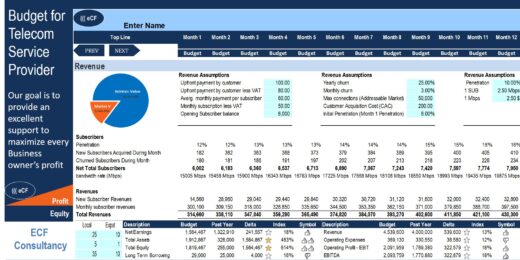
In conclusion, investing time and resources into developing a solid technological infrastructure is essential for any telecom company aiming for success. By thoughtfully considering network design, making strategic infrastructure investments, and leveraging technology partnerships, businesses can create a resilient and efficient operational foundation. For further detailed insights, you may want to explore the range of financial modeling templates available specifically for the telecom sector at eFinancialModels.com.
Strategizing Your Marketing Approach
To effectively penetrate the market, it is vital to develop a competitive marketing strategy that resonates with your target audience. An effective strategy not only enhances brand visibility but also fosters a deeper connection with potential customers. Here are some strategic components to consider:
Brand Identity
Crafting a compelling brand identity is fundamental to differentiating your business in a crowded marketplace. A strong brand communicates reliability, innovation, and a commitment to customer-centric values. In the telecom sector, successful examples include:
- T-Mobile: Known for its dynamic brand identity, T-Mobile emphasizes customer satisfaction and innovative business practices, such as no annual contracts and flexible plans.
- Apple: With its sleek branding and focus on premium, user-friendly technology, Apple has set a high standard in market expectation, and its telecom services amplify this perception.
- Verizon: Positioned as a leader in network reliability, Verizon’s branding revolves around its extensive coverage and robust infrastructure, assuring customers of dependability.
These brands showcase the importance of aligning brand identity with customer expectations and market demands. A well-defined brand identity not only aids in customer recognition but also builds loyalty and trust among existing and potential consumers.
Promotional Campaigns
Utilizing various promotional campaigns is crucial for establishing brand awareness and engaging with your target audience effectively. Different strategies yield varying effectiveness across industries. Below is a table that outlines examples of promotional campaigns along with their effectiveness based on industry reports:
| Type of Campaign | Description | Effectiveness (%) |
|---|---|---|
| Social Media Advertising | Engaging potential customers through platforms like Facebook, Instagram, and Twitter. | 75% |
| Email Marketing | Sending targeted emails to inform customers about promotions and new services. | 60% |
| Influencer Partnerships | Collaborating with social media influencers to widen outreach and engage new followers. | 68% |
| SEO Optimization | Improving website visibility through search engine optimization techniques. | 82% |
The effectiveness of these promotional campaigns highlights the necessity of employing a diversified approach to marketing. Combinations of traditional and digital tactics can achieve broader audience engagement, maximizing your marketing ROI. As trends evolve, regularly assessing the impact of various approaches will enable continuous strategic refinement.
Customer Service
Exceptional customer service serves as a cornerstone for fostering loyalty and satisfaction. Listening to and leveraging customer feedback allows businesses to consistently improve their offerings. Here are some effective strategies to enhance customer feedback utilization:
- Implement Feedback Channels: Create multiple channels (surveys, social media, chatbots) for customers to share their experiences and suggestions.
- Regularly Analyze Feedback: Monitor feedback to identify trends and areas needing improvement, ensuring insights are aggregated and assessed systematically.
- Act on Customer Suggestions: Demonstrating responsiveness by implementing viable customer suggestions reinforces their value to your business.
- Train Staff Continuously: Provide ongoing training for customer service teams to ensure they are equipped with the best practices and tools for superior service.
By implementing these strategies, businesses can create a culture of customer-centricity that enhances satisfaction along with brand loyalty. Ultimately, a brand that listens to its customers can secure a significant competitive advantage in the marketplace—leading to sustained growth and success.
Funding Your Telecom Venture
Securing funding is often one of the most formidable challenges faced by entrepreneurs venturing into the telecom industry. Understanding the array of financing options available can significantly influence the trajectory of your business. This guide outlines various funding methods, providing insights into their advantages and disadvantages. It also includes a decision-making framework that will help you evaluate the most suitable funding options based on the current stage and scale of your telecom venture.
Funding Options Overview
The following funding options can be beneficial for your telecom start-up:
- Self-funding: Using your personal savings to finance your venture while retaining complete ownership.
- Investors: Engaging angel investors or venture capitalists who are keen on innovative telecom solutions.
- Loans: Applying for traditional bank loans or governmental grants focused on supporting tech startups.
Here is a more detailed look at each option, including their respective pros and cons:
| Funding Option | Overview | Pros | Cons |
|---|---|---|---|
| Self-funding | Financing through personal savings or assets, allowing full control over business decisions. |
|
|
| Investors | Attracting investors interested in backing your telecom venture. |
|
|
| Loans | Obtaining loans from banks or specialized financial institutions. |
|
|
Choosing the right funding option requires a careful evaluation of your current financial situation, your business goals, and your comfort level with different risks. For instance, if you are just starting and have limited resources, self-funding might instill a sense of control. On the other hand, for those looking to expand quickly or innovate, investors might offer the financial backing and expertise needed. Loans can be suitable for those who have a solid business plan and forecast revenue but must be approached with caution due to the associated risks.
Decision-Making Framework
To assist you in determining the most suitable funding option, consider the following decision-making chart. This chart helps visualize which funding methods might be the best fit based on your business’s scale and stage:
| Business Stage | Funding Options |
|---|---|
| Idea Stage | Self-funding |
| Startup Stage | Investors, Loans |
| Growth Stage | Investors, Loans, Partnerships |
This chart indicates that at the idea stage, personal funding may be best to maintain total control and test concepts. As your venture grows, bringing in investors or loans might provide the necessary capital and support for expansion. Understanding this framework can facilitate better decision-making and funding strategies specific to your telecom venture’s needs.
Current funding trends in the telecom startup scene indicate a robust interest from both angel investors and venture capitalists. According to a 2022 report from the Global Venture Capital Association, investment in telecom innovations surged by 35 percent worldwide, highlighting the increasing inclination among financiers to back emerging technologies. This trend emphasizes the opportunity for entrepreneurs in this sector to attract comprehensive funding support, particularly for disruptive and innovative solutions.
Example: A Successful Entry into Telecom
Imagine a startup named “ConnectX,” which embarked on an ambitious mission to provide high-speed internet access to underserved urban neighborhoods. The founders of ConnectX recognized the pressing need for affordable broadband services and committed to addressing this gap. Through comprehensive market research, they pinpointed specific demographics that were craving better connectivity but were priced out of existing plans. This thorough data collection was critical as it underpinned their business strategy and proved instrumental in securing the necessary regional licenses, emphasizing the community’s urgent requirement for enhanced telecom services.
Timeline of ConnectX’s Journey to Success
The story of ConnectX can be articulated through key milestones that mark its progress after inception. Below is a concise timeline illustrating their journey:
| Year | Milestone | Description |
|---|---|---|
| Year 1 | Research & Planning | Market analysis to identify target demographics and identify community needs. |
| Year 2 | Funding Acquisition | Secured funding through a combination of self-investment and angel investors. |
| Year 3 | Infrastructure Development | Construction of necessary infrastructure to support high-speed internet. |
| Year 4 | Launch of Services | Introduced competitive pricing plans for broadband services. |
| Year 5 | Community Engagement | Launched customer loyalty programs, further bolstering trust and brand recognition. |
| Year 6 | Expansion | Expanded services to additional neighborhoods based on growing customer demand. |
Throughout its journey, ConnectX has experienced remarkable growth metrics. Within the first year of operation, the company successfully acquired over 1,000 customers, rapidly increasing its customer base by 200% over the next two years. By capitalizing on the community’s desire for affordable internet services, they achieved a customer acquisition rate that outpaced initial projections significantly. The customer satisfaction rate soared, building a reputation that established ConnectX as a trusted local telecom provider.
Lessons Learned from ConnectX’s Experience
ConnectX’s journey offers invaluable insights for aspiring entrepreneurs. Here are several key takeaways:
- Understand Your Market: Comprehensive market research is essential for identifying opportunities and addressing specific needs within the community.
- Build Strong Community Relationships: Engaging with the local community can facilitate trust and credibility, which are crucial for long-term success.
- Diversify Funding Sources: A combination of self-funding and investments can help mitigate financial risks while boosting growth potential.
- Focus on Customer Satisfaction: Delivering high-quality services and maintaining open communication channels can lead to loyal customers and positive word-of-mouth marketing.
- Remain Adaptable: Be prepared to adjust your business model in response to market feedback and changing conditions.
The impressive ascent of ConnectX in the telecom sector inspires budding entrepreneurs, illustrating that a foundation built on extensive research, community engagement, and adaptability can yield substantial success. By understanding and addressing the specific needs of a target market, businesses can not only flourish but also become essential contributors to the communities they serve. Such strides in entrepreneurship emphasize the importance of a strategic approach in launching a startup, especially in competitive industries like telecommunications.
Your Pathway to Success
Starting a telecommunications company can be a daunting task, but understanding the market and having a well-defined plan significantly increases your chances of success. This field is characterized by rapid technological advancement and shifting consumer needs, making it essential for entrepreneurs to remain adaptable and innovative. Here are some key considerations for establishing a solid foundation for your telecom business.
Essential Steps to Start Your Telecom Company
To guide your journey in the telecommunication industry, it is critical to outline specific actionable steps. Below is a checklist format that captures the most important elements to help you navigate through the startup process efficiently.
- Conduct Market Research: Understand current market trends, competitors, and customer needs.
- Develop a Robust Business Plan: Create a business model that outlines your value proposition and revenue streams.
- Ensure Regulatory Compliance: Understand local and national regulations that govern telecommunications.
- Establish Financial Projections: Use industry-specific financial models to estimate costs, revenues, and profits.
- Design Effective Marketing Strategies: Focus on brand positioning and customer acquisition to build your client base.
- Invest in Technology: Choose the right infrastructure and technology that aligns with your business goals.
- Hire Skilled Talent: Build a team of professionals who share the vision and can help execute the business plan.
- Monitor Performance Regularly: Employ performance metrics to track progress and make necessary adjustments.
This checklist serves as a foundational guide to help you stay organized and focused as you embark on your journey. Each item is designed to steer you toward sustainable growth. For instance, conducting thorough market research not only equips you with valuable insights, but it also allows you to make informed strategic decisions. Likewise, ensuring compliance with regulatory standards is vital as failure to do so may result in severe penalties that could undermine your startup’s viability.
Concluding Thoughts
Many aspiring entrepreneurs in the telecommunications sector have successfully navigated through these steps to establish thriving businesses. It is important to embrace challenges and remain flexible in adapting your strategies to meet evolving market demands. Remember, success will largely depend on your ability to innovate and respond to customer needs. So, take that first step towards making your telecom vision a reality, and do not hesitate to seek resources and support along the way. Encourage yourself to be persistent, as every great achievement begins with the decision to try.
FAQs About Starting a Telecom Company
1. What are the initial steps to start a telecom business?
Starting a telecom business involves a series of strategic steps that require careful planning and execution. Each step is vital in laying a strong foundation for the business and ensuring compliance with legal requirements.
- Conduct Market Research: Analyze the current market landscape, identify your target audience, and assess your competition.
- Develop a Business Plan: Create a comprehensive business plan that outlines your objectives, strategies, financial forecasts, and operational plans.
- Acquire Necessary Licenses: Research and obtain licenses and permits required to operate in the telecom industry, which may vary by location.
- Secure Funding: Explore funding options that may include investment from venture capitalists, bank loans, or angel investors.
By following these initial steps, you can set your telecom business on the path to success. Each element is interconnected, and neglecting one could impede your progress. Taking your time in the research and planning phases can ultimately save you time and resources down the line.
2. How long does it take to start a telecom company?
The timeline to launch a telecom company can vary significantly based on several factors. Generally, the process can span from a few months to several years. Here are some factors that influence the development timeline:
- Regulatory Processes: The time required to secure licenses and comply with regulatory requirements can vary greatly by region.
- Funding Acquisition: The process of securing the necessary funds, whether through loans or investors, can elongate the timeline if negotiations take longer than expected.
- Technology Deployment: The implementation of technology and infrastructure, such as network setup and system integrations, can add to the timeline.
Taking these elements into account, it is essential to have realistic expectations when planning your project timeline. Proper planning and proactive communication with stakeholders can minimize delays and help streamline the process.
3. What funding options are available for telecom startups?
Funding is often a critical component of starting a telecom venture. Various funding options are available, each with its unique advantages and considerations:
| Funding Option | Description | Points of Consideration |
|---|---|---|
| Self-Funding | Using personal savings or assets to finance the startup. | High risk if business fails; however, full control over finances. |
| Venture Capital | Obtaining investments from venture capital firms that seek high returns. | Involves sharing equity and strategic control; suitable for growth-focused startups. |
| Bank Loans | Securing loans from banks or financial institutions. | Requires good credit history; involves repayment obligations with interest. |
| Government Grants | Exploring grants available for technology or small businesses. | Non-repayable funds, but often have stringent application processes. |
Each funding option carries unique implications for your business. By understanding the different avenues, you can craft a financing strategy that aligns with your business goals and capital requirements. Diligent research and clear financial projections will bolster your case when seeking investment.
4. How can I ensure my telecom services stand out in a competitive market?
Creating a unique value proposition is essential for distinguishing your telecom services from competitors. Organizations that successfully differentiate themselves often focus on the following key areas:
- Superior Customer Service: Offer attentive, responsive support to build loyalty and trust among your customers.
- Competitive Pricing: Regularly assess your pricing models in comparison to competitors to ensure you provide attractive offers that appeal to your target audience.
- Innovative Service Offerings: Launch unique features or packages that specifically meet the needs of your customers, setting yourself apart in the market.
- Personalized Marketing: Utilize customer data to tailor marketing efforts that resonate with specific demographic segments.
By adopting these strategies, you can cultivate a loyal customer base and enhance your competitive position in the telecom landscape. Ultimately, focusing on the customer experience will lead to strong customer retention and positive brand reputation.
5. What are the typical technology deployment challenges faced in the telecom industry?
Deploying technology for a telecom company comes with its own sets of challenges. Understanding these hurdles can help you prepare effectively and implement solutions earlier in the process. Here are some common challenges:
- Infrastructure Costs: High initial costs for hardware, software, and installation can strain budgets.
- Integration Difficulties: Ensuring new systems work efficiently with existing technology can require significant adjustments.
- Regulatory Compliance: Navigating industry regulations during technology implementation can complicate timelines and processes.
Each of these challenges requires a strategic approach to mitigate risks associated with deployment. By anticipating potential obstacles and preparing actionable solutions, you will increase your chances of a smoother technology rollout during setup.
6. What strategies can I use for customer acquisition in telecom?
Acquiring customers is essential for a startup telecom company looking to establish its presence in a competitive market. Below are effective strategies you can employ:
- Leverage Social Media: Create engaging content that attracts and retains customers, facilitating organic growth through shares and referrals.
- Referral Incentives: Implement referral programs that reward existing customers for bringing in new clients.
- Partnerships: Consider partnerships with local businesses or organizations to cross-promote services and expand your reach.
- Targeted Advertising: Utilize demographic data to launch advertising campaigns that specifically target potential customers based on location and preferences.
Implementing these acquisition strategies will not only grow your customer base but can also foster stronger engagement and loyalty. Regularly evaluating their effectiveness and adjusting your approach will ensure long-term success.
7. How can I measure success in the telecom market?
To gauge the success of your telecom company, you should establish key performance indicators (KPIs) relevant to your business model. Here are several KPIs that can provide valuable insights:
- Customer Acquisition Cost (CAC): Calculate the cost associated with acquiring a new customer, which helps to evaluate the effectiveness of marketing campaigns.
- Average Revenue Per User (ARPU): This metric assesses the revenue generated on average from each user, providing insights into pricing and service effectiveness.
- Churn Rate: Measure the percentage of customers who discontinue service within a given timeframe, indicating customer satisfaction levels.
- Net Promoter Score (NPS): Gather feedback on customer satisfaction and loyalty, which helps identify potential areas for improvement.
Monitoring these KPIs will enable you to make data-driven decisions to refine your strategies. Continued analysis will guide your efforts to foster growth and maintain competitiveness in the telecom market.