
0 ITEMS

Elevate Your Skills With Dog Cafe Business Plan: A Comprehensive Tutorial
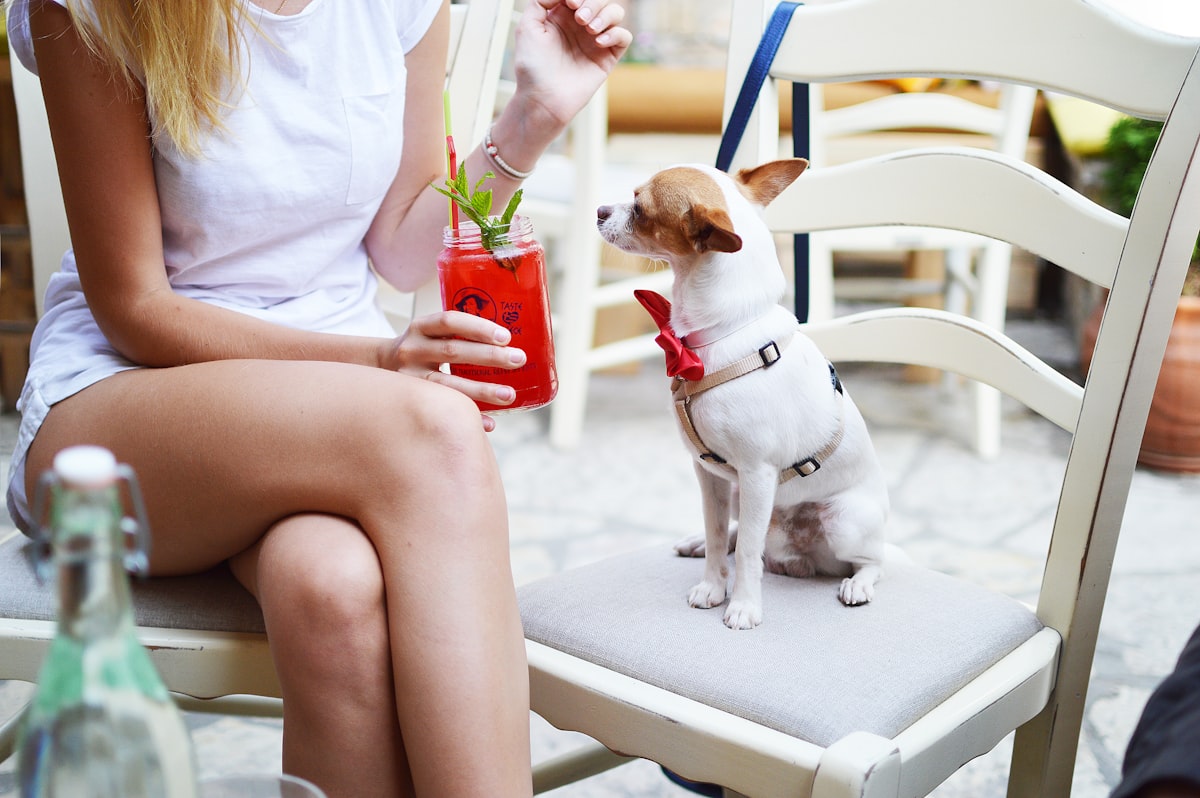
Starting a dog cafe combines a passion for animals with a unique customer experience that caters to pet lovers.
- A detailed business plan covers market research, location choice, and regulatory compliance.
- Financial projections and marketing strategies are crucial for smooth startup and growth.
- Location impacts visibility, accessibility, and adherence to local zoning laws.
- Creating a welcoming space and choosing the right licenses ensure legal and safe operations.
- An effective menu balances human favorites with dog-friendly treats and considers dietary restrictions.
These insights help you build a solid foundation for launching a successful dog cafe.
Introduction To The Dog Cafe Concept
Cafes have always been cozy spots for people to relax and sip coffee. Now imagine that with dogs! Welcome to the world where coffee meets cuddles. A dog cafe is a place for dog lovers to unwind and for dogs to socialize. It’s a business model that blends the love for coffee with the joy of interacting with dogs.
What Is A Dog Cafe?
Dog cafes are innovative spaces where customers can enjoy a drink or a meal in the company of adorable, friendly dogs. Picture this: you walk into a cafe, order your favorite latte, and settle into a comfy chair. Moments later, a furry friend trots over to greet you. It’s a unique experience that combines pet therapy with the casual vibe of a coffee shop.
Emerging Trends In Pet-centric Businesses
Let’s dive into the trends shaping pet-centric businesses today:
- Pet-friendly environments are in demand.
- People seek experiences to share with their furry pals.
- Pet wellness and happiness are top priorities.
Dog cafes harness these trends, offering an unforgettable experience for both humans and dogs. With the growing emphasis on pet-friendly spaces, dog cafes are trailblazing a new path in the cafe industry.
Benefits Of Starting A Dog Cafe
Dog cafes bring joy to people and pets alike. With a unique blend of coffee culture and pet-friendly spaces, these establishments are becoming hotspots around the globe. Starting a dog cafe isn’t just a business venture—it’s a step into a community-centric, feel-good industry. Love for furry friends unites people, making dog cafes more than just a place for a latte. They are community hubs, pet therapy spots, and innovation centers. Discover why opening a dog cafe could be a brilliant move for aspiring entrepreneurs.
Community Building Opportunities
Dog cafes serve as local gathering points. They bring people together, creating a unique social atmosphere. Patrons connect over shared interests, often leading to community growth and strong local networks. From pet adoption events to birthday parties for pooches, dog cafes boost community spirit like no other business can.
Benefits To Dog Owners
For dog owners, these cafes offer unmatched advantages. Owners sip their favorite drinks while dogs socialize and play. It’s a stress-reliever for both, reducing anxiety and increasing happiness. Dog cafes also provide a safe space for pets, away from traffic and unpredictable weather, ensuring a fun outing every time.
Potential For Diverse Revenue Streams
Dog cafes aren’t limited to selling coffee. They open doors to multiple income sources. Think beyond the cup: merchandise, pet treats, event hosting, and more. These cafes can host training sessions, partner with pet brands, and even offer grooming services. A multi-tiered approach to revenue makes dog cafes particularly appealing for potential owners eager to tap into different market segments.
Market Analysis And Research
Before diving into the dog cafe realm, solid groundwork is key. The success of your dog cafe hinges on a meticulous market analysis. This step ensures you understand your future customers. It also helps pinpoint what sets you apart. You will learn about rivals and market dynamics. This insight is crucial. Now, let’s delve into the core of market analysis and research.
Understanding Your Target Audience
Kids and adults love dogs. But who will come to your cafe? Knowing your audience is critical. Here’s what to dig into:
- Demographics: Are your customers young professionals? Families? Students?
- Preferences: Do they seek relaxation or social interaction? Maybe both?
- Spending habits: How much are they willing to splurge on dog-related fun?
Conduct surveys. Get feedback. Peek into social media trends. Align your services with their wants.
Analyzing Competitors In The Market
No business operates in a vacuum. Competitors are there. Learn from them. Look for:
- Services offered: What unique experiences do they provide?
- Pricing strategies: Are they high-end or wallet-friendly?
- Customer feedback: What do people love and loathe?
Observing competitors can spark innovation. Create a better cafe!
Identifying Opportunities And Challenges
Laying the groundwork means spotting chances and hurdles. Consider:
| Opportunities | Challenges |
|---|---|
| Untapped locations | Regulations on pets |
| Niche markets | Competition |
| Trending dog diets | Marketing costs |
This helps you prepare. Avoid pitfalls and seize the right moments.
Crafting The Ultimate Business Plan
Embarking on a dog cafe venture requires a well-crafted plan. A solid business plan acts as a roadmap, guiding entrepreneurs through each stage of establishment and growth. The journey begins with meticulous planning. Successful dog cafe owners understand that it’s more than just serving coffee and cuddles with canines.
Key Components Of The Business Plan
Create a standout business blueprint with these crucial elements:
- Executive Summary: Envision this as your business’s first impression. Include mission, vision, and the “why” of your dog cafe.
- Company Description: Lay down the specifics. Talk about what you serve, who you serve, and the unique experience you offer.
- Market Analysis: Know the territory. Identify your competitors, target audience, and industry trends.
- Organization and Management: Introduce your dream team. Detail the business structure, ownership, and staff roles.
- Services and Products: Expand on what sets you apart. Describe your cafe offerings, menu, and additional services like pet adoption.
- Marketing and Sales Strategy: Get the word out attractively and effectively. Discuss advertising, promotions, and customer engagement tactics.
Financial Projections And Funding
Your business plan’s financial section shines a spotlight on viability. Transparency is key:
- Compile a break-even analysis. Reveal when your dog cafe is expected to make profit.
- Create profit and loss forecasts. This shows potential income over a certain period.
- Consider a cash flow statement. This tracks the money in and out of the business.
- List startup costs and potential funding sources. This could include loans, savings, or investors.
Setting Short And Long-term Objectives
Aim for achievable and measurable goals. Here’s how:
| Time Frame | Objectives |
|---|---|
| Short-Term (1-12 months) | Launch a successful grand opening event. Build a base of loyal customers. Implement a monthly promotional calendar. |
| Long-Term (1-5 years) | Open additional locations in key markets. Grow revenues by 50% annually. Partner with local shelters for adoption events. |
Remember, these objectives will guide your navigation through the industry’s ups and downs. Stay focused and flexible.
Location, Location, Location
When diving into the dog cafe business, your location choice is crucial.
It’s more than just an address; it’s where your business dreams take shape.
Let’s unleash the potential of a perfect spot that welcomes paws and feet alike!
Choosing The Perfect Spot
Finding the right location sets the stage for your success. Consider these factors:
- Foot traffic: Areas with many people increase visibility.
- Accessibility: Easy access for pet owners is a must.
- Competition: Stay clear of oversaturated dog cafe zones.
- Parking: Ensure ample space for customers’ convenience.
Select a spot that aligns with your brand and goals. It defines your cafe’s character.
Zoning Laws And Regulations
Before you sign a lease, dig into local zoning laws. Make sure your dog cafe abides by:
- Health and safety: Confirm that your spot meets all health codes for pets and people.
- Permits: Understand what’s required to open your doors.
- Noise control: Be mindful of rules about barking and noise levels.
Connecting with local authorities helps navigate these waters smoothly.
Designing A Welcoming Space
Your layout speaks volumes. Create an environment that feels like a second home:
| Area | Features |
|---|---|
| Indoor | Comfy seating, clean floors, pet-friendly decor |
| Outdoor | Shaded areas, water bowls, secure fencing |
Incorporate elements that appeal to both humans and their furry friends.
Keep your atmosphere cozy and inviting. Your guests will thank you.
Essential Licenses And Permits
Setting up a dog cafe is an exciting venture. Before welcoming furry friends and their owners, ensure compliance with all legalities. Securing the right licenses and permits is crucial. This step protects your business and keeps pups and patrons safe.
Navigating Legal Requirements
Start the venture on the right foot by understanding necessary legal documents. Every region has specific requirements. Confirm with local authorities which permits apply to your business.
- Business License: The first step for setting up shop.
- Zoning Permits: Critical for location approval.
- Animal Handler’s Permit: Proof of responsible pet care.
Health And Safety Regulations
Keeping everyone safe is a priority. Adhering to health and safety standards is a must. Expect regular inspections and prepare for the following:
- Sanitation Standards: Keeps the space clean and disease-free.
- Food Handling Permits: Ensures meals for humans and dogs meet quality guidelines.
- Emergency Protocols: Plans for accidents or health issues.
Insurance For Your Dog Cafe
Insurance safeguards against unforeseen events. It’s a non-negotiable aspect of your business plan. Key insurance types include:
| Type of Insurance | Purpose |
|---|---|
| General Liability Insurance: | Covers accidents or injuries on premises. |
| Property Insurance: | Protects against damage to your cafe. |
| Worker’s Compensation: | For staff in case of work-related injuries. |
Creating A Pawsome Cafe Menu
Welcome to the heart of any dog cafe, the menu! This culinary lineup is key to delighting two-legged and four-legged customers alike. Read on to master the craft of a menu that barks perfection.
Menu Items For Human Guests
Your human patrons deserve delectable choices that cater to a variety of tastes. Think comfort food with a gourmet twist to please diverse palates.
- Appetizing Starters: Shareable plates that spark conversation.
- Main Dishes: From hearty sandwiches to refreshing salads, each dish should be an Instagrammable delight.
- Scrumptious Desserts: End the meal on a sweet note with options like homemade pies or artisanal ice cream.
- Beverages: Offer a range of coffees, teas, and smoothies, with a few signature drinks to stand out.
Dog-friendly Treats And Meals
A tail-wagging selection is crucial for the furry clients. Create a safe, enjoyable eating experience with these offerings:
| Treats | Meals |
|---|---|
| Crunchy Biscuits | Grain-Free Chicken & Veggie Mix |
| Soothing Frozen Yogurt | Balanced Beef & Brown Rice Bowl |
| Peanut Butter Delights | Healthy Fish & Sweet Potato Plate |
Considering Nutritional Needs And Allergies
Serving food responsibly means catering to specific dietary requirements. Here’s how to be inclusive:
- Gluten-Free: Clearly mark gluten-free options for sensitive guests.
- Vegan and Vegetarian: Include plant-based dishes that are flavorful and fulfilling.
- Allergy Alerts: Label items that contain common allergens, offering peace of mind.
- Dog Diet Considerations: Provide meals free from onions, garlic, and chocolate to protect pooches.
Marketing Your Dog Cafe
Welcome to the bustling world of dog cafes, where pooches and profits pair perfectly. A critical part of ensuring the success of your dog cafe boils down to one essential element: Marketing Your Dog Cafe. With furry friends in mind, let’s delve into proven strategies to get your cafe’s tail wagging in the business community.
Brand Building Strategies
Creating a strong brand is like teaching your dog a new trick; it requires consistency, patience, and a touch of creativity. Your brand’s identity should reflect the unique personality of your dog cafe, giving potential customers an instant snapshot of what they can expect. Start with a memorable logo and a catchy slogan that captures the essence of your cozy, canine-friendly environment. Use vibrant images and compelling stories to connect emotionally with your audience. This approach will turn first-time visitors into loyal customers, and eventually, brand ambassadors.
Engaging With The Community
Involvement in local community events can significantly boost your cafe’s presence. Support pet adoption drives or sponsor a dog park renovation. Host interactive workshops on pet care or collaborate with dog trainers for fun educational sessions. Such involvement shows your commitment to pet well-being and forges strong community bonds. It’s an effective way to promote your business while supporting the local pet-loving community.
- Host pet care workshops
- Sponsor local dog-themed events
- Collaborate with animal charities
Leveraging Social Media And Events
In the digital age, a snappy social media strategy is your best friend. Utilize platforms like Instagram and Facebook to share daily happenings, cute dog photos, and customer experiences. Use social media to engage in conversations, run contests, and showcase your special menu items. Plan and promote events like “Bark-B-Q” weekends or “Puppy Love” Valentine’s Day dinners. By blending social media outreach with in-house events, you promote ongoing engagement that keeps customers coming back.
- Post daily updates and cute dog content
- Interact with followers regularly
- Organize and promote themed events
Managing Operations
Running a dog cafe smoothly is like conducting an orchestra. All parts must work in sync to create a pleasant experience. A business plan is key, but managing daily operations sets the tune. Let’s explore ways to perfect your daily workflow, train staff for excellence, and keep your place clean and safe. We dive into the essentials of operational management, ensuring your dog cafe hits the high notes of efficiency and customer satisfaction.
Daily Operational Workflow
Every day in your dog cafe should start with a clear plan. Prepare a routine that ensures a smooth run.
- Opening Checklist – Assign tasks for setup, cleaning, and prepping the space.
- Feeding Schedules – Align pet meal times with quieter customer periods.
- Customer Peak Hours – Have more staff during busy times for top service.
- Inventory Checks – Monitor stock to avoid midday supply surprises.
- Health and Safety – Include pet wellness checks to reassure guests.
Staff Training And Customer Service
Your team defines the guest experience. Invest in training that empowers employees.
- Product Knowledge – Staff should know menu items and pet services well.
- Customer Interaction – Train for friendly and professional exchanges.
- Handling Pets – Teach safe and caring pet handling techniques.
- Conflict Resolution – Equip your team to solve issues swiftly and fairly.
- Emergency Protocols – Prepare staff for any health or safety incidents.
Maintaining Cleanliness And Safety
Keep your dog cafe a clean haven for people and pets alike. Follow rigorous safety standards.
| Area | Task | Frequency |
|---|---|---|
| Dining Area | Disinfect tables and seats | After each use |
| Restrooms | Stock and sanitize | Hourly |
| Play Areas | Clean toys and surfaces | Twice a day |
| Entryways | Mop floors and organize | As needed |
Regular safety checks ensure all areas are hazard-free. Well-placed signs inform of rules and zones for dogs. Training in first aid, both for people and pets, is also a must.
Looking To The Future
The future beckons for dog café entrepreneurs ready to sniff out new opportunities. A well-crafted business plan should include strategies for growth and adaptability. This will ensure your dog café remains a beloved local spot for both hounds and humans alike. Through strategic planning, your business can not only thrive today but have a blueprint for tomorrow.
Adapting To Industry Changes
The dog café industry, like any other, is subject to trends and shifts. Understanding and anticipating these movements is crucial. Stay informed on pet care advancements and customer preferences. Attend industry workshops and network with other business owners. Join forums and follow thought leaders online. Embrace new technologies and services that can enhance your dog café experience. Possible innovations might include:
- Mobile app for reservations and orders
- Dog training sessions and workshops
- Integration of smart furniture for dogs
Exploring Expansion And Franchising
Dreaming of taking your dog café to the next block or even the next city? Explore expansion and consider franchising. It’s a big leap that requires meticulous planning and resources. Conduct market research to identify new locations. Assess the demand for a dog-friendly café and the competition. Create a franchising model that maintains your brand’s ethos and quality. Document processes to ensure consistency across all outlets. Expansion could potentially include:
- Opening new branches in different neighborhoods
- Offering franchise partnerships to entrepreneurs
- Launching pop-up events in multiple cities
Reinvesting In Your Business
Reinvest profits to foster growth. Allocate a portion of your earnings back into the business. This might include:
| Area of Investment | Benefits |
|---|---|
| Quality Improvement | Higher customer satisfaction |
| Marketing | Better brand visibility |
| Staff Training | Improved service delivery |
Equip your team with advanced training. Update your café’s amenities. Consider renovating or upgrading furniture and fixtures. Don’t forget to boost marketing efforts to attract new customers and retain the loyal ones. Your investment ensures the business remains competitive and resilient.
Frequently Asked Questions
How Do I Write A Cafe Business Plan?
To write a cafe business plan, start with an executive summary. Include market analysis, pinpointing your target audience. Outline your cafe’s organization and management structure. Detail your menu and services. Finish with marketing strategies and financial projections to guide success.
What Is The Goal Of Dog Café?
The goal of a dog café is to provide a space where customers can enjoy food and beverages while socializing with dogs, promoting human-pet companionship and relaxation.
How To Start A Dog Café Business?
Research local regulations for pet businesses. Develop a business plan focusing on location, services, and cafe theme. Secure necessary permits and insurance. Design a dog-friendly and safe space. Market your café online and through community events.
How Do I Promote My Dog Café?
Create a captivating website with SEO to attract local dog lovers. Use social media platforms to showcase your café’s unique offerings. Partner with local pet businesses for cross-promotion. Host dog-friendly events to engage the community. Encourage customer reviews on popular review sites.
Conclusion
Embarking on your dog cafe venture requires a solid plan and a passion for pooches. With the strategies outlined in this guide, you now have the blueprint to success. Remember, consistency and creativity are your best friends in this industry.
So, unleash your entrepreneurial spirit, and let your dog cafe dream flourish!
















































You might also like:
- 10 Main Elements of a Business Plan
- Creating a Business Plan for your Food Truck Business
- 5 Practical Tips to Help Raise Funds For Startups
- How to Write a Business Plan Step-by-Step
- How to Prepare a Financial Feasibility Study?
- Finding a Valuation Model for Your Business
- Financial Planning for Small Business Owners – Taking an SBA Loan
- Financial Modeling for Startups and Small Businesses
- Food Truck Financial Model
- Scenario Analysis
- Tourism Project Financial Model Template
- Cafes
- 10-Step Financial Planning Checklist for Smart Executives
- Simple Budget Planner Template
- 12 Funding Sources for Businesses and Startups
- Mastering the Art of IRR Calculation: A Comprehensive Guide for Investors
- Food & Beverages
- Financial Model Templates Easy to Use
- Houseboat Rental Business Financial Model


