
0 ITEMS

Employee Performance
Evaluating employee performance is vital for understanding individual contributions to a company's goals and success. Our financial model templates offer tools to assess and track employee performance, aligning individual efforts with organizational objectives.


Plan, forecast and value a full-service events company with this…
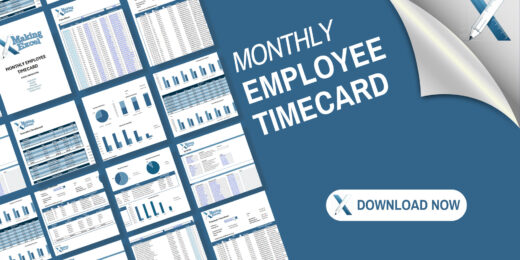

Simplify employee time tracking and client billing with our all-in-one…


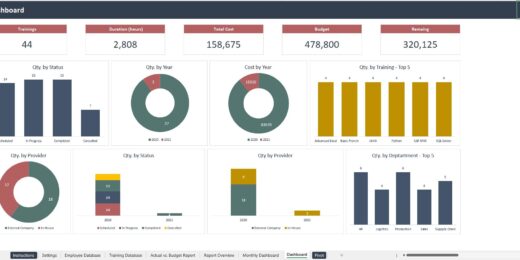

With this template, you'll gain complete visibility into your team's…
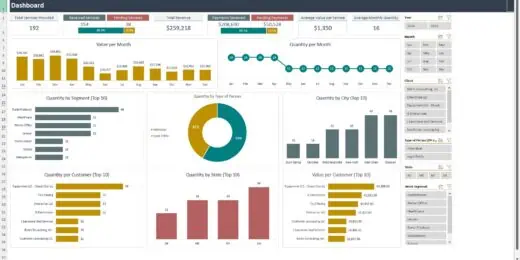
Effectively track and manage your consulting services with this structured…
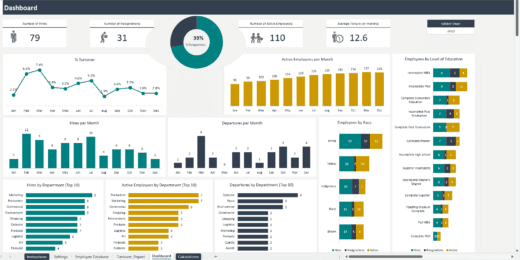
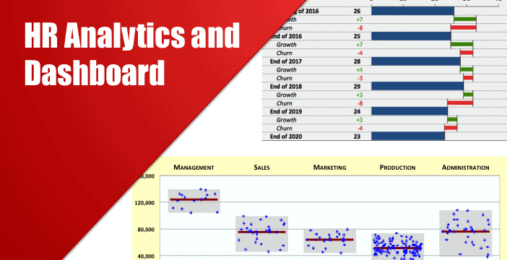
This spreadsheet is designed to calculate the company's turnover rate…





Revolutionize your business with the Complete Digital Transformation Excel Toolkit.…

Our Excel dashboard and template streamline small and medium architecture…

Tool for tracking and analyzing employee retention rates within your…

Recruitment Management Excel Template, designed to streamline recruiting processes, e.g.,…


This is a comprehensive editable, 5-year 3-statement MS Excel spreadsheet…
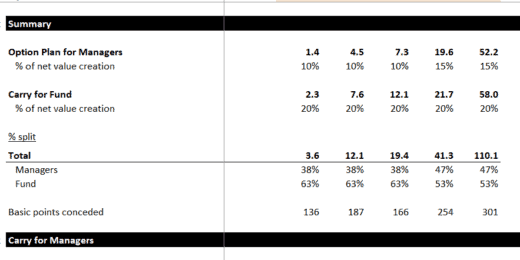

Common practice stock options plan for companies and company managers.…

This dashboard will improve the tracking of any general contracting…


Lifetime access to all future templates as well! Here is…

This is a set of financial models, tools, and templates…

Continually track and report employee time sheets in a printable…
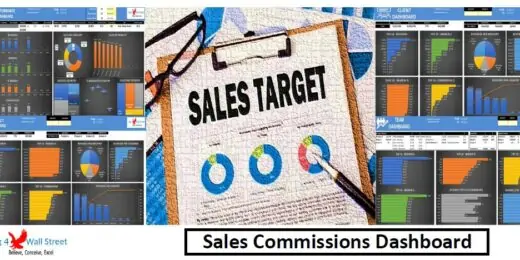


This is a stand-alone-template that is ready for data entry…




Starting a fast food restaurant without a financial plan is…

Starting a Coffee Shop without a financial plan is like…

Starting a restaurant without a financial plan is like driving…


Authorities and Responsibilities Matrices are considered important to organizations due…

This is a tool designed to help car salespeople. The…


This excel tool was designed to better analyze expected headcounts…


The Greenhouse Farming Financial Model helps users evaluate the economics…

A straight forward dashboard tool that helps any organization track…
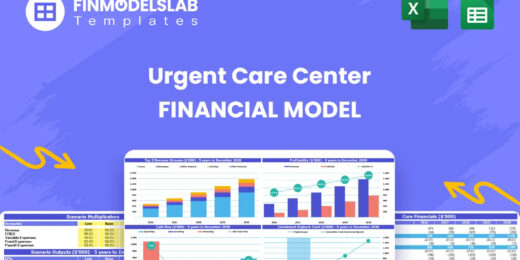
The Urgent Care Center Financial Model helps users turn a…

A 5-year financial model for starting your own consultancy firm.…
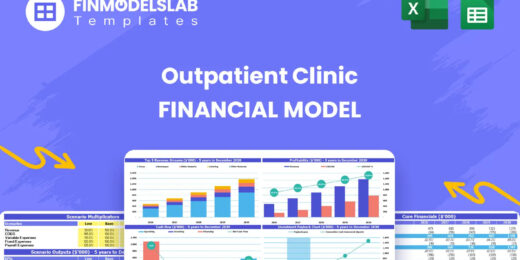
The Outpatient Clinic Financial Model helps users turn a clinic…

The Nutritionist Financial Model Financial Model Template helps turn a…

The Gynecology Clinic Financial Model Financial Model Template helps entrepreneurs,…
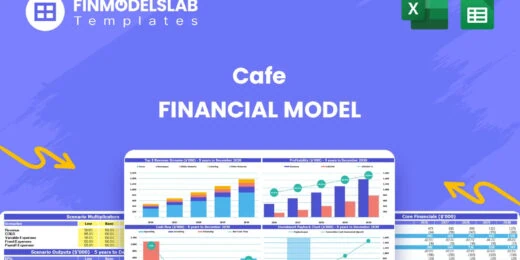
The Cafe Financial Model is a ready-to-use financial model template…

The E-Commerce Business Financial Model Template helps founders, online store…
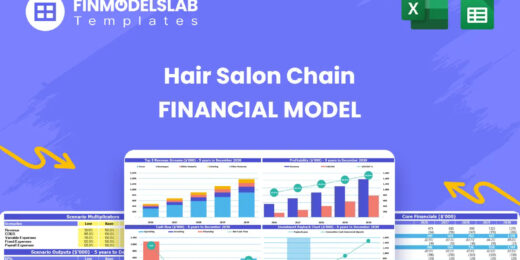
The Hair Salon Chain Financial Model helps entrepreneurs, salon owners,…
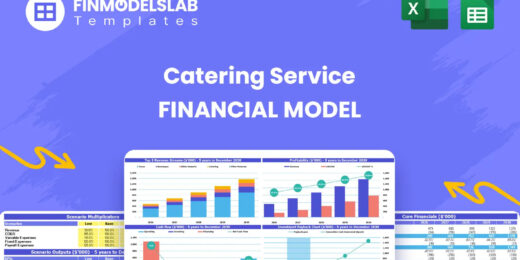
The Catering Service Financial Model helps users turn a catering…

This template is a ready-to-use KPI tracker that displays performance…



The model is driven by assumptions about the Account Executive…
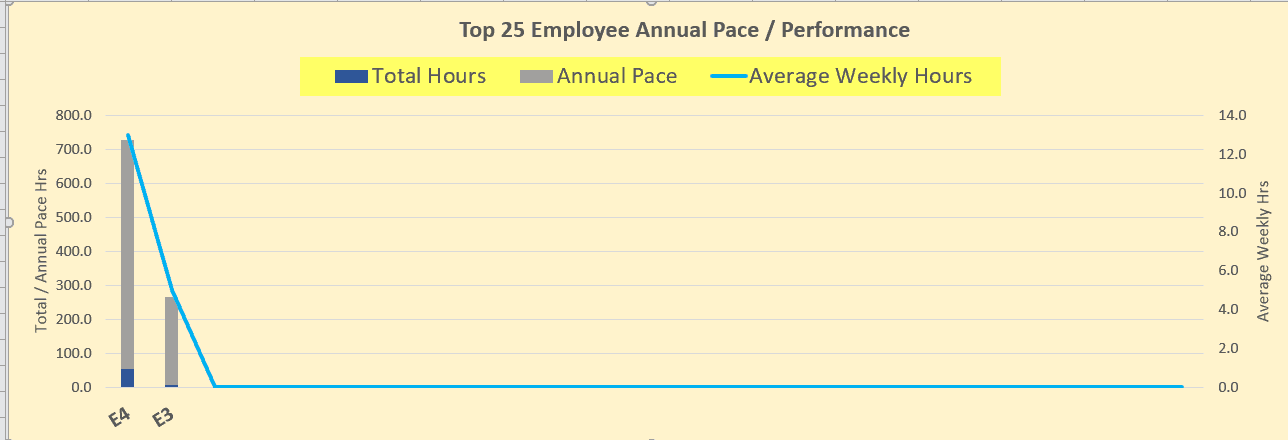
Winning Financial Plans for Enhancing Employee Performance

In today’s competitive business landscape, nurturing and enhancing employee performance is pivotal for organizational success. A well-structured financial plan can significantly bolster efforts to improve employee productivity, satisfaction, and retention. Employee performance financial planning is not merely a budgetary exercise; it is a strategic approach to align financial resources with corporate goals, ultimately driving business growth. By crafting a financial strategy centered around key performance indicators (KPIs) such as employee engagement scores, turnover rates, productivity metrics, and training return on investment (ROI), companies can effectively measure and optimize employee performance. Understanding and managing these metrics enables leaders to make informed decisions that enhance workforce capabilities while ensuring financial viability. This article delves into the core components of financial planning for employee performance, exploring how organizations can adopt and monitor industry-specific KPIs. Moreover, it highlights the advantages of using MS Excel for financial modeling and how these insights can be leveraged to yield sustainable improvements in employee performance.
Understanding the Fundamentals of Employee Performance Financial Planning
Employee performance is a multifaceted concept that entails evaluating the efficiency and productivity of employees within an organization. The importance of high performance extends beyond individual achievements, influencing the overall operational success and competitive edge of a company. Implementing effective financial planning strategies is crucial as they provide a comprehensive framework for managing the costs associated with performance-improvement initiatives. The intersection of financial planning and employee performance strategies is defined by the need to strategically allocate resources to activities that foster a high-performing work environment. Introducing financial considerations into organizational development allows companies to track and optimize spending on engagement initiatives, training programs, and performance incentives. Industry-specific KPIs serve as invaluable tools for evaluating how financial resources influence employee performance. Common KPIs include employee engagement scores, which measure the emotional commitment of employees to their organization; turnover rates, indicative of workforce retention; productivity metrics that quantify output against input costs; and training ROI, which assesses the financial return on investments made in skill development. By focusing on these KPIs within financial planning, companies can ensure that investments in human capital deliver tangible benefits.Key Performance Indicators (KPIs) to Monitor and Enhance Employee Performance
To effectively enhance employee performance through financial planning, organizations must focus on specific KPIs that are closely aligned with strategic objectives. Each KPI provides unique insights into the financial implications of managing a high-performance workforce. The following KPIs are essential for monitoring and enhancing employee performance:Employee Engagement Scores
Employee engagement scores are increasingly recognized as a critical determinant of organizational vitality. This score reflects the level of emotional investment that employees exhibit towards their work and organization. A high engagement score typically correlates with improved productivity and reduced turnover. Financial plans should account for the costs associated with engagement initiatives such as team-building activities, feedback loops, and employee recognition programs. Analyzing these costs against outcomes can help optimize spending and improve engagement metrics.Turnover Rates
Turnover rates are a significant concern for many organizations due to the high costs associated with recruiting, training, and loss of organizational know-how. Reducing turnover through effective financial planning involves budgeting for comprehensive retention strategies such as competitive compensation packages, professional development opportunities, and improved workplace culture. By quantifying the cost of turnover and aligning financial resources toward retention efforts, companies can mitigate employment disruptions.Productivity Metrics
Productivity metrics are crucial for understanding the efficiency and effectiveness of the workforce in generating output relative to input. Aligning productivity goals with financial forecasts is essential for setting realistic performance targets and assessing financial feasibility. Allocating budgets for productivity-enhancing tools or employee incentives requires careful financial modeling to predict potential ROI and align spending with expected productivity gains.Training ROI
The financial implications of training programs are critical in evaluating their viability and effectiveness. Training ROI measures the impact of learning and development initiatives against the financial investment made. By analyzing cost versus benefit, organizations can optimize training processes, ensuring that financial planning supports meaningful skill development that enhances overall performance.Financial Strategies for Implementation and Monitoring
Implementing effective financial plans for employee performance requires a structured approach to budgeting, forecasting, and monitoring. Financial plans should be crafted with the specific goal of enhancing employee performance through well-targeted investments. Creating budgets designed for employee engagement programs involves allocating resources towards activities that foster a positive work environment, boost morale, and increase commitment. Financial forecasting must be grounded in anticipated productivity gains to ensure that investment decisions are aligned with expected returns. Investment planning for the adoption of technology and tools facilitates employee performance by enabling access to resources that enhance efficiency and output. Ongoing monitoring and adjustment of financial plans are crucial to success. Implementing quarterly reviews allows organizations to assess performance against financial targets and make adjustments based on real-time data. This adaptability ensures that financial resources are continuously optimized to meet evolving performance goals.The Advantages of Using MS Excel Spreadsheet Templates for Financial Planning
MS Excel stands as a formidable tool for financial modeling, particularly in planning for employee performance. Its advantages are manifold, offering a blend of flexibility, ease of use, and robust analytical capabilities. The following are the key benefits of using Excel for financial planning:Flexibility and Customization
Excel’s templates can be tailored to suit the unique needs and metrics of any organization. This customization ensures that financial models are aligned with strategic objectives and industry-specific KPIs. eFinancialModels provides a range of Excel templates specifically designed for employee performance financial planning, tailored to meet the diverse needs of businesses across industries.User-Friendly Interfaces
The intuitive nature of Excel makes it easy to input data and generate comprehensive reports. This user-friendliness facilitates collaborative efforts in financial planning, ensuring all stakeholders can participate effectively.Robust Analytical Capabilities
Excel’s features, such as pivot tables and graphing tools, enable organizations to track performance over time and derive actionable insights. These capabilities support the ongoing analysis required to optimize financial resources for employee performance.Cost-Effectiveness
Compared to complex proprietary software, Excel offers a cost-effective solution for financial modeling. Its accessibility and affordability make it an excellent choice for organizations looking to maximize the return on their financial planning investments.Conclusion: Streamlining Financial Planning for Enhanced Employee Performance
In conclusion, the strategic integration of financial planning in employee performance initiatives is crucial for driving organizational success. By leveraging industry-specific KPIs, organizations can make data-driven decisions that optimize spending on employee engagement, retention, productivity, and training programs. Embracing tools like MS Excel for financial modeling further enhances these efforts by providing a flexible, user-friendly, and cost-effective platform for comprehensive financial planning. Organizations are encouraged to explore eFinancialModels’ sophisticated financial model spreadsheet templates to improve financial planning processes specific to the employee performance sector. Investing in these tools can lead to sustainable improvements in organizational efficiency and employee satisfaction, ensuring a competitive edge in today’s dynamic business environment.FAQ
- What is employee performance financial planning? Employee performance financial planning is a strategic process that aligns financial resources with corporate goals to measure and optimize employee performance through key performance indicators such as engagement scores, turnover rates, productivity metrics, and training ROI.
- How do industry-specific KPIs affect financial planning? Industry-specific KPIs are crucial for assessing how financial resources influence employee performance. They help quantify costs and benefits associated with employee engagement, retention, productivity, and training, ensuring investments in human capital yield tangible benefits.
- Why use MS Excel for financial modeling in employee performance planning? MS Excel is advantageous due to its flexibility, customization options, user-friendly interface, robust analytical capabilities, and cost-effectiveness, making it ideal for comprehensive financial modeling to enhance employee performance.
- How can organizations monitor the effectiveness of their financial plans? Organizations can implement structured budgeting, forecasting, and quarterly reviews to assess performance against financial targets. This allows for adjustments based on real-time data to continuously optimize financial resources for evolving performance goals.
You might also like: