
0 ITEMS

Antique Inventory Spreadsheet Demystified: Clear Explanations
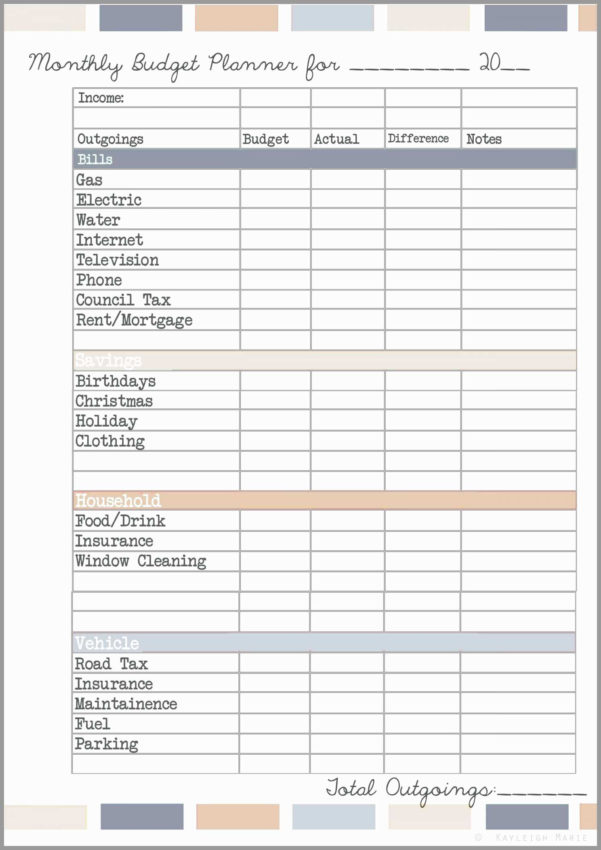
An antique inventory spreadsheet is a tool used to catalog and manage antique collections. It clarifies item details, conditions, and values for efficient tracking.
A comprehensive antique inventory spreadsheet plays a crucial role for collectors, dealers, and historians alike. With the ability to input various data fields such as acquisition date, provenance, and appraised value, this document ensures that all pertinent information is easily accessible and well-organized.
Beyond mere record-keeping, an optimized spreadsheet enhances both the management of a collection and the strategic planning for future acquisitions or sales. Embracing digital organization, antique enthusiasts can now leverage technology to safeguard their investments and maintain a clear oversight of their treasured assortments.
The Allure Of Antiques
The Allure of Antiques pulls at the heartstrings of collectors and casual admirers alike. These pieces are not simply items; they tell stories, encapsulate history, and symbolize eras long past.
Timeless Treasures
Antiques are revered as Timeless Treasures. They carry the weight of history’s narratives, allowing us to touch a part of the past. Their value is not merely monetary; it’s sentimental too. Here’s what makes these treasures so captivating:
- Aesthetic Appeal: Each antique has a unique look, one that modern replicas often fail to capture.
- Stories Behind: Every scratch and dent exposes a chapter of a bygone era.
- Craftsmanship: They showcase the artisans’ expertise from a time when handmade was the norm.
The Rarity Factor
What adds to an antique’s allure? The Rarity Factor. Rare items evoke a sense of wonder and curiosity. They make us feel part of an exclusive club.
| Rarity Aspect | Why It Matters |
|---|---|
| Limited Availability | The fewer the pieces, the more desirable the antique. |
| Age | Older pieces have a richer history and narrative to them. |
| Uniqueness | Unique features set an antique apart from typical items. |
Antique Collection Essentials
As a lover of history and craftsmanship, your antique collection is more than just a hobby; it’s a link to the past. To ensure that your cherished items are not only preserved but also properly accounted for, an antique inventory spreadsheet acts as a crucial tool. Let’s explore how to handle this treasure trove with the diligence it deserves.
Curating With Care
Careful selection is the cornerstone of building an antique collection that resonates with both historical significance and personal value. Whether you’re drawn to vintage furniture, classic artworks, or rare manuscripts, each piece should be chosen with intention.
- Research thoroughly before acquiring new pieces.
- Maintain a detailed record of each item’s origin, age, and condition.
- Organize items based on categories like era, type, or value.
With these practices, you ensure that every addition to your collection aligns with your curatorial vision and contributes to the collection’s overall narrative.
Protecting Your Investments
Collecting antiques goes beyond just accruing objects; it’s about preserving heritage. Protection and care safeguard your investment for future generations to enjoy. Here’s how to keep your collection in prime condition:
| Task | Frequency | Notes |
|---|---|---|
| Inspect for damage | Monthly | Check for new wear or deterioration. |
| Clean with caution | As needed | Use gentle, approved methods. |
| Update inventory | Biannually | Revise spreadsheet with any changes. |
Through regular maintenance and a well-kept inventory, your antiques are not just well-managed assets, but also treasures that carry stories through time.
Spreadsheets: The Organizational Backbone
Think of antique collections like a beautiful puzzle. Each piece holds value and history. To keep track of every fascinating item, collectors need the best tools. Spreadsheets are these tools. They bring order to chaos. With the right setup, managing an antique inventory becomes simpler and more efficient.
Why Go Digital?
- Instant Access: View your collection anytime, anywhere.
- Easy Updates: Change details in a few clicks. Save time.
- Search Smarter: Find pieces fast with search functions.
- Data Security: Backups keep your inventory safe.
Going digital is like having a personal assistant. It’s smart and always ready to help.
Spreadsheet Vs. Paper
Old school paper logs are cozy. They feel familiar. But spreadsheets offer more. They are the modern choice. You can sort, filter, and organize data in ways paper never could.
| Feature | Paper | Spreadsheet |
|---|---|---|
| Organization | Limited | Highly Organized |
| Searchability | Manual | Instant |
| Editability | Difficult | Easy |
| Sharing | Complex | Simple |
Choose spreadsheets for a clear view of your collection. They are the backbone of antique inventory organization. Make the switch to digital. Witness your collection management transform.
Designing Your Antique Inventory Spreadsheet
Aspiring and experienced collectors alike recognize the value in meticulously tracking their antique treasures. Constructing an efficient Antique Inventory Spreadsheet stands as the foundation to safeguarding these historical gems. This inventory serves not just as a ledger but as a comprehensive story of one’s collection. The design phase is critical. It lays out the framework to capture every significant detail of each piece.
Template Selection
Choosing the right template can jump-start your inventory management. Many templates are accessible online, free and paid. These vary in features, so selecting one that aligns with your specific needs is paramount. A good template includes fields for:
- Item Description
- Acquisition Date & Price
- Condition
- Appraisal Value
- Provenance
| Field | Importance |
|---|---|
| Description | Captures the essence of the item |
| Date & Price | Tracks investment value |
| Condition | Notes the item’s state |
| Appraisal | Estimates current worth |
| Provenance | Details item history |
Customization Techniques
While templates provide a robust starting point, tailoring your spreadsheet ensures it fully encapsulates the quirks of your collection. Customization allows you to track information that is not only essential but also unique to your antiques.
Excel offers customization options, like:
- Adding new columns for specific details.
- Implementing dropdown lists for consistent data entry.
- Using conditional formatting to highlight key information.
- Creating pivot tables for advanced data analysis.
- Incorporating photos or links to certificates.
YouTube tutorials can be incredible resources for learning these techniques. Community forums are also places where you can seek advice. By customizing your template, you craft a system that speaks directly to the narrative and worth of your collection.
Key Components Of An Effective Inventory
An antique inventory spreadsheet is vital for organization. Track precious items easily with key components. These ensure nothing slips through the cracks. Let’s explore what each section should entail.
Item Details
Every item in an antique collection has a story. Item details create that story with essential information. This section should include:
- Name of the item: Know each piece.
- Category: Group similar items.
- Date acquired: Keep purchase timelines clear.
- Price paid: Monitor investment values.
- Dimensions: Understand space requirements.
These specifics help you manage your collection effectively.
Condition & Valuation
The condition and valuation of each antique are crucial. This section highlights:
| Condition | Value |
|---|---|
| Mint through poor | Appraised worth |
Keep this updated. The value of antiques changes over time. An item’s condition can also change.
Provenance Tracking
Provenance tracking proves authenticity. Track an item’s history. Include:
- Previous owners: Offers legitimacy.
- Origin story: Connects to its past.
- Documentation: Certificates, receipts, and more.
Good records support an item’s value. They tell a tale. They connect us to history. They’re key to a collection’s intrigue.
Utilizing Advanced Spreadsheet Features
Mastering the use of advanced features in antique inventory spreadsheets can transform your cataloging experience. Advanced features streamline data management and analysis, making it easier for antique collectors and dealers to maintain an organized record of their treasures. Let’s explore how these sophisticated tools can upgrade your inventory management game.
Automated Calculations
One of the most powerful features of your spreadsheet software is automated calculations. This function allows you to instantly update financial totals or quantities without manual input. Imagine the ease of having your spreadsheet:
- Update total values when new items are added.
- Calculate profit margins with preset formulas.
- Show sales tax with a single click.
Filtering And Sorting
With filtering and sorting capabilities, you can organize your inventory by various criteria. This feature is incredibly helpful when searching for items based on:
- Age
- Condition
- Price range
The sorted data allows for quick decision-making, creating a smooth and efficient workflow.
Visual Aids
Spreadsheets not only store data but also present it visually. Visual aids like charts and graphs can be produced with ease. These visual representations help in:
- Analyzing sales trends over time.
- Identifying the most valuable items at a glance.
- Comparing inventory categories effectively.
Using these tools, you gain a better understanding of your collection’s dynamics.
Data Entry: Tips For Consistency
Keeping an antique inventory accurate demands consistency in data entry. Proper techniques ensure every item is easy to find and track. From the precise description to the condition and acquisition sources, each detail plays a critical part in managing a valuable collection. Here’s how you can master the meticulous process of data entry with tips for maintaining consistency in your antique inventory spreadsheet.
Uniform Formatting
Uniform formatting is essential for clarity and uniformity. It includes:
- Date formats: Stick to a single format like ‘MM/DD/YYYY’.
- Capitalization rules: Decide if titles should be in Title Case, UPPER CASE, or lower case.
- Numerical data: Use consistent units and separators (e.g., 1,000.00).
Consider creating a guide to help keep entries standard. This can include examples of the correct format for different fields.
Regular Updates
To avoid backlogs, make frequent updates a routine. This can include:
- Setting aside time weekly to add new acquisitions.
- Updating condition reports post-conservation work.
- Revising the provenance information when new data emerges.
Set reminders to prompt regular inventory reviews, ensuring the latest information is always reflected.
By implementing these tips, your antique inventory spreadsheet will transform into a reliable resource for managing your collection.
Security Measures For Digital Records
Securing digital records is crucial in managing an antique inventory spreadsheet. This protection ensures the safety and longevity of the value-rich information documented. Let’s explore pivotal security measures for keeping these records safe and intact.
Backup Strategies
Guaranteeing record safety starts with reliable backup strategies. Continuous backups prevent data loss from system crashes or accidental deletions.
- Regularly Scheduled Backups: Set automated, periodic backups to create consistent data copies.
- Cloud Storage: Utilize cloud services for secure and accessible off-site storage options.
- External Hard Drives: Keep physical data copies on external drives for an extra layer of security.
Access Control
Control who has access to your antique inventory spreadsheet. This step is key to preventing unauthorized data manipulation or breaches.
- User Authentication: Implement strong login credentials. Use complex passwords and multi-factor authentication.
- Strict Permission Levels: Define user roles. Grant access based on necessity, restricting sensitive data exposure.
- Audit Logs: Maintain records of who accessed the data, including timestamps and modifications, for tracking and review.
Leveraging Your Inventory For Growth
Antique collectors and dealers know the value of a well-documented inventory. It is not just a list of items but a powerful tool for business growth. Understanding the ins and outs of an Antique Inventory Spreadsheet can unlock potential you never knew existed.
Insightful Analysis
An effective spreadsheet helps you dig deep into your collection. It gives actionable insights. See what’s profitable and what’s not. This knowledge helps make smarter decisions. You get to focus on items that promise the best return on investment (ROI).
- Track sales and trends to predict future demand
- Analyze expenses against revenues to gauge profitability
- Identify high performers and allocate resources accordingly
Strategic Acquisitions
Your inventory spreadsheet is a guide to buying new pieces. It shows gaps in your collection. It tells you what’s resonating with your audience. Use this information to make informed acquisition choices. This strategic approach fosters growth and ensures long-term success.
| Item Type | Current Inventory | Audience Interest | Action |
|---|---|---|---|
| Victorian Lamps | Low | High | Acquire More |
| Art Deco Posters | High | Low | Slow Acquisition |
With a well-managed Antique Inventory Spreadsheet, you are not just surviving in the market, you’re thriving. Your inventory becomes your roadmap to a sustainable and profitable future.
From Spreadsheet To Showcase
Antique lovers and collectors, take your inventory from a simple spreadsheet to a dynamic showcase. Transform data into stories and share your treasured collection with the world. Learn how with clear explanations here.
Crafting Narratives
A great antique has a rich history. Detail these tales in your inventory spreadsheet. Bring each piece to life with captivating stories. Here’s how:
- Item Origin: Describe where and when you found each antique.
- Historical Significance: Mention the era it’s from and its impact.
- Physical Details: Note unique features and condition.
- Personal Connection: Explain why it’s special to you.
Sharing Your Collection
Spread the joy of your antiques online. Make a digital exhibit to share with others. Use these pointers to showcase your collection beautifully:
- Convert your spreadsheet into a visually stunning gallery.
- Use high-quality images to highlight each piece.
- Create an interactive platform for visitors to explore.
- Include your crafted narratives for a personal touch.
Frequently Asked Questions
What Is An Antique Inventory Spreadsheet?
An Antique Inventory Spreadsheet is a digital tool used for cataloging, organizing, and managing data concerning antique collections. It typically includes details like item descriptions, provenance, purchase dates, and values, streamlining inventory tracking for collectors and dealers.
How To Create An Antique Inventory Spreadsheet?
To create an Antique Inventory Spreadsheet, start with a template or build a custom spreadsheet using software like Microsoft Excel. Include columns for item names, categories, conditions, acquisition details, and appraised values. Regularly update it to maintain an accurate record of your antiques.
Why Use A Spreadsheet For Antique Inventory?
Using a Spreadsheet for Antique Inventory allows for efficient management of large collections. It facilitates easy updates, sorting of items, tracking of values over time, and provides a quick reference for insurance or estate planning purposes.
What Fields To Include In An Antique Spreadsheet?
An Antique Spreadsheet should include fields such as item name, description, category, date of acquisition, purchase price, current valuation, condition, and any notable history or provenance to ensure comprehensive record-keeping.
Conclusion
Organizing your antiques just got easier. This guide has unraveled the mystery behind antique inventory spreadsheets, from basics to advanced tips for precise tracking. Embrace this tool, elevate your inventory management, and protect the legacy of your cherished collectibles. Ready to transform your antique management?
Start with your spreadsheet today!









































You might also like:
- 10 Main Elements of a Business Plan
- 10 Tips to Develop a First Class Business Valuation Report
- 10-Step Financial Planning Checklist for Smart Executives
- 5 Best Practices for Managing Days Receivables
- 5 Practical Tips to Help Raise Funds For Startups
- Financial Planning for Small Business Owners – Taking an SBA Loan
- Financial Statements – Definition, Uses, Contents and Templates
- Financial Modeling for Startups and Small Businesses
- Cash Flow Analysis in Excel
- Understanding the Debt Service Coverage Ratio: An Essential Metric for Financial Analysis
- Financial Modelling PDF Examples
- Real Estate Financial Modeling in Excel
- Financial Model Templates Easy to Use
- Business Consulting Services
- Agriculture
- Financial Planning
- 10-year Financial Projections
- Budgeting
- Financial Ratios Cheat Sheet
- Investment


