0 ITEMS

The Federal Reserve Board: A Guide to Financial Security
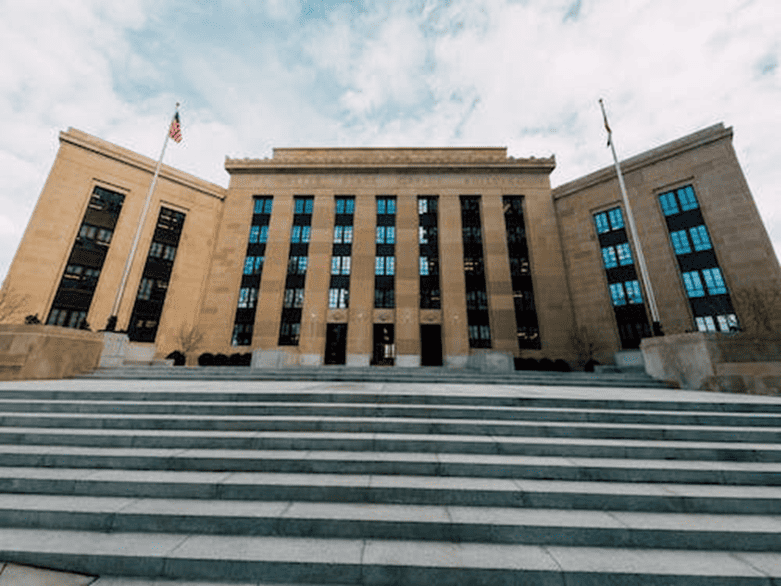
While most people know the Federal Reserve Board, its true purpose and functions are still a mystery to many. The Federal Reserve Board is responsible for steering the country’s economy toward growth while also regulating the banking system to prevent fraud and protect the interests of regular citizens.
This post explores what sets the Federal Reserve Board apart and how its decisions impact the average person. So buckle up, and let’s dive into the fascinating world of the Federal Reserve Board!
What is the Federal Reserve Board?
Before we start discussing the role and functions of the Federal Reserve Board, let’s get an idea of what it exactly is. What is the Federal Reserve Board? The Federal Reserve Board is the central banking system of the United States. It was created by Congress in 1913 to provide a stable monetary and financial system for the country. It was established after financial panic in the late 19th and early 20th centuries. Its creation was prompted by the need for the U.S. government to have a central bank that could provide stability and liquidity to the economy during financial stress.
Structure of the Federal Reserve System
The Federal Reserve System has 12 regional banks that serve different geographical areas of the country. These regional banks operate under the oversight of a Board of Governors, which is located in Washington, D.C. The Board comprises seven members, appointed by the President of the United States and confirmed by the Senate.
Functions of the Federal Reserve Board
The Federal Reserve Board has three main functions.
- It implements monetary policy, first and foremost, to encourage maximum employment, stable prices, and moderate long-term interest rates.
- Secondly, it supervises and regulates banks to ensure the safety and soundness of the U.S. financial system.
- Lastly, it provides financial services to the U.S. government.
Overall, the Federal Reserve Board is responsible for maintaining the stability and health of the U.S. economy. Its decisions impact everything from interest rates to the availability of credit. It’s no wonder it’s known as the most powerful economic institution in the world.
Monetary Policy
Monetary policy is how the Federal Reserve manages the money supply to achieve certain goals.
One of the primary tools of monetary policy is adjusting the federal funds rate. It is the interest rate at which banks can borrow and lend reserves to one another. When the Fed wants to stimulate the economy, it may lower the federal funds rate to encourage banks to lend more money and spur spending. Conversely, the Fed may raise the rate to slow down inflation.
Another monetary policy tool is the discount rate, which is the rate at which banks can borrow from the Federal Reserve. When the Fed raises the discount rate, it becomes more expensive for banks to borrow money from the Fed. It often leads banks to raise the interest rates they charge their customers, making borrowing more expensive for businesses and consumers. Higher borrowing costs can lead to decreased consumer spending and business investment.
In addition, the Fed can also use Open Market Operations to buy or sell treasury securities in the market. It can increase or decrease the money supply respectively. The Fed buys government securities, such as Treasury bonds, from banks and other financial institutions to increase the money supply. To decrease the money supply, the Fed sells government securities. By adjusting the money supply, the Fed can influence the overall price level in the economy to counteract economic downturns or overheating.
The actions taken by the Federal Reserve through monetary policy can have a significant impact on the economy. It can affect interest rates on mortgages and loans and the rates of return on savings accounts. Monetary policy can also have an impact on inflation and employment levels. Hence, it is crucial to make sure that the Federal Reserve makes decisions that benefit the economy while also being mindful of potential negative effects.
Regulatory Role of the Federal Reserve Board
Regulating the banks is crucial to the Federal Reserve Board’s responsibilities. Its overall goal is to maintain a stable financial system by implementing regulations that promote the safety and soundness of individual banks and the banking system as a whole.
The Federal Reserve Board regulates banks in several ways to achieve this goal.
- It supervises and examines banks to ensure they operate safely and soundly.
- It also sets capital requirements, which specify how much money banks must hold in reserve to cover potential losses.
- The board also sets rules regarding lending practices and prevents discriminatory lending practices.
- In addition, the Federal Reserve Board oversees the entire payment system of the United States, including electronic payments, checks, and wire transfers. Ensuring these systems are safe and efficient is key to regulating the banking system.
Critics of the Federal Reserve Board argue that its regulations often favor larger banks at the expense of smaller ones. They also contend that the board’s lack of transparency makes it difficult to understand how its decisions are made. The Federal Reserve Board’s regulatory role is essential in maintaining a stable financial system. While critics might question some of its decisions, it remains a crucial part of the American economy.
Final Thoughts
In summary, the Federal Reserve Board serves as the central bank of the United States, responsible for regulating the country’s monetary policy and overseeing the banking industry. Its decisions impact individuals through interest rate changes and savings. While it has faced criticism over the years, the Federal Reserve Board plays a crucial role in the country’s economy.