
0 ITEMS

Supply
In financial modeling, supply can refer to the availability of goods or services in the market, which can impact pricing, sales, and profitability. Our financial model templates include tools to analyze supply factors, aiding in market analysis and strategic planning.


Elevate Your Hotel Management: Streamlined Booking and Availability Tracking.

Our Supply Chain Management Dashboard is a comprehensive tool that…


This Excel model is a highly adaptable and user-friendly tool…

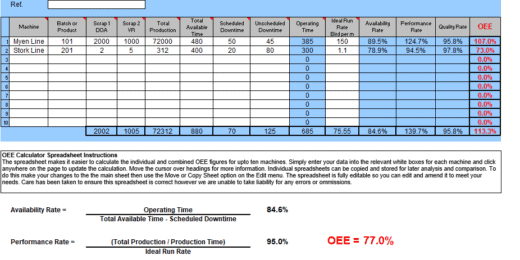

What Is Overall Equipment Effectiveness (OEE)? Overall equipment effectiveness (OEE)…


Financial Model providing a dynamic up to 10-year financial forecast…


A high quality tender template with tips and guidance on…

Financial Model providing a dynamic up to 10-year financial forecast…


This is a 5-year monthly and annual financial model that…



This is a useful tool for anyone managing inventory purchasing.…
Effective Financial Planning for Enhanced Supply Chain Success

In the dynamic world of supply chain management, effective financial planning is akin to the backbone of operational success. Today's supply chains are not just complex networks; they are intricate ecosystems where every entity must work in harmony. From raw material suppliers to end-product retailers, each link in the chain relies heavily on strategic financial insights to optimize performance and ensure profitability. As markets become increasingly volatile and consumer demands shift rapidly, businesses are compelled to leverage advanced financial planning techniques to stay ahead. This article delves into the pivotal role financial planning plays in enhancing supply chain efficiency and explores how utilizing Excel spreadsheet templates can drive strategic success in this critical area.
Understanding the Supply Chain Landscape
The supply chain industry, characterized by its vast and multifaceted operations, involves a labyrinth of processes and players. It comprises suppliers, manufacturers, distributors, and retailers, each essential to delivering products to consumers. This interdependence is crucial—suppliers need to provide raw materials on time, manufacturers must produce goods efficiently, distributors are tasked with ensuring timely delivery, and retailers rely on getting products to customers swiftly. Any disruption at one point in this chain can cascade, leading to delays, increased costs, and ultimately, dissatisfied customers. Financial planning in supply chain operations is not just about maintaining budgets; it's about optimizing every component of the supply chain to achieve cost efficiency and operational effectiveness.
With sound financial planning, businesses can better anticipate and react to market changes, manage risks, and allocate resources strategically. This proactive approach helps in identifying potential bottlenecks, reducing waste, and improving service levels across the board. For those interested in enhancing their financial strategies, our financial model templates can be incredibly valuable.
Key Performance Indicators for Financial Planning in Supply Chains
Measuring success through specific Key Performance Indicators (KPIs) is vital in understanding and enhancing supply chain efficiency. Each KPI provides insights into various aspects of supply chain operations, shedding light on areas that need improvement. The following KPIs are essential:
- Inventory Turnover Ratio: This KPI measures the rate at which inventory is used and replaced over a period. A high turnover indicates efficient inventory management, reducing holding costs and the risk of obsolescence.
- Order Fulfillment Cycle Time: This metric reflects the speed at which orders move through the supply chain from receipt to delivery. Shorter cycle times suggest a responsive supply chain, imperative for maintaining customer satisfaction.
- Supply Chain Cost as a Percentage of Sales: Evaluating this KPI helps businesses understand their supply chain expenses relative to total sales, crucial for budgeting and cost management.
- Days Payable Outstanding (DPO): This measures how well a company manages its short-term liabilities, providing insights into operational efficiency and financial health.
- Perfect Order Rate: This KPI indicates the percentage of orders delivered on time and without errors, showcasing the reliability and effectiveness of supply chain processes.
By monitoring these KPIs, businesses gain a clearer picture of their financial health and operational efficiency. This data-driven approach enables better strategic decisions and optimizes supply chain performance, ensuring success in the long run. Understanding financial metrics, such as those detailed in our comprehensive financial ratio analysis guide, can significantly improve planning.
Financial Planning Techniques Specific to Supply Chain Management
Advanced financial planning practices tailored to supply chain management are essential for navigating uncertainties and enhancing efficiency. The following techniques are integral:
- Demand Forecasting: By analyzing historical data and market trends, businesses can predict future demand accurately, ensuring optimal inventory levels and preventing stockouts or overstock situations.
- Sensitivity Analysis: This technique helps assess the impact of various factors like market fluctuations or supplier reliability on financial outcomes, enabling businesses to make informed decisions and mitigate risks.
- Scenario Planning: Developing best-case, worst-case, and most-likely scenarios equips businesses to prepare for uncertainties, ensuring resilience and adaptability in volatile markets.
Integral to these techniques is robust cash flow analysis, which helps manage supplier relationships and operational costs effectively. Understanding financial flows ensures businesses maintain liquidity, negotiate better terms with suppliers, and invest strategically in operational improvements. Accurate forecasting is essential for businesses, often achieved through tools like cash flow projection templates.
The Advantage of Using Excel Spreadsheet Templates in Financial Planning
Microsoft Excel, a staple tool in financial modeling, offers a multitude of benefits for supply chain financial planning. Its versatility and customization options make it an invaluable asset for businesses aiming to enhance their financial processes.
- Flexibility and Customization: Excel allows businesses to tailor templates to fit specific needs, adapting to unique business models and requirements seamlessly.
- User-Friendly Interface: Even users without extensive financial expertise can navigate Excel efficiently, creating effective financial plans with ease.
- Built-in Functions and Formulas: Excel simplifies complex calculations, enhancing accuracy in forecasting and financial analysis, crucial for sound decision-making.
- Visual Data Representation: With charts and graphs, Excel transforms raw data into visually compelling insights, aiding in clear and concise presentations to stakeholders.
For instance, Excel templates designed for inventory management or budgeting can streamline processes by automating data inputs and calculations, allowing businesses to focus on strategic planning and decision-making.
Conclusion: Elevate Supply Chain Strategy with Financial Models
In conclusion, thorough financial planning is indispensable for supply chain success. By utilizing relevant KPIs, businesses can gauge operational efficiency and financial health, setting the stage for informed decision-making and strategic improvements. Excel spreadsheet templates from eFinancialModels further streamline this process, offering businesses the tools needed to refine their supply chain strategies and achieve superior operational efficiency.
For those looking to elevate their supply chain planning efforts, exploring and implementing financial modeling templates from eFinancialModels can lead to enhanced strategic success and operational efficiency. Investing in these templates not only simplifies complex financial tasks but also empowers businesses to navigate the ever-evolving supply chain landscape with confidence and agility.
Frequently Asked Questions about Financial Planning in Supply Chain Management
- What is the importance of financial planning in supply chain management?
Financial planning is crucial for optimizing each aspect of the supply chain to ensure cost efficiency, anticipate market changes, manage risks, and strategically allocate resources. - Which KPIs are essential for evaluating supply chain performance?
Key KPIs include Inventory Turnover Ratio, Order Fulfillment Cycle Time, Supply Chain Cost as a Percentage of Sales, Days Payable Outstanding (DPO), and Perfect Order Rate. - How can businesses use Excel spreadsheets in financial planning?
Excel offers flexibility, user-friendly interfaces, built-in functions, and visual data representation to enable effective financial planning and enhance decision-making processes. - What are some advanced financial planning techniques for supply chains?
Demand Forecasting, Sensitivity Analysis, and Scenario Planning are essential techniques for navigating market uncertainties and enhancing supply chain efficiency.