
0 ITEMS

Goodwill
Goodwill is an intangible asset that represents the value of a company's brand, customer relationships, reputation, and other non-physical factors. It's often considered during mergers and acquisitions. We provide financial model templates that help you calculate and analyze goodwill, aiding in business valuation and transaction planning.


Professional Goodwill Valuation & Impairment Model bundle by PDMM, built…


Investment-banking style M&A merger model built for fast deal screening…

Comprehensive Excel model for goodwill testing, CGU-level DCFs, and impairment…


Highly Dynamic and Easy-to-Navigate Excel Financial Projections Model that allows…

Advanced, Dynamic and Easy-to-Use Excel Financial Projections Model that allows…


Empower your EdTech startup with our comprehensive Edtech Financial Model,…

Unlock the potential of your restaurant business with our comprehensive…


This is a professional financial model which performs a thorough…


Comprehensive three financial statements model (Income Statement, Balance Sheet, and…


An integrated and comprehensive Blue Ammonia Production Plant Model that…


Introducing the Padel Court and Club Financial Forecasting Model, a…

This Coffee Shop 10-year Financial Model also has a Business…


User-friendly financial model to project and analyse the financial outcomes…

This Grocery Store 10-year Financial and Business Model also contains…


The objective of this model template is to provide users…

This provides an LBO (Leveraged Buyout) real case study model.
This model is extremely useful for M&A acquirers to test…

This is a simple excel explanation model of Purchase Price…

This Moneylending ( FINANCIERS) 20-year Business Model will allow for…


Advanced Financial Model presenting a potential acquisition of a public…

Advanced Financial Model presenting a potential Merger & Acquisition (M&A)…

Automated Financial Ratios, Liquidity Ratios, Leverage Ratios, Efficiency Ratios, Profitability…
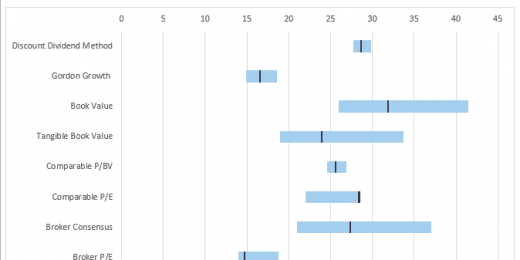



Merger and Acquisition Model template consists of an excel model…




Goodwill impairment is a charge that companies record when goodwill's…
Financial Planning Insights for Thriving Goodwill Operations

In today’s rapidly changing economic landscape, nonprofit organizations are increasingly recognizing the need for robust financial planning. This is especially true for operations like Goodwill, where the symbiotic relationship between mission-driven goals and financial stability is crucial. Goodwill Industries, known for its far-reaching social impact, thrives on the unique business model of operating thrift stores to fund initiatives aimed at providing job training, employment placement services, and other community-based programs. Understanding the financial intricacies behind such operations can provide valuable insights into maintaining both the fiscal health and social mission of these organizations.
Goodwill operates within a distinctive financial ecosystem, relying heavily on the goodwill of communities through donations and volunteer work, alongside its methodical thrift store operations. However, they face challenges such as fluctuating donations and volunteer engagement levels, which directly impact their operational revenues. Addressing these challenges through strategic financial planning not only ensures sustainability but also fortifies their competitive position against for-profit retailers in the thrift market. This article explores financial planning insights essential for optimizing Goodwill's operations, focusing on relevant KPIs, targeted financial plans, and the use of tools like Excel for effective financial modeling.
Understanding Goodwill Operations and Their Financial Landscape
This section covers the definition of Goodwill Industries as a nonprofit organization and the key financial challenges it faces within its unique operational framework.
Definition and Overview: Goodwill Industries stands out as a nonprofit organization whose primary aim is social impact rather than profit maximization. With a mission to enhance dignity and quality of life for individuals and families, Goodwill provides critical support through job training and employment placement across various sectors. This social mission is supported by a unique business model wherein donated goods are sold through a chain of retail thrift stores. The revenue generated from these stores is reinvested back into the organization's social programs, forming a loop of community support and improvement.
Key Financial Challenges Faced: Despite its unique advantages, Goodwill faces several financial challenges. One key issue is the fluctuation in donations, which can vary seasonally and are often influenced by broader economic conditions. Managing these fluctuations requires effective planning and forecasting to ensure a steady revenue stream. Similarly, maintaining a consistent volunteer base is crucial as volunteer engagement impacts operational efficiency and cost management.
Another challenge is the intense competition from for-profit retailers who have ventured into the thrift space due to the growing popularity of sustainable fashion and secondhand goods. This competition necessitates that Goodwill remains agile in optimizing thrift store operations and maintaining market share. These challenges underscore the need for strategic financial planning, focusing on specific KPIs and financial strategies tailored to Goodwill’s operations.
Essential Industry-Specific Key Performance Indicators (KPIs)
In this section, we discuss several key performance indicators that are critical for measuring and improving Goodwill's operational efficiency and financial health.
Sales per Square Foot: To maximize the efficiency and profitability of retail operations, Goodwill must optimize the sales performance of its thrift stores. The metric 'sales per square foot' is crucial as it helps assess how effectively a store's selling space yields revenue. By analyzing this KPI, Goodwill can identify which stores are underperforming and take steps to rearrange inventory or redesign layouts to enhance customer experience and increase sales.
Donation Turnover Rate: The donation turnover rate measures how quickly donated goods are sold. Frequent turnover of inventory is a positive indicator, signifying that donated items are rapidly converted into sales. By monitoring and optimizing this rate, Goodwill can ensure that fresh merchandise regularly reaches the floor, encouraging repeat visits from customers and avoiding an excess of unsold stock.
Volunteer Retention Rate: Volunteers are a vital resource for Goodwill, providing support without the financial burden of paid labor. Thus, the volunteer retention rate is an important KPI for operational efficiency. A high retention rate indicates a strong, committed volunteer base, leading to reduced costs and enhanced service delivery. Goodwill can improve this rate by fostering a supportive and rewarding environment for volunteers.
Operating Margin: The operating margin is a key indicator of organizational sustainability, reflecting the proportion of revenue left after covering operational costs. Maintaining a healthy operating margin ensures that Goodwill can continue to reinvest in its social programs and expand its services. By careful financial planning, Goodwill can improve its operating margin, thus enhancing both financial health and social impact.
Developing Financial Plans Tailored to Goodwill Operations
This section outlines the necessary steps for developing financial plans that are specifically designed to support Goodwill in achieving its mission-driven objectives.
Setting Realistic Financial Goals: Successfully aligning financial goals with mission-driven objectives is a cornerstone of effective financial planning for Goodwill. These goals should bridge the gap between financial performance and social outcomes, ensuring that fiscal responsibility complements the organization's core mission. By setting achievable targets, Goodwill can create a roadmap to measure success and adapt strategies as needed.
Budgeting for Donations and Operating Costs: An unpredictable donation stream requires adaptive budgeting techniques. Goodwill should employ tools and models to forecast donations based on historical data, seasonal trends, and potential economic influences. These insights help in formulating responsive budgets that can accommodate fluctuations in donation patterns while managing operational expenses effectively. Leveraging budgeting templates can facilitate this process.
Cash Flow Management Techniques: Maintaining liquidity is a persistent challenge for Goodwill, especially given the volatility of donations. To remain financially solvent during both peak and off-peak seasons, Goodwill can employ cash flow management strategies. These might include maintaining a reserve fund, optimizing debtor management, or employing dynamic pricing strategies to encourage higher sales during slower periods.
Leveraging Microsoft Excel for Financial Modeling in Goodwill
In this section, we discuss how Microsoft Excel can be utilized as a powerful tool for financial planning within Goodwill’s operations.
Benefits of Using Excel Templates: Microsoft Excel stands as an invaluable tool for financial planning due to its customizability and scalability. Goodwill operations can greatly benefit from Excel templates tailored to nonprofit financial modeling, helping them create detailed analyses and projections. The flexibility of these templates allows organizations to rapidly adjust models as changes occur, facilitating agile responses to financial challenges.
Examples of Financial Model Templates: Several types of financial model templates are available to support different aspects of Goodwill's financial planning. Budgeting templates help track spending against forecasts, ensuring that resources are allocated efficiently. Forecasting models can project future financial performance based on varied input variables, and performance tracking models help monitor progress towards financial and operational goals.
Empowering Staff with Financial Literacy Tools: Training staff in financial literacy is critical for enhancing overall financial management within Goodwill. By understanding how to use Excel for financial oversight, employees can contribute effectively to decision-making processes, fostering a culture of accountability and proactive financial planning. This empowerment not only enhances operational efficiency but also ensures that the organization remains mission-focused.
Conclusion: Elevating Goodwill Operations with Strategic Financial Planning
This closing section summarizes the insights discussed and reiterates the importance of strategic financial management for Goodwill.
Summary of Key Takeaways: A strategic approach to financial planning is indispensable for thriving Goodwill operations. By focusing on industry-specific KPIs and crafting tailored financial plans, Goodwill can sustain and even enhance its dual mission of financial viability and social impact. Leveraging tools like Excel provides the flexibility and foresight needed to navigate the unique challenges faced within the nonprofit sector.
Final Thoughts on Financial Management: The journey of financial planning for Goodwill is ongoing, requiring continuous assessment and adaptation. As economic landscapes evolve, so too must the strategies employed by nonprofit organizations. Emphasizing strategic financial management ensures that Goodwill not only survives but flourishes, expanding its capacity to make a positive difference in the communities it serves.
Call to Action: As Goodwill and similar organizations strive to balance financial performance with social missions, having the right tools is essential. Explore specialized Excel templates provided by eFinancialModels to enhance your financial planning capabilities and drive successful Goodwill operations. By adopting these resources, you invest in both the fiscal health and the enduring social impact of your organization.
FAQs about Financial Planning for Goodwill Operations
- What is the primary financial model used by Goodwill? The primary financial model used by Goodwill involves generating revenue through the sale of donated goods at thrift stores. This revenue is reinvested back into the organization's job training and placement programs.
- Why is the donation turnover rate a critical KPI for Goodwill? The donation turnover rate is vital for Goodwill as it ensures quick conversion of donations into sales, optimizing revenue, inventory, and mission impact.
You might also like: