
0 ITEMS

Power Plants
Power plants are the backbone of modern energy systems, powering everything from homes to industries. Building sustainable power plants is more crucial as the world shifts toward cleaner energy. Whether harnessing solar, wind, or other renewable sources, a sustainable power plant can significantly reduce carbon footprints while ensuring reliable and efficient energy production. Explore how innovative technologies and smart design principles can help you create a power plant that meets today's energy demands and paves the way for a greener, more sustainable future.
Financial model templates are essential tools for planning and executing infrastructure projects related to power plants. These templates provide a structured framework to forecast costs, revenues, and cash flows, enabling project developers and investors to assess the financial viability and risks associated with large-scale projects. Whether you're estimating construction costs, fuel expenses, or long-term operational performance, these templates offer critical insights into the financial health of power plant projects. By helping stakeholders make informed decisions and secure funding more efficiently, these templates play a crucial role in the successful execution of power plant projects.
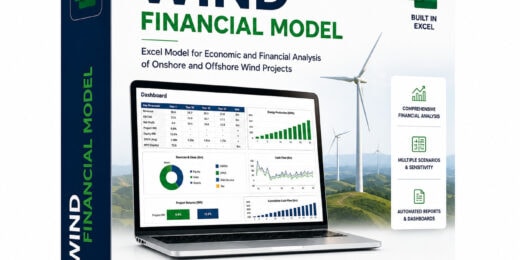

If you develop, advise on or finance utility-scale onshore wind…
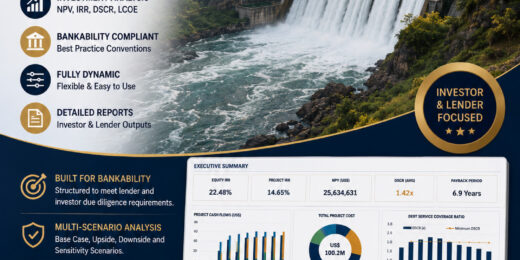

Small Hydropower Bankable Financial Model — Summary This is a…

A premium Nuclear Fusion Project Finance Model designed for evaluating…


Very comprehensive 20 Year 169-tab Excel template for a Battery…
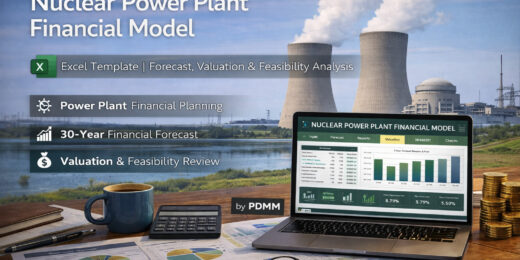
A professional Excel financial model suite for nuclear power plant…


A dynamic, ready-to-use Excel template for Battery Energy Storage System…

Financial Model providing a dynamic up to 10-year financial forecast…

Financial Model providing a dynamic up to 10-year financial forecast…
A comprehensive editable, 20-year 3-statement MS Excel spreadsheet for tracking…
A comprehensive editable 20 Year 3-Statement, MS Excel spreadsheet for…
A very comprehensive, editable 20-year MS Excel spreadsheet for tracking…


Evaluate nuclear energy projects with a detailed model. Analyze costs,…


This model is used to provide a robust economic analysis…

Simplify your EV charging station startup’s financial planning with our…

Our Solar Power Plant Financial Model is a comprehensive tool…

Financial Model for a Public-Private Partnership (PPP) project outlining the…
How to Build a Power Generation Plant?

While the environmental benefits of power plants are clear, the financial aspect is equally critical. Building a power generation plant requires significant upfront capital investment. The initial costs can be daunting, from securing land and materials to adopting cutting-edge green technologies. However, the long-term financial advantages are compelling. A power generation plant often benefits from lower operational costs, reduced fuel expenses, and government incentives such as tax breaks and grants. Additionally, with increasing demand for clean energy, these plants are positioned to generate stable, long-term revenue.
In this article, we'll explore how to build a power generation plant, the key steps, and innovative technologies involved in designing power plants that are both efficient and eco-friendly, paving the way for a sustainable energy future. We will also dive into the key financial considerations, examining the balance between short-term expenses and long-term economic gains.
What is a Power Generation Plant?
A power generation plant, also referred to as a power plant or power station, is a critical facility designed to convert mechanical energy into electrical energy on a large scale to meet the needs of modern society. It utilizes various energy sources to drive the conversion process. Traditional power generation plants often rely on fossil fuels like coal, natural gas, or oil in thermal power stations, where the combustion process produces steam to drive turbines connected to generators. On the other hand, renewable energy power generation plants tap into natural, sustainable resources like wind, solar, and hydropower to produce electricity with a lower environmental impact. Wind turbines harness the wind's kinetic energy, while hydropower plants use flowing water to spin turbines. Solar power generation plants are unique because they use photovoltaic cells to convert sunlight into electricity directly. Regardless of the energy source, the primary function of a power plant is to efficiently generate and supply electricity to homes, businesses, and industries, supporting the electrical demands of an increasingly energy-dependent world.Most power generation plants generate electricity by using one or more generators that convert mechanical energy into electrical energy, a process crucial for supplying power to the electrical grid and meeting society's growing demand for electricity. In these plants, mechanical energy is often derived from sources like steam turbines, which are powered by the combustion of fossil fuels, nuclear reactions, or even renewable sources such as wind and hydropower. However, solar power plants operate differently. Instead of relying on mechanical energy and turbines, they use photovoltaic (PV) cells to convert sunlight into electrical energy directly. These PV cells harness the energy of photons from the sun, allowing solar power plants to produce electricity in a cleaner, more sustainable way compared to traditional power plants.
Essentially, a power generation plant is an energy infrastructure project, an industrial facility designed to generate electricity. It is usually integrated into an electrical grid, a vast network of interconnected transmission lines, substations, and distribution systems. This connection to the grid allows the electricity generated by the plant to be efficiently transferred over long distances, ensuring that homes, businesses, industries, and other consumers have a steady and reliable supply of electricity. The grid not only facilitates power distribution but also helps balance supply and demand across regions, making power plants indispensable to the broader energy infrastructure and essential to meeting the energy needs of modern society.

What Are the Main Types of Power Plants?
After answering the question, "What are power plants?" we will discuss the types of power plants. The types of power plants are typically classified according to the energy source they use to produce electricity.Thermal Power Plants
Thermal power plants are types of power plants that generate electricity by converting heat energy into electrical energy. The process typically involves burning fossil fuels such as coal, natural gas, or oil to produce steam, which drives a turbine connected to a generator. In some cases, nuclear reactions produce the heat required for this process. These plants are widely used due to fuel sources' availability and ability to generate large amounts of electricity. Still, they also contribute to environmental issues such as greenhouse gas emissions. Some common examples of thermal power plants are:- Coal-fired power plants burn coal to heat water, producing steam that drives turbines to generate electricity. In the process, they release significant carbon emissions.
- Geothermal power plants harness heat from the Earth's core to produce steam, which powers turbines. This offers a renewable and low-emission energy source.
- Natural gas power plants use natural gas to create combustion that drives turbines. They offer a cleaner alternative to coal but still emit greenhouse gases.
- Nuclear power plants generate electricity by splitting atomic nuclei (usually uranium) to produce heat for steam turbines, producing minimal direct emissions but generating radioactive waste.
- Oil-fired power plants burn oil to generate steam that drives turbines, similar to coal plants, but they are less common due to higher fuel costs and environmental concerns.
Renewable Power Plants
Renewable power plants are types of power plants that use natural, sustainable resources to produce electricity. These resources include sunlight, wind, water (hydropower), geothermal heat, and biomass. Unlike fossil fuels, renewable energy sources are replenished naturally and do not deplete over time, making them more environmentally friendly. Renewable power plants are critical in reducing greenhouse gas emissions and mitigating climate change by offering cleaner alternatives to traditional energy production methods. Some common examples of renewable power plants are:- Biomass power plants generate electricity by burning organic materials like wood, agricultural waste, or dedicated energy crops. The stored chemical energy is released as heat to produce steam and drive turbines.
- Hydropower plants harness the energy of flowing or falling water, usually from rivers or dams, to turn turbines that generate electricity.
- Solar power plants convert sunlight into electricity using photovoltaic cells or concentrated solar power systems that focus sunlight to heat fluids and drive turbines.
- Wave & Tidal power plants capture the energy of ocean waves or tidal movements to rotate turbines and produce electricity.
- Wind power plants use large wind turbines to convert the kinetic energy of wind into electricity.

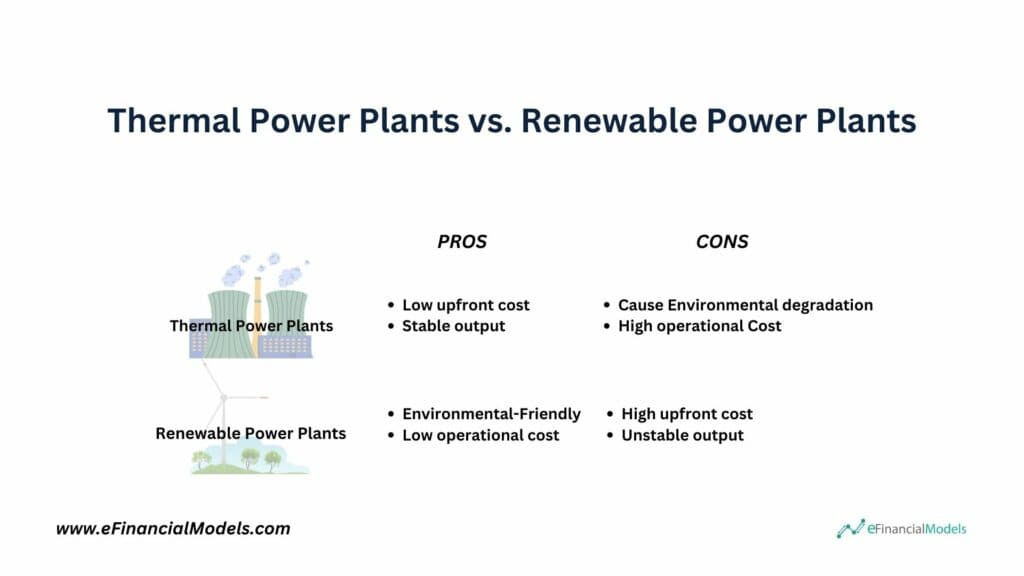
Thermal Power Plants vs. Renewable Power Plants
A comparison between the two major types of power plants – thermal and renewable power plants – highlights key differences in energy sources and environmental impact.Thermal power plants are a reliable and well-established source of energy generation. Their consistent and stable output makes them an essential component of the energy grid in many countries. Since thermal power plants can use various fuels like coal, natural gas, and oil, they provide flexibility in fuel choice based on availability and economic considerations. Additionally, thermal power plants have relatively low upfront capital costs compared to some renewable energy sources, making them accessible for both developed and developing nations. On the downside, thermal power plants significantly contribute to air pollution and greenhouse gas emissions, primarily when coal is the primary fuel source. They also contribute to climate change and environmental degradation. Additionally, these plants require large quantities of water for cooling, which can strain local water resources, especially in water-scarce areas. Moreover, fuel costs can fluctuate, leading to increased operational costs. As a result, there is growing pressure to transition away from thermal power to cleaner, more sustainable energy sources like wind and solar.
Renewable power plants, such as those utilizing solar, wind, and hydroelectric energy, offer a clean and sustainable solution to energy generation. They produce little to no greenhouse gas emissions, making them an environmentally friendly alternative to fossil fuel-based plants. These systems are also powered by naturally replenishing resources, which ensures a virtually unlimited energy supply, reducing dependence on finite resources like coal or oil. Over time, renewable energy technologies can lead to lower operational costs since sunlight, wind, and water are freely available, and technological advancements continually drive down costs. However, renewable power plants face certain challenges, including intermittency and variability. Solar and wind energy, for example, depend on weather conditions and time of day, which can lead to fluctuations in energy supply. Investment in energy storage solutions or backup systems is required, which can increase overall costs. Additionally, the initial capital investment for renewable energy infrastructure is often high, although it tends to decrease over time. Another concern is the large land area required for renewable energy sources, such as solar or wind farms, which can impact local ecosystems and lead to land-use conflicts.
Steps to Build the Next-Generation Power Plant
Building the next-generation power plant is pivotal in addressing the global demand for cleaner, more efficient, and sustainable energy. As technological advancements push the boundaries of what's possible, the energy sector is transitioning towards plants that generate power more reliably and integrate cutting-edge innovations in energy storage, emissions reduction, and renewable resources. This evolution requires a comprehensive approach that considers the balance between economic viability, environmental impact, and technological feasibility, paving the way for a smarter and greener energy future.Step 1: Feasibility Study & Planning
The first step in building a next-generation power plant is conducting a comprehensive feasibility study and planning phase. It involves selecting an appropriate site based on factors such as proximity to energy resources (like solar, wind, or geothermal), accessibility to infrastructure, and environmental impact assessments. Resource assessment is crucial to ensure the availability and sustainability of energy sources. Additionally, regulatory compliance is vital during this phase, as it requires acquiring permits, adhering to environmental regulations, and ensuring alignment with local and national energy production policies.A comprehensive feasibility study and planning phase for a power plant includes thoroughly assessing the power plant costs. This involves estimating the capital expenditure (CapEx) required for construction, which covers site preparation, infrastructure development, equipment procurement, and installation. Operational expenditure (OpEx) must be calculated, including fuel costs (if applicable), maintenance, labor, and long-term operations. Financial models are developed to project future revenue based on expected energy production, market demand, and pricing. These cost analyses are essential for determining the project's economic viability, securing funding, and ensuring the power plant remains profitable and sustainable over its lifecycle.
Typical Power Plant Costs
Typical capital expenditures (CapEx) power plant costs cover several key areas. First, acquiring land involves purchasing or leasing the site where the plant will be built, with costs varying based on location and size. Building construction includes the development of the plant's physical structures, such as the power generation facility, administrative offices, and auxiliary infrastructure. Equipment refers to purchasing and installing critical components like turbines, generators, solar panels, or wind turbines, depending on the energy source. Grid connection costs cover the infrastructure needed to connect the plant to the electricity grid, including substations, transformers, and transmission lines. Lastly, permitting and licensing encompasses the legal and regulatory costs of securing operational and environmental permits, ensuring the plant complies with local, regional, and national laws. These upfront investments are essential to developing and operating a power plant.Typical operational expenditures (OpEx) power plant costs cover ongoing expenses required to keep the facility running efficiently. Fuel is a significant expense for fossil fuel-based plants (coal, natural gas), while renewable plants like solar or wind have little to no fuel costs. Insurance is necessary to protect the plant against potential risks, covering damages, liabilities, and operational disruptions. Labor costs include wages and benefits for plant staff, such as operators, technicians, engineers, and administrative personnel. Maintenance involves routine servicing, repairing, and replacing equipment to ensure the plant operates reliably and efficiently, preventing costly downtimes. For plants with energy storage capabilities, storage costs account for operating and upkeep systems like batteries that store excess energy for later use, ensuring a stable and consistent energy supply. These ongoing expenses are crucial for maintaining optimal plant performance and profitability.

Step 2: Technology Selection
Once the site and resources have been evaluated, the next step involves selecting the right technology to optimize energy generation. It includes determining the type of energy systems to integrate—such as hybrid renewable systems that combine wind, solar, or geothermal technologies. Energy storage is also key in ensuring consistent power supply, so advanced battery storage or other energy storage systems must be incorporated to store excess energy for later use. The selection process involves balancing cost, efficiency, and future scalability, ensuring that the plant can meet both present and future energy demands.When selecting a sustainable power plant technology, choosing an energy source and storage system is critical. Opt for renewable energy sources like solar, wind, or hydro, which have a minimal carbon footprint and long-term availability. Consider the geographic location and energy needs to determine the best fit. Pair the energy source with an efficient energy storage system, such as lithium-ion batteries or pumped hydro storage, to ensure grid reliability and smooth power delivery during fluctuations in supply or demand. Future-proof the system by selecting scalable, cost-effective technologies that adapt to evolving sustainability goals.
Step 3: Engineering & Infrastructure Development
In the engineering phase, detailed plant designs are created with an emphasis on maximizing energy efficiency and minimizing losses. The process involves optimizing the layout and selecting high-efficiency and advanced materials. Construction begins with building infrastructure such as power generation units, substations, and transmission lines. Grid integration is a crucial part of this step, as the plant needs to be connected to the existing energy grid in a way that maintains grid stability and reliability, ensuring smooth energy flow between the power plant and consumers.Step 4: Commissioning & Testing
Once construction is complete, the power plant undergoes commissioning and testing. This process involves validating that all systems operate as expected, conducting performance tests, and ensuring the plant can meet energy production targets. Any issues are identified and corrected during this phase before full-scale operations begin. Additionally, smart management systems are deployed to optimize performance, monitor energy production in real-time real-time, and ensure efficient energy distribution. These systems can also help detect and prevent operational issues, improving the plant's long-term reliability.When developing a sustainable power plant, prioritize maximizing energy efficiency and minimizing losses through strategic engineering and infrastructure choices. Invest in advanced technologies like combined heat and power (CHP) systems or supercritical steam turbines to optimize energy output. Prioritize renewable energy integration—such as solar, wind, or hydro—paired with energy storage solutions to ensure continuous power supply. Reduce transmission losses by using high-voltage direct current (HVDC) systems and placing plants closer to consumption areas. Implement smart grid technology to monitor and adjust energy flow in real time, enhancing system efficiency and minimizing waste. Sustainable materials and eco-friendly construction also contribute to long-term resilience and reduced environmental impact.
Commissioning and testing a sustainable power plant requires meticulous planning and execution to ensure long-term reliability and environmental performance. Begin by setting clear performance benchmarks that align with energy efficiency and sustainability goals. Use advanced monitoring systems to assess real-time data during testing, identifying potential inefficiencies or emissions early. Collaborate closely with equipment manufacturers and operators to ensure that all systems—especially renewable energy components—are optimized for peak performance. Finally, prioritize rigorous testing of safety protocols and environmental impact controls to ensure compliance with regulatory standards and minimize the plant's carbon footprint.
Step 5: Sustainability & Operations
In the final step, the focus shifts to the plant's long-term operations, sustainability, and security. Routine maintenance is critical to ensure equipment longevity and efficiency, while periodic upgrades to both hardware and software systems will help maintain cutting-edge performance. Environmental measures, such as reducing emissions and managing waste, are implemented to ensure the plant operates sustainably. Additionally, cybersecurity measures are vital to protect the power plant from cyber threats, ensuring the integrity of both the operational technology and the broader energy grid in which the plant is integrated.Building a sustainable power plant requires integrating sustainability into every aspect of operations. Start by selecting renewable energy sources, such as solar, wind, or hydro, and implementing energy-efficient technologies to minimize waste. Develop a robust operations plan that emphasizes continuous monitoring of energy output, resource use, and emissions to identify opportunities for improvement. Incorporate smart grid technologies and energy storage solutions to balance supply and demand efficiently. Focus on minimizing environmental impacts through water conservation, pollution control measures, and responsible land use. Regularly train staff on sustainable practices and ensure compliance with evolving environmental regulations to maintain operational efficiency while reducing the plant’s carbon footprint.

Harnessing the Power of the Power Plant Model
Building a power generation plant requires a strategic approach that balances efficiency, environmental responsibility, and long-term viability. It begins with comprehensive planning and site selection, using renewable or low-emission energy sources to minimize environmental impact. Careful engineering and construction focus on reducing waste and maximizing efficiency through innovative design. Robust commissioning and testing ensure operational excellence from the start, while ongoing maintenance, regular upgrades, and the adoption of smart management systems optimize performance. Equally important are sustainability measures such as reducing emissions, conserving resources, and implementing cybersecurity to protect against modern threats.Power generation plant investments cannot be overstated. This industry is marked by substantial capital expenditures and long-term financial commitments. The financial landscape of electricity power plant investments is intricate, necessitating a precise and dynamic power plant model. An accurate power plant model enables stakeholders to simulate various scenarios and understand potential risks and returns. Sensitivity analysis, for example, allows investors to gauge the impact of fluctuating input costs, regulatory policy changes, or market demand variations on the project's financial health.
Moreover, a well-constructed power plant model can significantly enhance decision-making processes. By providing a detailed roadmap of expected cash flows, profit margins, and return on investment (ROI), it aids in securing funding from banks and attracting investors. They also facilitate compliance with financial regulations and standards, ensuring that all financial projections are robust and credible. Ultimately, leveraging financial modeling tailored for electricity power plants can transform opaque financial data into actionable insights, underpinning the success of these critical infrastructure projects.
You might also like: