
0 ITEMS

Gantt
A Gantt chart is a visual representation of a project schedule, showing tasks, timelines, dependencies, and milestones. In financial modeling, it can be used for project management, especially in complex financial projects. We offer financial model templates with Gantt chart features to help you plan and manage your financial projects efficiently.
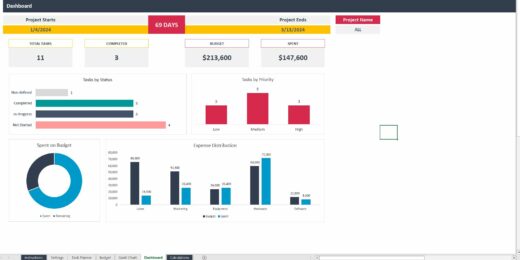

Introducing our advanced Project Management Excel Template, crafted to elevate…


En español - Project Plan: Simple and Advance Gantt Chart…

This Gantt Chart template includes examples of simple and more…


Revolutionize your business with the Complete Digital Transformation Excel Toolkit.…


1. Provides a framework for a Project Management office fitting…
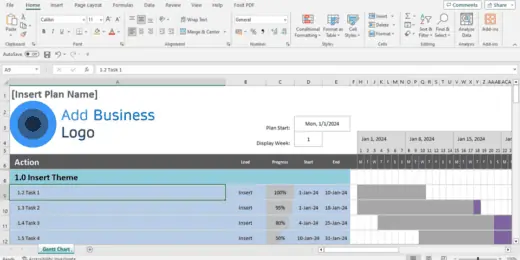
Very simple to use, intuitive and innovative planning tool/Gantt Chart
An actual example of a Project Plan that provides an…
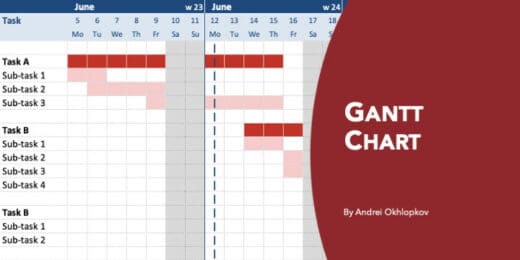



Lifetime access to all future templates as well! Here is…
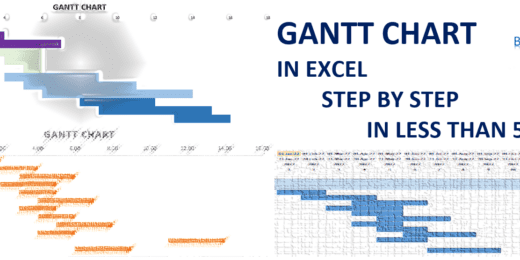

We will present a quick way to make a simple…


The Townhome Development Financial Model Template helps developers, founders, consultants,…
An actual example and template of a successful Professional Services…

Highly intuitive project plan with built-in stakeholder analysis (RACI) -…
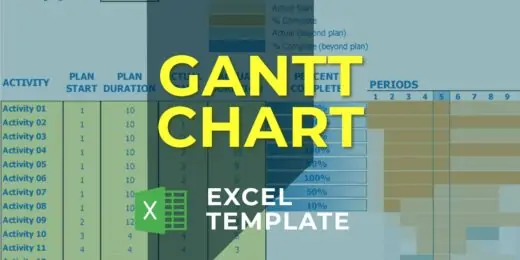



The Retail Development Financial Model Financial Model Template helps users…

The Office Development Financial Model Financial Model Template helps users…


Effective Financial Planning: The Key to Gantt Project Success

In the dynamic world of project management, the Gantt chart stands out as a quintessential tool, enabling teams to visualize project timelines and sequences efficiently. The ability of a Gantt chart to depict various tasks alongside their durations helps keep projects organized, ensuring that team members are aligned towards shared goals. Key industries such as construction, IT, manufacturing, and event planning have capitalized on the utility of Gantt charts, harnessing this tool to streamline complex projects with multiple variables. Yet, amidst its widespread use, project planning and execution face unique challenges, particularly when it comes to aligning budgets and timelines. As a result, effective financial planning emerges as a crucial factor in overcoming these hurdles, ensuring that Gantt project success is not only predictable but also sustainable.
The Gantt Industry’s Challenges and Financial Planning Solutions
At its core, a Gantt chart serves as a visual timetable that enhances task scheduling, preventing project delays and resource misallocations. Its foundational importance in project management cannot be overstated, as it provides a clear roadmap for project progression, highlighting dependencies and assigning responsibilities. Industries such as construction, IT, manufacturing, and event planning frequently employ Gantt charts due to their complex, multifaceted projects that require meticulous planning and precise execution.
However, these industries often grapple with challenges like resource constraints, fluctuating budgets, and unforeseen project disruptions. Amid tight deadlines and goals, the ability to maintain a comprehensive overview of a project's progress is vital. Challenges such as these necessitate adept financial planning, which can address the disparities between projected and real-time financial requirements. Financial planning helps mitigate risks, ensuring that potential budget overruns or resource shortages are efficiently managed. By integrating robust financial strategies into the project lifecycle, organizations can elevate their project management processes, steering them towards successful completion; for guidance on project financial planning, consider our financial model templates.
Key Financial Metrics That Drive Gantt Project Success
Achieving Gantt project success hinges significantly on tracking and managing various financial metrics. These metrics provide insights into the financial health of a project and allow stakeholders to make informed decisions. Key performance indicators (KPIs) relevant to Gantt project management include:
- Budget Variance: This metric highlights the difference between planned and actual costs. Maintaining a vigilant watch over budget variance ensures that financial resources are allocated judiciously, preventing unnecessary expenses.
- Timeline Adherence: This KPI measures if a project is progressing as per the Gantt timelines. It helps identify any potential delays early, allowing for prompt corrective actions to be taken.
- Resource Utilization Rate: This metric reflects how effectively project resources—such as manpower and materials—are utilized. Optimal resource utilization is crucial to maintaining budgetary efficiency and maximizing productivity.
- Return on Investment (ROI): ROI assesses the financial return generated relative to the project's cost, providing insight into the project's overall value.
- Cost Performance Index (CPI): This index measures cost efficiency in project execution. A CPI greater than one indicates a project is performing well financially, while a CPI less than one signals potential financial inefficiencies that need addressing.
Components of a Financial Plan Essential for Gantt Projects
To ensure Gantt project success, a comprehensive financial plan must encompass several essential components:
- Setting Clear Objectives: Financial goals should align with project milestones. Clarity in objectives helps in channeling financial efforts where they are most needed, ensuring resources are allocated strategically.
- Resource Allocation Planning: This involves devising a budget that accurately reflects the costs for manpower and materials. Effective resource allocation ensures that all project facets are funded adequately without wastage.
- Time Value of Money: Understanding the implications of project timelines on financial outcomes is crucial. Project delays can incur additional costs; hence strategies to account for the time value of money must be incorporated.
- Risk Assessment and Contingency Planning: Anticipating potential financial challenges and preparing for them is a pivotal aspect of financial planning. It helps organizations buffer against financial setbacks and maintain project stability.
- Regular Financial Reporting: Implementing a robust framework for ongoing budget monitoring ensures stakeholders are continually updated on financial statuses, enabling timely adjustments to be made as required.
Leveraging MS Excel for Effective Financial Planning in Gantt Projects
MS Excel continues to be an invaluable tool for financial planning within the scope of Gantt projects. Excel offers several advantages that make it suitable for nuanced project management:
- Customizability: Excel’s flexibility allows users to tailor templates to suit specific project needs, enabling precise planning and analysis.
- Real-time Data Tracking: Projects benefit from real-time data tracking capabilities, allowing teams to make informed decisions based on up-to-date financial insights and project progress.
- Visual Representation: Excel’s robust charting features facilitate the visualization of financial forecasts, making it easier to comprehend budgets and financial trajectories.
- Collaboration: Excel fosters collaboration by enabling team inputs and shared access. This integrated financial insight ensures that all team members are on the same page concerning project finances.
By employing Excel templates, organizations can enhance planning efficiency and decision-making, leading to more structured and effective financial management.
Streamlining Gantt Project Success through Strategic Financial Planning
Financial planning is the bedrock upon which successful Gantt projects are built. By understanding the Gantt industry landscape, employing essential financial metrics, and leveraging effective financial planning components, projects can be steered towards favorable outcomes. Moreover, with tools like MS Excel, the process of financial planning becomes more streamlined and accessible. A structured financial analysis not only drives project success but also ensures operational efficiency.
This is where eFinancialModels steps in—providing sophisticated financial model spreadsheet templates that simplify the complexities of financial planning in Gantt projects. By leveraging these tools, project managers can focus on what truly matters: delivering projects on time, within budget, and to the expected quality standards. To breathe new life into your project financial planning, explore eFinancialModels' offerings today, and equip your team with the resources needed to excel in the competitive landscape of Gantt project management.
- What are the key benefits of financial planning in Gantt projects? Financial planning helps in keeping the project aligned with its budget and timeline, optimizes resource allocation, and mitigates risks of cost overruns and resource shortages.
- How can Excel support financial planning in Gantt projects? Excel provides customizability, real-time data tracking, visual representation capabilities through charts, and facilitates collaboration, making it an effective tool for financial planning.
- What is budget variance and why is it important? Budget variance measures the difference between planned and actual costs. Monitoring it is crucial to ensure financial resources are used wisely and to prevent unnecessary expenses.
- Why is risk assessment crucial in financial planning? Risk assessment identifies potential financial challenges in advance, allowing organizations to prepare for them and maintain financial stability throughout the project's duration.
- What is the role of eFinancialModels in Gantt project management? eFinancialModels offers sophisticated spreadsheet templates that simplify financial planning, helping project managers maintain efficiency and focus on delivering quality projects on time.
You might also like: