
0 ITEMS

Pharmacies & Drugstores
Pharmacies or drugstores are establishments that provide prescription drugs and other non-pharmaceutical products. The pharmacists are responsible for dispensing medications and assuring the appropriateness and safety of the prescribed medicines. The pharmacists have to provide knowledge about the composition of the drugs and their use. They must also safeguard the drug purity and strength. Presented here are the financial model templates related to pharmacies and drugstore businesses.
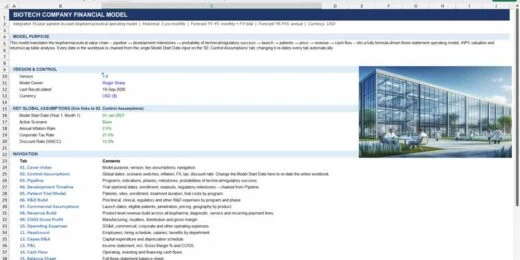

Model the entire drug development lifecycle, from preclinical research through…
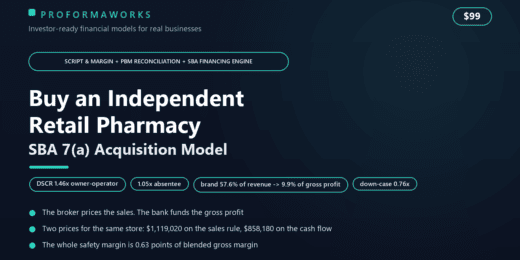

Underwrite the purchase of an independent retail pharmacy the way…


Free market study reports on the global health care industry…


The main objective of this model is to develop a…


A comprehensive Excel-based financial model designed for pharmaceutical companies involved…


The Veterinary Clinic Financial Model Template is a comprehensive Excel…

Elevate your Biotech or Pharma startup with our Excel-based Biotech…
Very comprehensive editable, 5-year 3 statement MS Excel spreadsheets for…

A comprehensive editable, 5 Year 3 statement MS Excel spreadsheet…


This financial model provides an advanced 5-year financial plan for…

The main objective of this model is to develop a…

CBD Personal Care Financial Model and Valuation Template, a comprehensive…


The financial model is a comprehensive tool that enables owners…


Financial Model analyzing a Biopharmaceutical Company using a Risk-Adjusted NPV…

Financial Model providing an advanced 5-year financial plan for a…


The Traditional Chinese Medicine Clinic Financial Model helps entrepreneurs, clinic…

The Blood Bank Financial Model helps users turn a blood…

The Drugstore Financial Model helps entrepreneurs, pharmacy owners, consultants, analysts,…


This is simple and easy to understand Discounted Cash Flow…

The Vitamin Subscription Box Financial Model helps entrepreneurs, founders, consultants,…
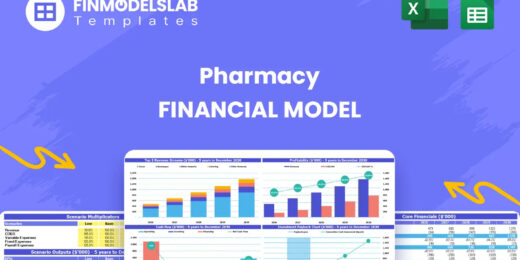
The Pharmacy Financial Model template helps entrepreneurs, pharmacy owners, consultants,…


The Pharma Biotech Valuation Model Template calculates the risk-adjusted DCF…
Smart Inventory Management for Effective Pharmacies & Drugstores Financial Planning

In the intricate world of healthcare, pharmacies and drugstores stand as pivotal players in ensuring community access to essential medications and health products. They serve not only as retail hubs but as fundamental components of the healthcare delivery system. However, the road to operational and financial success for these establishments is fraught with challenges. Regulatory compliance, pricing pressures from manufacturers, and the ever-evolving healthcare landscape pose substantial hurdles. Amidst these challenges, smart inventory management emerges as a linchpin for effective financial planning and operational efficiency. Through adept inventory practices, pharmacies can harmonize their supply chain, streamline operations, and ultimately safeguard their financial health.
Strategic Financial Planning as a Foundation for Success
Central to the financial success of pharmacies and drugstores is the need for strategic financial planning. Pharmacies must navigate a landscape endowed with regulatory demands and the necessity to maintain competitive pricing structures. As such, a robust inventory management strategy provides the groundwork for businesses in this sector to thrive. By meticulously managing inventory, drugstores can mitigate risk, reduce waste, and ensure cash flow stability—elements critical to both immediate solvency and long-term growth.Key Performance Indicators for Operational Effectiveness
Within the pharmacy sector, key performance indicators (KPIs) are vital in measuring and guiding operational effectiveness. These KPIs, tailored to the intricacies of the pharmaceutical retail environment, help managers steer their businesses towards fiscal health.- Inventory Turnover Rate: An essential metric in inventory management, the inventory turnover rate measures how often inventory is used or sold over a specific period. It highlights the efficiency with which a pharmacy manages its stock. Industry benchmarks suggest that a higher turnover rate is preferable, as it indicates that the business efficiently sells products before they become obsolete or expire. A typical benchmark in the pharmacy industry may range from 10 to 12 times per year, depending on product types and market dynamics. This KPI underscores the need to maintain optimal inventory levels, preventing excess stock and ensuring fresh product rotation.
- Shrinkage Rate: Shrinkage rate measures inventory loss due to factors like theft, damage, or supplier discrepancies. High shrinkage rates can drastically skew financial performance by inflating expenses and reducing profitability. To counteract this, pharmacies implement strategies such as enhanced security measures, regular inventory audits, and robust employee training. By reducing shrinkage, pharmacies can sustain inventory reliability and protect profit margins.
- Days Sales of Inventory (DSI): The DSI ratio indicates the average number of days a company needs to sell its stock. This KPI is instrumental in managing stock levels efficiently, impacting both cash flow and purchasing decisions. A lower DSI suggests that the pharmacy manages its inventory well and converts stock into sales quickly, thereby improving cash flow dynamics. Timely analysis of DSI helps businesses balance inventory availability with liquidity requirements, ensuring operational agility.
- Gross Margin Return on Investment (GMROI): GMROI evaluates the profit return generated per unit of inventory investment, offering a gauge of inventory profitability. It is calculated by dividing gross margin by the average inventory cost. A higher GMROI indicates effective procurement and pricing strategies, making it a crucial metric for assessing inventory investments. This KPI enables pharmacies to align their inventory strategy with profitability goals, guiding decision-makers to optimize stock selection and supplier negotiations.
Best Practices for Smart Inventory Management
Smart inventory management hinges on precise demand forecasting, adept restocking strategies, and leveraging technology. These practices collectively reinforce the pharmacy's ability to meet customer demands while maintaining economic viability.- Accurate Demand Forecasting: Accurate demand forecasting minimizes inventory-related risks and ensures that pharmacies meet customer needs without overstocking. Techniques such as analyzing historical sales trends and employing data analytics are invaluable. By utilizing sophisticated data models, pharmacies can predict demand variations and adjust stock levels proactively. This approach not only aligns supply with demand but also enhances customer satisfaction and minimizes holding costs.
- Effective Stock Replenishment Strategies: Replenishment strategies like just-in-time (JIT) inventory significantly reduce holding costs by coordinating stock restocks with demand cycles. Just-in-time strategies align order schedules with anticipated sales, minimizing excess stock. Additionally, cultivating strong vendor relationships is crucial for timely restocks. Pharmacies can ensure consistency in supply through vendor collaboration, thus buffering against supply chain disruptions.
- Leveraging Technology for Inventory Management: Incorporating technological solutions such as RFID, barcoding, and inventory management software can transform pharmacy operations. These tools facilitate real-time inventory tracking, reducing human error and streamlining processes. Automation via technology aids in accurate record-keeping, enhances order accuracy, and expedites decision-making. By embracing these innovations, pharmacies can achieve heightened efficiency and cost-effectiveness.
Utilizing MS Excel for Financial Planning Efficiency
MS Excel offers a flexible, user-friendly platform for financial modeling, making it an ideal choice for pharmacy financial planning. Its versatility allows pharmacists to customize spreadsheets to their specific operational needs, simplifying complex calculations and analyses.- Flexibility: Excel's flexibility enables pharmacies to tailor models to their unique operational conditions. Customizable templates allow for specific adjustments in inventory modeling, forecasting, and financial analysis, providing a personalized analytical framework.
- Usability: With a familiar interface, Excel is accessible to finance professionals accustomed to its environment. Its intuitive layout supports easy data input and manipulation, simplifying the financial planning process.
- Cost-effective Solution: Compared to specialized financial software, Excel is a cost-effective alternative that does not skimp on functionality. Pharmacies can leverage this tool to manage extensive financial data without incurring exorbitant software costs.
- Examples of Specific Templates: Templates designed for inventory forecasting enable pharmacies to predict demand accurately and schedule replenishments effectively. Custom cash flow management sheets support budgeting and expense tracking, catering specifically to the financial nuances of pharmacy operations. Real-life success stories abound, showcasing pharmacies that have harnessed Excel's power to enhance financial outcomes by optimizing inventory practices and refining budgeting strategies.
Conclusion and Strategic Steps Forward
In conclusion, smart inventory management is not merely a component of operational strategy for pharmacies and drugstores—it's a vital lifeline to sustained financial health and efficiency. By prioritizing accurate demand forecasting, effective replenishment strategies, and embracing technology, pharmacies can maintain optimal inventory levels and boost profitability. The integration of tailored MS Excel templates further underscores the importance of robust financial modeling in this pursuit. Excel serves as an adaptable, user-friendly, and cost-effective tool, enabling pharmacies to refine their financial strategies and drive superior outcomes. To all pharmacies and drugstores seeking to enhance their financial planning processes, explore eFinancialModels’ sophisticated spreadsheet templates. These models are crafted to empower businesses in the pharmaceutical sector by streamlining inventory management and optimizing financial performance. As you strive for operational excellence and greater profitability, let eFinancialModels be your partner in achieving success.FAQ on Smart Inventory Management in Pharmacies
- What is the importance of inventory turnover rate in pharmacies? The inventory turnover rate measures how often inventory is sold and replaced over a certain period. It indicates efficiency in managing stock. A higher turnover rate is generally preferable as it suggests effective selling practices and helps prevent obsolescence or expiry of drugs.
- How can pharmacies reduce shrinkage rates? High shrinkage rates can negatively affect profitability. Pharmacies can reduce shrinkage through strategies like enhanced security measures, regular inventory audits, and employee training to protect their profit margins.
- What role does technology play in inventory management? Technological solutions like RFID, barcoding, and inventory management software enable real-time tracking of inventory, reduce human errors, and streamline pharmacy operations. This results in improved accuracy in order handling and decision-making.
- Why use MS Excel for financial planning in pharmacies? MS Excel provides a flexible and cost-effective platform for financial planning. It allows for the customization of templates to meet specific planning needs, making it easier to manage budgeting,
You might also like: