0 ITEMS

Understanding What Is A Trucking Company And Its Impact On Business Success
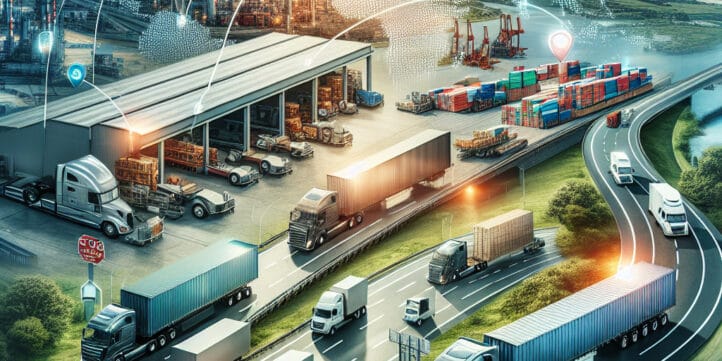
Trucking companies are essential for keeping supply chains running smoothly, connecting manufacturers with consumers across various industries.
- They provide reliable transportation for goods, ensuring timely deliveries and reducing delays.
- Effective fleet management and route optimization help lower costs and improve operational efficiency.
- Trucking services support diverse sectors like retail, healthcare, construction, and automotive, adapting to different cargo needs.
- Choosing the right trucking partner impacts delivery speed, customer satisfaction, and overall business performance.
- Understanding industry categories and service offerings helps companies make strategic logistics decisions.
Continuing to read, you’ll see how these factors influence long-term business success and supply chain resilience.
The Vital Functions of Trucking Companies
Trucking companies carry out several critical functions that contribute to the effectiveness of the entire logistics chain. Their services go beyond mere transportation; they enhance operational efficiency and customer satisfaction. Here are the key roles that trucking companies play:
- Reliable Transportation: Trucking companies ensure that goods are transported safely and efficiently from manufacturers to retailers, warehouses, and customers.
- Timely Deliveries: Meeting delivery deadlines is crucial for customer satisfaction. Trucking companies are vital in maintaining the flow of goods, preventing delays in the supply chain.
- Cost Management: Efficient trucking operations can help reduce transportation costs, ultimately affecting pricing strategies for businesses.
- Flexibility and Adaptability: Trucking services offer flexible solutions, allowing businesses to adjust their logistics needs based on demand fluctuations.
- Inventory Management: By ensuring timely transportation, trucking companies help businesses manage their inventory levels effectively, reducing holding costs.
- Real-time Tracking: Many trucking companies now provide technology that allows businesses to track shipments in real time, enhancing transparency and accountability.
Understanding these functions elucidates the essential role trucking companies play in optimizing logistics. Their ability to deliver goods on time, manage costs, and adapt to changing market dynamics positions them as invaluable partners in any supply chain. Moreover, they affect customer perception and, subsequently, business profitability.
The Impact of Trucking on Business Success
The impact of trucking companies transcends operational aspects; it affects customer satisfaction, cost-effectiveness, and overall business performance. Here are the critical ways trucking influences these areas:
| Area of Impact | Description |
|---|---|
| Customer Satisfaction | Timely deliveries ensure customers receive their orders as expected, fostering loyalty and positive reviews. |
| Cost-Effectiveness | By optimizing routes and utilizing modern fleet management, trucking companies can significantly reduce transportation costs. |
| Operational Efficiency | Effective trucking logistics streamline operations, allowing businesses to focus on core functions without interruptions. |
As highlighted in the table, trucking companies significantly influence various aspects of business performance. They not only ensure the efficient movement of goods but also enhance customer experiences through timely and cost-effective solutions. The symbiotic relationship between trucking logistics and business success is crucial for long-term growth and market competitiveness.
In summary, trucking companies’ roles extend well beyond simple transportation. Their multifaceted contributions form the backbone of efficient supply chain management, significantly affecting customer satisfaction, cost efficiency, and overall operational efficacy. It’s clear that the successful integration of trucking services is paramount for businesses striving for longevity and competitive advantage in the marketplace.
For those interested in leveraging financial models specific to the trucking industry, you can explore a selection of financial model templates for trucking that can aid in strategic decisions and business planning.
Understanding the Trucking Industry
At its core, a trucking company serves as a vital link in the supply chain by providing freight transportation services. These companies utilize various types of trucks to move goods efficiently from one location to another, playing a crucial role in the economy. The trucking industry showcases a broad spectrum of operations, ranging from small, regional carriers that focus on local deliveries to large, national and international logistics firms that provide comprehensive shipping solutions. In their operations, trucking companies might deploy diverse types of vehicles including semi-trucks, flatbed trucks, and specialized trucks tailored for transporting specific types of cargo, ensuring flexibility and efficiency in freight logistics.
Trucking companies are not only about moving freight; they also manage a variety of critical functions to ensure successful operations. To better understand these functions, we can elaborate on four core areas where trucking companies concentrate their efforts:
- Customer Service: Building strong relationships with clients to understand their unique requirements, proactively addressing issues, and ensuring timely deliveries are essential components of customer service in the trucking industry. For instance, maintaining communication channels for tracking shipments boosts customer satisfaction.
- Fleet Management: Effective fleet management involves maintaining vehicles in optimal condition, optimizing routes for fuel efficiency, and managing drivers’ schedules to enhance safety and productivity. Advanced fleet management systems can even monitor vehicle performance and driver behavior in real-time to mitigate operational risks.
- Regulatory Compliance: Trucking companies must adhere to a myriad of federal and state regulations. These include following hours-of-service rules to prevent driver fatigue and ensuring cargo is secured according to safety protocols. Non-compliance can lead to severe penalties and operational disruptions.
- Logistics Planning: Logistic planning entails coordinating loading and unloading schedules, effectively managing inventory, and providing real-time tracking services to clients. By employing sophisticated logistics software, companies can automate these processes and improve overall efficiency.
To further illustrate the diversity in the trucking industry, we can categorize different trucking companies based on their size, types of operations, and service offerings. This categorization will provide insights into how various companies adapt to the unique requirements of their clients and the market.
| Category | Size | Type of Operation | Service Offerings |
|---|---|---|---|
| Small Carriers | 1-20 trucks | Regional | Local deliveries, specialized freight handling |
| Mid-sized Companies | 21-100 trucks | Regional/National | Dedicated contracts, consolidation services |
| Large Enterprises | 100+ trucks | National/International | Comprehensive logistics solutions, freight forwarding |
This table highlights the variety of trucking companies and their operational scales. Small carriers typically specialize in local routes and specific freight types, making way for a personalized customer experience. Mid-sized companies often expand their service offerings to regional and national levels, leveraging dedicated contracts to build a stable client base. On the other hand, large enterprises have the resources to establish extensive logistics networks that cater to a variety of client needs, from freight forwarding to complete supply chain solutions.
In conclusion, the trucking industry is a multifaceted sector that encompasses a wide range of operations, each tailored to its specific market niche. Understanding the core functions of trucking companies, as well as their categorization based on size and service offerings, provides valuable insights into how these businesses operate. They are not just about transporting goods; rather, they are integral parts of a broader logistics ecosystem that drives economic growth and connectivity.
Trucking Companies: The Backbone of Supply Chain Management
Trucking companies are fundamental components of supply chain management, serving as critical connections between suppliers, manufacturers, and consumers. Their primary role involves transporting raw materials to production sites and delivering finished products to retailers and end-users. This essential function significantly influences inventory turnover, delivery times, and overall operational efficiency, all of which are vital for a thriving economy.
For instance, consider a coffee roaster that depends on a trucking company to ship green coffee beans from farms in South America to its roasting facility in the United States. Any delays in transportation can lead to increased costs, inventory shortages, or even lost sales opportunities. Thus, a reliable trucking partner is paramount in maintaining the seamless operation of this crucial supply chain link, supporting the coffee roaster’s growth and maximizing customer satisfaction.
Industries Relying on Trucking Services
While coffee roasting serves as a relevant example, many other industries heavily rely on trucking companies for their logistics and operational needs. Below is an expanded list of sectors that depend on these services:
- Automotive Industry: Trucking is integral for delivering auto parts and finished vehicles to dealerships.
- Food and Beverage Sector: From raw agricultural products to distribution of packaged goods, trucking plays a vital role.
- Construction: Transporting heavy construction materials such as steel, cement, and machinery to various sites is crucial.
- Retail and E-commerce: Timely delivery of products from warehouses to stores or directly to consumers is heavily reliant on trucking.
- Healthcare: Medical supplies, pharmaceuticals, and even equipment are transported to hospitals and clinics through trucking networks.
- Pharmaceuticals: The sensitive nature of these products requires specialized trucking solutions.
These industries highlight the diverse nature of trucking services. From raw materials to finished goods, trucking companies connect various links in the supply chain, ensuring that critical processes are executed promptly and efficiently. Their reliability not only enhances operational capabilities but also strengthens market competitiveness.
Visualizing the Supply Chain Role of Trucking Companies
The relationship between trucking companies and the entire supply chain network can be succinctly illustrated in a flowchart. The following flowchart outlines the simplification of this complex logistical web:
| Supplier | Trucking Company | Manufacturer | Distributor/Retailer | Consumer |
|---|---|---|---|---|
| Raw Materials | Transportation | Production | Warehousing | End User Delivery |
This flowchart encapsulates the fundamental pathway that goods take from their origin to the consumer. Each step plays a vital role in ensuring that products remain in the supply chain. A seamless connection through trucking reduces delays and optimizes inventory management, ultimately leading to greater customer satisfaction and enhanced economic vitality.
The significance of trucking in supply chain management cannot be overstated. As industries continue to expand and evolve, the demand for effective trucking solutions will only increase, highlighting the ongoing importance of this sector in supporting varied market needs. Ensuring that trucking operations run smoothly is not just beneficial but essential for capitalizing on growth opportunities across all industries.
The Economic Impact of the Trucking Industry
The trucking industry serves as a critical backbone for the United States economy, contributing significantly to the movement of goods and the overall economic landscape. According to the American Trucking Associations, this sector is responsible for transporting approximately 70% of all freight across the nation. This emphasizes the trucking industry’s vital role in ensuring the smooth operation of supply chains, which, in turn, helps maintain market dynamism. Furthermore, the industry provides millions of job opportunities, creating a ripple effect that supports economic stability within various communities.
Economic Contributions Over the Years
To provide a clearer picture of the trucking industry’s economic contributions over time, herein is a graphical representation displaying the industry’s growth in revenue and freight transport volumes.
As reflected in the table above, the trucking industry has seen steady revenue growth over the years, coupled with increased freight transport volumes. This upward trend signifies the expansion of logistics networks, increasing demand for goods, and the need for reliable transportation solutions. Moreover, experts predict continued growth in this sector as e-commerce and consumer demand rise, driving even more reliance on trucking services.
Job Creation and Economic Stability
The trucking industry is a major employer in the United States, providing millions of jobs that range from truck drivers to logistics specialists. The importance of these job opportunities extends beyond individual livelihoods; it supports entire communities and regional economies. Here are some key statistics and points regarding the job creation potential of the trucking sector:
- According to the Bureau of Labor Statistics, there were approximately 3.5 million truck drivers in the United States as of 2022.
- The trucking sector directly employs over 7.7 million individuals in various capacities, including support services and administrative roles.
- Each trucking job is estimated to support an additional 3.5 jobs in related industries, enhancing local economic health.
- Many trucking companies offer competitive salaries and benefits, attracting a diverse workforce and fostering job stability.
The job creation potential within the trucking industry not only equips individuals with employment opportunities but also strengthens the backbone of the U.S. economy. As these employees contribute to their communities, they help to stimulate local business activity and foster economic development. With the ongoing investment in infrastructure and logistics improvements, the trucking industry is poised to remain a significant economic driver in the United States for years to come.
In conclusion, the trucking industry is a powerhouse of economic activity, driving both revenue growth and job creation. As this sector continues to evolve with changing market demands and technological advancements, its contributions will remain pivotal in sustaining economic stability for communities across the nation.
Understanding the Role of Trucking Companies in Business Success
Trucking companies play a fundamental role in the business landscape, significantly impacting supply chain efficiency, cost management, and customer satisfaction. As global commerce continues to expand, the need for effective and reliable transportation services is more critical than ever. By partnering with a trustworthy trucking service, businesses can stay competitive and adapt to changing market demands. The trucking industry is not simply about moving goods; it is about facilitating the growth and sustainability of businesses across various sectors.
Key Benefits of Partnering with a Trucking Service
When businesses collaborate with trucking companies, they unlock numerous advantages that can enhance their operational efficiency. Below are some of the primary benefits associated with these partnerships:
- Improved Supply Chain Efficiency: Reliable trucking services ensure timely deliveries, minimizing inventory holding costs and enhancing the overall supply chain.
- Cost Management: Compared to other transportation methods, trucking can often provide a more cost-effective solution, especially for short and medium distances.
- Flexibility: Trucking companies can offer tailored solutions to meet specific business needs, such as scheduled deliveries and specialized transport for unique products.
- Increased Delivery Speed: With a vast network and adaptable routing options, trucking services can often deliver goods faster than other transportation modes.
- Enhanced Customer Satisfaction: On-time deliveries contribute significantly to customer satisfaction and can lead to repeat business.
These benefits highlight the importance of selecting the right trucking partners. Companies that invest in effective trucking services may find themselves better positioned to respond to changes in the market and customer preferences. This adaptability can ultimately lead to improved business performance and profitability.
Evaluating Your Trucking Options
As the transportation landscape evolves, businesses need to continuously evaluate their trucking options to ensure they are making the best choices. Consider the following factors when assessing potential trucking partners:
| Factor | Considerations |
|---|---|
| Service Range | Evaluate whether the company covers the areas critical to your business needs. |
| Reputation | Research the company’s delivery performance and customer service reviews. |
| Cost Structure | Compare pricing models and ensure transparency in costs to avoid surprise fees. |
| Technology Usage | Look for companies that utilize modern technology for tracking and logistics management. |
| Flexibility in Services | Assess the company’s ability to scale services based on your changing needs. |
By thoroughly evaluating these factors, businesses can make informed decisions that align with their operational goals and customer expectations. Choosing the right trucking partner not only streamlines logistics but also strengthens the foundation upon which businesses can thrive.
In conclusion, understanding the critical role that trucking companies play in your business strategy is essential. As global commerce and customer expectations evolve, so too must your logistics solutions. Take proactive steps today to evaluate your trucking options and ensure your business is well-equipped to thrive. For more insights into how tailored financial modeling can enhance your logistics planning and overall business strategy, consider exploring our extensive range of trucking financial models.
What Services Do Trucking Companies Offer?
Trucking companies play a crucial role in the logistics and transportation industry by providing a wide array of services tailored to meet the needs of various businesses. Understanding these services can help companies make informed decisions when selecting a trucking partner. Below is an overview of the primary services offered by trucking companies:
- Freight Delivery: Transporting goods from one location to another, ensuring timely and safe delivery of products.
- Logistics Planning: Developing efficient strategies and routes for transporting goods, optimizing supply chain operations.
- Route Optimization: Utilizing technology to find the most efficient paths to reduce transportation times and costs.
- Fleet Management: Overseeing a company’s vehicle assets, ensuring compliance with regulations, scheduling maintenance, and tracking performance.
- Specialized Transport: Providing unique transportation services such as temperature-controlled transport for perishables or hazardous materials.
Trucking companies adapt their services based on customer requirements, demonstrating their flexibility and commitment to enhancing supply chain efficiencies. Their roles can extend beyond simple transportation, often encompassing integrated logistics solutions that handle everything from loading to final delivery. Understanding these services can help businesses align their needs with the capabilities of the trucking companies they consider partnering with.
How Do Trucking Companies Impact Supply Chain Efficiency?
Trucking companies significantly contribute to the overall efficiency of supply chains. Their ability to deliver goods promptly and manage logistics effectively has a direct impact on businesses’ success. Here are some of the ways trucking companies enhance supply chain efficiency:
- Timely Transportation: Providing prompt delivery services to meet tight schedules and customer demands.
- Optimal Inventory Levels: Helping businesses manage inventory effectively by ensuring that stock levels match demand without overstocking or understocking.
- Reduced Delivery Times: Streamlining transport processes to minimize the time goods spend in transit.
- Improved Supply Chain Responsiveness: Allowing businesses to react quickly to market changes and customer orders.
The efficiency of trucking companies translates into higher customer satisfaction and retention, ultimately impacting a company’s bottom line. By fostering stronger relationships with trucking partners, businesses can enhance their operational capabilities and gain a competitive edge in the market. These improvements lead to increased productivity, reduced costs, and better service delivery standards.
What Types of Trucking Companies Exist?
Trucking companies can be categorized in various ways, each type serving specific sectors or types of cargo. Knowing these classifications can help businesses identify the right trucking partner for their needs. Below are the main types of trucking companies:
| Category | Description |
|——————————|————————————————————————————————–|
| **Regional Carriers** | Focus on specific geographic areas, often offering personalized services tailored to local needs. |
| **National Carriers** | Operate across the country, providing broad service options and large-scale logistics solutions. |
| **Specialized Carriers** | Offer niche services such as refrigerated transport, flatbed hauling, or heavy and oversized loads. |
| **Owner-Operators** | Independent truck drivers who own and operate their vehicles, offering personal service and flexibility. |
| **Fleet Operators** | Companies with multiple trucks and drivers, specializing in large-scale logistics and consistent shipping needs. |
The type of trucking company selected can impact cost, service level, and delivery speed. Businesses should assess what kind of operations they require when choosing a partner, considering factors like delivery area and cargo types. Understanding these distinctions allows for better alignment of a company’s logistics needs with what the trucking services offer, enabling more effective and strategic decision-making.
Why Is It Important for Businesses to Choose the Right Trucking Partner?
The selection of a trucking partner is not just about moving goods; it significantly influences a company’s operational efficiency and customer satisfaction. Understanding this importance can lead to better long-term partnerships. Here are key reasons for choosing the right trucking company:
- Operational Efficiency: A reliable trucking partner ensures seamless logistics operations crucial for meeting tight deadlines and commitments.
- Cost-Effectiveness: Selecting the right partner can help businesses manage transportation costs through competitive pricing and reduced downtime.
- Customer Satisfaction: Reliable transportation translates to greater customer contentment, driving repeat business and loyalty.
- Strong Relationships: A trustworthy trucking partner fosters better communication and collaboration, establishing a strong foundation for future business interactions.
A well-chosen trucking partner can enhance a company’s ability to respond to market demands and efficiently manage supply chain challenges. Companies should prioritize evaluating potential trucking partners based on their reliability, service offerings, and alignment with operational goals. This strategic decision focuses on supporting overall business objectives while ensuring exceptional delivery service.