0 ITEMS

Mastering the Road How to Start a New Car Dealership

Starting a car dealership involves several key steps to ensure success in a competitive market.
- Market analysis and location selection can make a significant difference, with high-traffic areas boosting visibility and sales.
- Securing appropriate financing through loans, investors, or grants is essential to cover startup costs and inventory purchases.
- Legal compliance, including licenses and zoning laws, prevents penalties and helps establish a solid foundation.
- Building a diverse inventory that aligns with current market trends can attract a broader customer base.
- Developing a strategic marketing plan combining digital and traditional channels increases brand awareness and customer engagement.
Understanding these core elements can greatly improve your chance of building a profitable dealership; keep reading for detailed guidance on each step.
Key Considerations When Starting a Car Dealership
When embarking on the journey to establish a car dealership, there are several crucial factors you must consider. Each of the following points plays a significant role in your planning process:
- Market Analysis: Understanding the local market and identifying target customers is essential to determine demand and competition.
- Financing: Identifying potential sources of financing, such as loans, investors, or personal capital, is critical for getting your dealership off the ground.
- Legal Requirements: Familiarizing yourself with the necessary licenses, permits, and regulatory compliance needed to operate legally is a vital first step.
- Location: Selecting a prime location with high visibility and accessibility can make a substantial difference in your success.
- Inventory Selection: Deciding which brands and vehicle types to offer based on customer preferences will influence your sales strategy.
- Marketing Strategy: A well-crafted marketing plan, utilizing both digital and traditional media, will help you build a customer base and enhance visibility.
Each of these considerations is vital to forming a solid foundation for your dealership. By focusing on conducting thorough market research and securing adequate financing, you set the stage for a successful business. Beyond financing and legality, an effective marketing strategy and the right inventory can significantly influence your dealership’s early success and long-term viability.
Car Dealership Trends and Market Growth
To provide better context for your venture into the automotive sector, it is essential to recognize current market trends. Below is a table outlining recent statistics and forecasts related to the automotive dealership industry:
| Year | Market Size (in billion USD) | Growth Rate (%) |
|---|---|---|
| 2021 | 134.4 | -1.6 |
| 2022 | 138.3 | 2.9 |
| 2023 | 143.0 | 3.4 |
| 2024 | 150.0 (Projected) | 4.9 (Projected) |
The table above not only highlights the market size over the last few years but also presents a projected growth rate, indicating a positive trend in the automotive dealership sector. This growth signals potential profitability and increased sales opportunities for new dealers entering the market. By keeping an eye on these trends, you can tailor your business strategies to effectively meet emerging consumer demands.
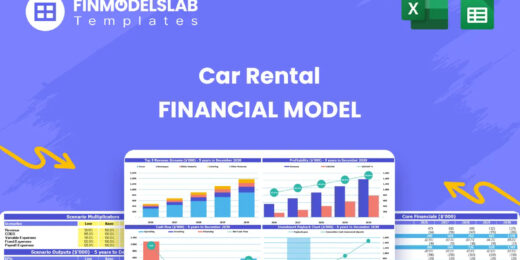
In summary, starting a car dealership requires strategic planning and a comprehensive understanding of various market factors. From recognizing key considerations to understanding market trends, equipping yourself with the right information is essential for successful business formation. With adequate preparation, you are better positioned to thrive in this competitive market. For further resources on creating a robust financial model tailored to the automotive industry, consider exploring our [Car Dealer Financial Model Templates](https://www.efinancialmodels.com/downloads/category/financial-model/retail/car-dealer/).
Develop a Business Plan for Your Dealership
A well-crafted business plan is the foundation of a successful dealership. It provides a roadmap for operational efficiency and profitability while guiding your decision-making processes. Before writing your plan, conduct extensive market research that includes identifying your target audience, assessing competitors, and understanding vehicle demands in your locality. Formulating a strong business plan will not only define your dealership’s unique selling propositions (USPs) but also guide your financial strategies. Below is a breakdown of key elements to ensure your business plan is thorough and effective.
Key Elements of Your Dealership’s Business Plan
To write an effective business plan, you should cover several vital areas. Here are the essential components you must address:
- Executive Summary: This section should encapsulate your vision, mission, and primary goals for the dealership. It serves as an introduction and overview for potential investors and partners.
- Market Analysis: Comprehensive analysis of the automotive market landscape, including customer demographics, industry trends, and competitor insights.
- Marketing Strategy: Outline your marketing channels, tactics for customer engagement, and promotional strategies to attract your target audience.
- Financial Projections: This section should include detailed estimates of startup costs, operating expenses, and revenue forecasts. Financial projections are vital for assessing the potential profitability of the business and for securing financing.
Expanding on each element will enhance your understanding and preparedness. Here are additional details and advice on these critical sections:
1. Executive Summary
The executive summary should present a compelling glimpse into your dealership’s offerings and market potential. It should address the following:
- Overview of your dealership’s history and achievements.
- Key objectives for the upcoming year and beyond.
- Summary of unique advantages over competitors.
Focusing on clarity here will set the tone for the rest of your business plan.
2. Market Analysis
Conducting a detailed market analysis can significantly improve your strategies. Here are some areas to focus on:
- Customer Demographics: Identify who your customers are, including age, income, and purchasing behavior.
- Competitor Analysis: Perform a competitive review of local dealers, including their strengths and weaknesses.
- Market Trends: Investigate automotive industry trends that could affect your dealership, such as electric vehicles, leasing options, and digital sales.
Understanding the market landscape will allow you to position your dealership effectively, especially regarding pricing and inventory.
3. Marketing Strategy
A strong marketing strategy is crucial for reaching your potential customers. Include:
- Brand Positioning: Define how you want your dealership to be perceived in the market.
- Advertising Channels: Consider online platforms, social media, local events, and traditional media to promote your dealership.
- Promotional Offers: Develop compelling offers that can attract customers, such as seasonal sales or loyalty programs.
Having a consistent and adaptive marketing strategy can help you respond to changing market conditions more effectively.
4. Financial Projections
Creating accurate financial projections is key to operational success and gaining investor confidence. This section should include:
- Startup Costs: Outline initial outlays required to open the dealership.
- Operating Expenses: Break down expected monthly and annual costs, detailing areas such as staffing, utilities, and marketing.
- Revenue Forecasts: Provide realistic sales projections for the first three to five years.
It is critical to support your financial projections with data. For instance, according to the National Automobile Dealers Association, the average dealership generates a gross profit of about $1 million annually. Ensuring realistic assumptions and being prepared with justifications will enhance credibility.
Sample Business Plan Outline
The following table provides a sample business plan outline along with descriptions of what to include in each section:
| Section | Description |
|---|---|
| Executive Summary | A brief overview of your dealership’s mission, objectives, and unique advantages. |
| Market Analysis | A detailed analysis of your target market, including demographics and competition. |
| Marketing Strategy | Your approach to promoting your dealership, including advertising channels and promotional tactics. |
| Financial Projections | Estimate of startup costs, ongoing expenses, and revenue forecasts over time. |
This structure will guide you in writing a comprehensive business plan that covers all critical areas. A well-informed business plan serves both as a strategic tool and as a communication piece with stakeholders.
In conclusion, a thoroughly planned business strategy not only helps in laying out the operational roadmap but also positions your dealership for greater success in a competitive marketplace. Engaging in meticulous market research, articulating clear marketing strategies, and making sound financial projections will enhance the overall effectiveness of your plan. Aiming for clarity and specificity will set you up for successful dealership operations, ensuring your venture attracts and retains customers while maintaining profitability.
Secure Financing and Funding Options
After developing a comprehensive business plan, the next critical step in launching your new car dealership involves securing the necessary financing. Given the considerable startup capital required, it is advantageous to explore a variety of funding sources. Successfully mixing different funding sources can enhance your financial stability and contribute to the long-term growth of your dealership. Below are several key financing options along with a comprehensive comparison that will help guide your decisions.
Types of Financing Options
Understanding the various sources of funding is essential for making informed financial decisions. Here are three common financing options available to car dealerships:
| Financing Option | Eligibility Criteria | Advantages | Disadvantages |
|---|---|---|---|
| Bank Loans | Good credit score, solid business plan, collateral | Competitive interest rates, standardized terms | Strict eligibility criteria, long approval times |
| Investors | Strong business vision, potential for high return | Flexible funding amounts, valuable mentorship | Loss of equity, rigorous due diligence process |
| Government Grants and Loans | Eligibility varies by program; typically for small businesses | No repayment obligation for grants, lower interest rates for loans | Lengthy application process, competitive funding |
This table summarizes the key attributes of various financing options. When choosing the right source of financing, it is essential to weigh the advantages against the disadvantages. For instance, while bank loans may offer competitive interest rates, strict eligibility criteria might limit access. In contrast, seeking investors could provide not just funding but also invaluable support and guidance, though it may require relinquishing some equity. Government grants and loans can be advantageous due to their non-repayable nature in the case of grants, although they often come with a long and competitive application process.
Tips for Securing Funding
Each funding source has its own unique requirements and expectations. Here are some practical tips to enhance your chances of securing financing:
- Prepare a Solid Business Plan: A well-structured business plan demonstrates your vision and operational strategy, making it crucial for attracting lenders and investors.
- Improve Your Credit Score: A higher credit score increases your chances of receiving favorable loan terms. Address any discrepancies in your credit report before applying.
- Gather Necessary Documentation: Ensure you have all financial documents ready, including your personal financial statements, business forecasts, and tax returns.
- Network with Investors: Building relationships within the automotive community and local business networks can increase your prospects of finding investors interested in your dealership.
- Research Grant Opportunities: Many local governments offer grants specifically for small businesses in certain sectors; investigating these options could yield non-repayable funding.
These tips will equip you with a proactive approach as you seek financing. Establishing a solid business plan not only enhances your credibility but also reflects your commitment to success, which is appealing to potential investors. Improving your credit score involves diligent work but often pays off with lower interest rates and better loan terms. Additionally, networking can lead to unexpected opportunities, while researching grants can uncover resources that may significantly bolster your financial foundation.
By exploring a mix of financing options and preparing effectively, you set a strong foundation for your car dealership. Whether through traditional bank loans, attracting investors, or tapping into government programs, understanding each source’s strengths and weaknesses will empower you to make informed decisions. The key lies in aligning your funding strategy with your overall business goals, ensuring that you can not only launch but also sustain and grow your dealership over time.
Choose the Right Location for Your Dealership
The location of your dealership is crucial, as it has the potential to significantly impact your business’s success or failure. Selecting the right site requires careful consideration of various factors that can affect visibility, accessibility, and the demographics of the area. Below, we explore important metrics to consider when choosing a location, statistics on how location influences sales figures, and useful tips for assessing community fit.
Key Location Metrics
The following table summarizes the key metrics to evaluate different neighborhoods for your dealership location, incorporating visibility, accessibility, and demographics into a comprehensive view.
| Neighborhood | Visibility | Accessibility | Demographics |
|---|---|---|---|
| Downtown Area | High | High | Young professionals, diverse |
| Suburban District | Medium | High | Families, middle income |
| Industrial Zone | Medium | Medium | Manufacturing workers |
| Rural Area | Low | Low | Aging population, lower income |
This table highlights the visibility and accessibility of various neighborhoods, along with their demographic profiles. City centers generally provide higher visibility and foot traffic, which can lead to increased customer engagement. In contrast, rural areas may pose challenges, such as low traffic and reduced visibility, impacting potential sales. It is essential to balance these factors against your target market’s needs.
Impact of Location on Sales Figures
Industry reports indicate that location can account for up to 70% of a dealership’s profitability. Key statistics to consider include:
- Dealerships located on high-traffic roads report up to a 25% increase in foot traffic compared to those in less visible areas.
- Areas with a population density of over 50,000 residents typically experience higher vehicle sales, with potential annual sales reaching up to $10 million.
- Research shows that dealerships with excellent accessibility have up to a 30% higher customer return rate.
These statistics underline the significance of choosing a location wisely. It is not merely about finding an available space; it is essential to evaluate how well the location plays into the dealership’s strategic objectives. A well-chosen location can not only enhance visibility but also create strong customer loyalty and maximize profitability.
Tips for Site Visits and Assessing Community Fit
When evaluating potential locations for your dealership, site visits and community fit assessment should be paramount. Here are some actionable tips:
- Conduct Competitive Analysis: Investigate nearby dealerships and their performance metrics. Understanding what works or does not work for them will guide your strategy.
- Community Engagement: Attend local events or gatherings to understand the community better and build relationships with potential customers.
- Demographic Research: Utilize tools such as census data and market research reports to analyze local demographics extensively and align them with your target market.
- Infrastructure Assessment: Evaluate nearby roads, parking facilities, and public transport options to ascertain accessibility for both customers and vehicle deliveries.
- Local Regulations: Familiarize yourself with zoning laws, signage regulations, and any permits required for operating a dealership in your chosen neighborhood.
Implementing these tips not only helps in selecting an optimal location but also provides insights into the community dynamics that could aid your business strategy. The combination of site visits and thorough research on local demographics and regulations can further enhance your dealership’s potential success. Planning and preparation will pay off as you establish a dealership that meets both market needs and community expectations.
Understand Legal Requirements and Regulations
When venturing into the dealership business, it is crucial to ensure compliance with all legal requirements and regulations. This preparation involves acquiring the necessary licenses and permits as stipulated by local authorities, understanding zoning laws, and ensuring that your business adheres to all relevant automotive industry regulations. Failing to comply can lead to serious penalties, including fines and potentially the revocation of your business license.
To navigate these requirements effectively, we offer a comprehensive checklist that outlines key legal obligations you must fulfill before opening your dealership. Utilize this checklist as a guide to ensure that all foundational aspects of your business are covered, allowing you to focus on operation once you launch.
Legal Requirements Checklist
- Dealership Licenses: Confirm your state’s specific requirements for obtaining a dealer license. This often includes submitting an application, undergoing a background check, and potentially completing a training program. For detailed regulations, refer to your state’s Department of Motor Vehicles (DMV) or similar authority.
- Tax Identification: Register your business with the Internal Revenue Service (IRS) to get a federal Employer Identification Number (EIN). This number is essential for tax reporting and setting up business accounts.
- Insurance Coverage: Acquire appropriate insurance policies to protect yourself, your dealership, and your inventory. This may include general liability insurance, floor plan insurance, and workers’ compensation. Consult with an insurance professional to ensure you have the right types and levels of coverage.
- Zoning Compliance: Check local zoning laws to confirm that your dealership location is permissible under municipal regulations. Zoning restrictions can vary significantly between areas, so this is a critical step.
By following this checklist, you can effectively position your dealership for success from a legal standpoint. Ignoring these requirements not only jeopardizes your business but may also lead to costly penalties or shutdowns. It is advisable to maintain a close relationship with legal counsel specializing in automotive industry laws to navigate this complex landscape effectively.
Potential Penalties for Non-Compliance
Failure to comply with legal requirements can result in various consequences that could severely impact your dealership’s operation. Here are some common penalties that can arise from non-compliance:
- Fines and Fees: These are often the most immediate consequences for minor infractions, such as not obtaining the necessary permits.
- License Revocation: Serious violations can lead to the loss of your dealer license, effectively shutting down your business.
- Legal Action: Continued non-compliance can result in lawsuits from affected parties or government action against your business.
- Reputational Damage: Being penalized or facing legal trouble can tarnish your reputation, affecting customer trust and future business prospects.
Understanding these potential pitfalls is essential to maintaining your dealership’s viability. It is recommended to periodically review compliance requirements and ensure your operations align with them to avoid experiencing these significant drawbacks.
Summary Table of Dealer License Requirements by State
To further assist you in navigating dealership regulations, below is a summary table highlighting key dealer license requirements across different states. This table provides quick reference points, though you should verify details with local authorities for the most accurate and up-to-date information.
| State | License Type | Renewal Frequency | Contact Resource |
|---|---|---|---|
| California | Dealer License (new and used) | Every 2 years | California DMV |
| Texas | Franchise Dealer License | Every year | Texas DMV |
| Florida | Used Motor Vehicle Dealer License | Every 2 years | Florida DMV |
| New York | Dealer Registration | Every year | New York DMV |
This table serves as an excellent starting point for informative insights into the dealership licensing process in various states. It highlights that each state may have unique requirements, which must be thoroughly understood to ensure that your dealership is compliant. Ensure you conduct further research into your specific state requirements and establish a plan for maintaining necessary licenses over time.
Select and Manage Your Inventory Wisely
Once you have your legal requirements sorted out, the next crucial step is to source and manage your inventory effectively. This phase not only involves making strategic purchasing decisions but also fostering solid relationships with manufacturers and wholesalers. Sourcing vehicles at competitive prices can significantly enhance your profitability. Here are important strategies to consider as you build and maintain your inventory:
Diverse Inventory
Offering a range of vehicles—from budget-friendly options to luxury models—can attract a broader audience. It allows you to cater to various segments of the market, enhancing your sales potential. Furthermore, a diverse inventory can help mitigate risks associated with market fluctuations.
Stay Updated on Market Trends
Staying informed about industry trends is crucial. It enables you to stock the most in-demand makes and models, thereby aligning your inventory with consumer preferences. Here are key considerations to keep in mind:
- Monitor Consumer Preferences: Regularly analyze customer data to understand what types of vehicles are gaining popularity.
- Evaluate Seasonal Trends: Some vehicle types may have peak seasons, so adjust your stock accordingly to meet demand.
- Competitive Analysis: Keep an eye on competitors to understand what they are offering and identify gaps in your own inventory.
These factors not only drive your inventory decisions but also inform your purchasing strategy. By remaining agile and responsive to market changes, you can make informed purchasing decisions that optimize your inventory levels.
Utilize Inventory Management Software
An efficient inventory management system can streamline operations and help you manage stock levels effectively. Here are some popular inventory management software options, along with their features:
| Software | Key Features | Ideal For |
|---|---|---|
| Shopify | User-friendly interface, POS integration, inventory tracking | Small to mid-sized businesses |
| TradeGecko | Inventory control, order management, B2B eCommerce | Growing businesses |
| Cin7 | Inventory control, POS, built-in WMS | Retail businesses |
| Zoho Inventory | Automated workflows, multi-channel selling, reporting | Small to medium-sized enterprises |
Utilizing such software solutions can significantly reduce manual errors and save time when managing your inventory. By automating processes, you can focus more on strategic decision-making and enhancing customer satisfaction. The right software can provide valuable insights into your inventory performance, helping you make well-informed stock decisions.
Case Study: A Successful Dealership
To illustrate effective inventory management, consider the case of “AutoMax,” a Midwest dealership that successfully managed their inventory. AutoMax implemented a systematic approach that included the following strategies:
- Data Analytics: They used data analytics to track customer preferences and identify best-selling models.
- Supplier Relationships: Regular interaction with suppliers enabled them to negotiate better prices and establish trust.
- Inventory Turnover Rate: By continuously monitoring their inventory turnover rates, they optimized stock levels, reducing excess inventory costs.
- Market Adaptability: They adapted their stock based on seasonal trends and promotional campaigns.
As a result of these strategic actions, AutoMax not only improved their inventory turnover but also increased their profit margins by approximately 20% within a year. This case study showcases the importance of systematic inventory management and the impact it can have on overall business performance. By adopting these strategies, you can navigate the complexities of inventory management and align your offerings with market demands.
Implement an Effective Marketing Strategy
To attract customers to your new car dealership, a well-rounded marketing strategy is not just beneficial; it is essential. Incorporating various marketing channels not only maximizes reach but also caters to different customer preferences. Below, we discuss several effective marketing strategies, including specific tactics, potential costs, and recommended platforms for each.
Digital Marketing
Digital marketing has emerged as one of the most impactful ways to engage potential customers. A user-friendly website acts as your online showroom, while social media helps connect and engage with potential clients. Implementing focused digital strategies can considerably amplify your dealership’s visibility.
- Create a User-Friendly Website: Ensure your website is visually appealing, easy to navigate, and optimized for mobile devices. You might consider hiring a web developer, with costs ranging from $1,000 to $10,000 depending on specifications.
- Utilize Social Media Platforms: Focus on platforms like Facebook, Instagram, and Twitter to showcase your vehicles and interact with customers. Paid advertisements can cost between $200 to $5,000 monthly based on target demographic and reach.
- Email Marketing Campaigns: Use newsletters to inform customers about new arrivals, special offers, and dealership events. Services like Mailchimp offer free plans, while full-featured plans may start at about $10 monthly.
Traditional Advertising
While digital strategies are vital, traditional advertising still plays a crucial role in building brand awareness in the local community. This can establish credibility and trust among potential customers who may prefer more conventional forms of communication.
- Print Advertising: Advertise in local newspapers and automotive magazines. Budget approximately $500 to $5,000 based on the publication and ad placement size.
- Radio Advertising: Use local radio stations for short advertisements or popular talk shows. Advertising costs can range from $200 to $1,500, depending on time slots.
- Outdoor Advertising: Billboards and transit ads create high visibility. Costs can vary widely from $1,000 to $10,000 based on location and duration.
Promotions and Incentives
Customer engagement is key for successful sales. Crafting enticing promotions and incentives can significantly increase foot traffic and sales conversions.
- Discounts: Offer limited-time discounts on select vehicles. Plan for a reduction of 5% to 15% from initial pricing to incentivize quick purchases.
- Financing Deals: Collaborate with financial institutions to provide competitive financing options. This could range from 0% financing for 60 months to targeted low-rate financing, attracting buyers.
- Trade-In Bonuses: Encourage buyers to trade in their old vehicles by offering bonuses. The trade-in bonuses could be valued anywhere from $1,000 to $5,000 depending on the vehicle’s condition.
Effectiveness of Digital vs. Traditional Marketing
The discussion above leads us to explore how the effectiveness of various marketing strategies can differ. The following table summarizes insights from industry studies, providing a clear perspective on the impact of digital versus traditional marketing approaches.
| Marketing Channel | Effectiveness (%) | Average Cost per Acquisition |
|---|---|---|
| Digital Marketing | 62% better conversion rates | $15 – $30 |
| Traditional Marketing | 41% conversion rates | $60 – $120 |
As evident from the table, digital marketing strategies tend to yield higher conversion rates and a lower cost per acquisition compared to traditional methods. However, the most effective marketing strategies often incorporate both digital and traditional elements, allowing each channel to complement the other. The choice depends on your target market; thus, conducting market research can guide your decisions on where to invest your marketing budget effectively.
Ultimately, the key to a successful marketing strategy for your car dealership lies in blending digital and traditional techniques while continuously measuring their effectiveness. Emphasizing customer engagement and brand visibility will help you attract potential buyers and build lasting relationships. For further assistance in constructing a financial model tailored to your dealership, you may consider exploring our Car Dealer Financial Model Templates.
Example of a Successful Dealership Launch
One notable example of a thriving car dealership venture is “Green Valley Autos,” which established its operations in a suburban area boasting a substantial population of first-time car buyers. The dealership conducted thorough market research and identified a strong demand for compact SUVs, positioning themselves effectively in a competitive landscape. By crafting a detailed business plan, they successfully secured funding from a local bank, enabling them to invest in a vibrant online presence, complete with targeted advertisements and social media campaigns.
Green Valley Autos’ emphasis on exceptional customer service and a commitment to community engagement played a pivotal role in their swift growth trajectory, culminating in a loyal customer base within just a few years. Their success story underscores the critical importance of strategic planning and meticulous execution when embarking on the journey of launching a new car dealership.
Successful Dealership Launch Comparisons
In addition to Green Valley Autos, several other dealerships have also proven successful by implementing effective strategies and enjoying significant growth. The following table compares various dealerships, showcasing their launch strategies, achievements, and key takeaways.
| Dealership Name | Location | Market Strategy | First Year Sales Volume | Customer Retention Rate | Key Takeaways |
|---|---|---|---|---|---|
| Green Valley Autos | Suburban Area | Targeted Advertising and Community Engagement | $1.2 million | 75% | Market Research and Strong Customer Service |
| Horizon Auto Group | Urban Center | Innovative Financing Options | $1.5 million | 80% | Flexible Payment Plans Boost Engagement |
| EcoDrive Motors | Metropolitan Area | Sustainability Focus | $900,000 | 70% | Leveraging Sustainability Trends Draws Customers |
| Luxury Lane Cars | High-Income Suburb | Exclusive Promotions and Concierge Services | $2.2 million | 85% | High-End Experiences Lead to Repeat Business |
The comparative analysis highlights several themes that contribute to the success of these dealerships:
- Effective market research is essential for identifying demand and tailoring offerings accordingly.
- Innovative marketing strategies, including targeted advertising and community outreach, foster strong customer relationships.
- Providing flexible financing options helps meet diverse customer needs and can lead to increased sales volume.
- Emphasizing customer service, especially in high-end dealerships, enhances customer retention and satisfaction.
By examining these strategies and the outcomes associated with each dealership, new entrants to the car dealership industry can identify effective practices to emulate. It is crucial to remember that the landscape of car dealerships is dynamic, and adapting to market trends while providing remarkable customer experiences is vital for sustained success. Therefore, considerations such as those demonstrated by the dealerships in this analysis can serve as valuable guides for anyone looking to establish a new car dealership.
Conclusion: Your Roadmap to Success
Embarking on the journey of starting a new car dealership can indeed be a challenging venture, but with adequate planning and meticulous execution, you can reach your business aspirations. This multifaceted process involves various key components, each contributing significantly to the success of your dealership. To simplify and elucidate these components, we have generated a visual roadmap outlining actionable steps that will guide you through the essential stages of establishing your car dealership.
Your Roadmap to Starting a Car Dealership
| Step | Description |
|---|---|
| 1. Develop a Business Plan | Craft a comprehensive plan detailing your dealership’s mission, market analysis, operational structure, and financial projections. |
| 2. Understand Legal Requirements | Research and comply with local zoning laws, licensing requirements, and other legal obligations associated with operating a car dealership. |
| 3. Secure Financing | Explore financing options including loans, investors, or partnerships to fund your dealership’s startup costs. |
| 4. Obtain Inventory | Establish relationships with manufacturers or wholesalers to procure the vehicles you will sell. |
| 5. Implement Marketing Strategies | Create a marketing plan to attract customers, utilizing online advertising, community engagement, and innovative promotional strategies. |
| 6. Open Your Dealership | Launch your dealership with an engaging grand opening event to create buzz and attract initial customers. |
This roadmap encapsulates the vital steps necessary for establishing a successful car dealership. Each step represents a cornerstone of your business foundation. Start with the development of a thorough business plan, as it will serve as your guiding document throughout the entire process. Following this, ensure compliance with all legal requirements, as any oversight can lead to complications down the road. Securing adequate financing and inventory will allow you to operate effectively, while a robust marketing strategy will help you reach your target audience effectively.
Encouragement for Your Journey
As you embark on this exciting venture, remember that passion and perseverance are your greatest allies. Pursue each facet of your plan with diligence. Sometimes, seeking insights from those who have navigated the path before can provide invaluable guidance. For deeper financial strategies and insights into running your dealership, consider exploring our resources available in the Car Dealer category. Your dream of opening a successful car dealership is within reach; stay committed and focused, and you will bring your vision to life.
Frequently Asked Questions About Starting a New Car Dealership
Initial Startup Costs for a Car Dealership
Starting a car dealership involves a considerable financial commitment, with initial costs that can fluctuate widely based on various factors. Typically, these startup costs range from $200,000 to several million dollars. The following factors can significantly influence the total investment required:
- Location: Prime locations in busy urban areas demand higher lease or purchase prices.
- Inventory: The variety and quantity of vehicles you plan to stock will affect your initial costs.
- Staffing: Hiring qualified staff members, from salespeople to administrative personnel, can add to upfront expenses.
- Facility Requirements: The cost of the infrastructure, including warehouse and showroom space, can vary based on the local market.
Understanding these key areas can help you prepare a realistic budget for your dealership. Conducting thorough market research and consulting financial experts in the automotive industry can also provide valuable insights to ensure your investment is well-founded.
Licensing Requirements to Operate a Car Dealership
Your journey in establishing a car dealership will necessitate acquiring the appropriate dealer license, which is crucial for legal operation. Licensing requirements can differ significantly by state, making it essential to familiarize yourself with your specific state’s regulations. Here are some essential considerations:
- Dealer License Types: Different states may offer various classifications of dealer licenses, including new car, used car, and wholesale licenses.
- Required Documentation: Documentation such as proof of business registration, financial statements, and a criminal background check may be needed.
- Fees: Licensing fees can vary widely—understanding these costs upfront can help you budget effectively.
It is advisable to check your state’s Department of Motor Vehicles or equivalent authority for the most accurate guidelines. Being well-informed will help avoid unnecessary delays and ensure that your dealership operates within all legal frameworks.
Financing Options for a Car Dealership
Securing the necessary financing is essential for launching a successful car dealership. Various avenues for funding exist, each with its advantages and challenges. Consider these common options:
- Traditional Bank Loans: These provide significant capital but often require a solid credit history and collateral.
- Private Investors: Attracting private investors can yield flexible terms, but be aware of potential loss of control in decision-making.
- Government Grants: Some government programs may offer grants or low-interest loans specifically for small business initiatives, including car dealerships.
- Funding Sources for Small Businesses: Explore specialized funds that cater specifically to the automotive industry, offering tailored financing solutions.
Thoroughly evaluating each of these options will enable you to select the financing approach that best aligns with your business goals. Consulting financial advisors or experienced dealership owners can provide clearer insights into the most effective financing strategies for your unique situation.
Effective Marketing Strategies for New Car Dealerships
Marketing plays a pivotal role in the success of a new car dealership. Creating a robust marketing strategy will not only raise awareness but also attract potential clients. Below are some effective marketing strategies to consider:
- Digital Marketing: Utilize social media platforms, search engine optimization, and email campaigns to reach your target audience.
- Traditional Advertising: Engage in traditional advertising methods such as print media, radio, and local television to broaden your visibility.
- Customer Engagement Programs: Host events, provide referrals, and create loyalty programs to foster brand loyalty with existing customers.
- Promotions and Discounts: Attractive seasonal promotions or discounts can entice potential buyers and move inventory quickly.
Consistently analyzing your marketing performance will allow you to adapt and pivot your strategies based on what resonates with your clientele. The right mix of digital and traditional marketing will help establish your dealership as a go-to destination for purchasing vehicles.
Additional Common Concerns
In addition to the questions we have addressed, here are some additional frequently asked questions that potential car dealership owners might have:
- What insurance do I need for my car dealership? Adequate insurance coverage is crucial to protect your investment. Consider commercial liability insurance, property insurance, and workers’ compensation.
- How do I manage dealership inventory? Implementing an effective inventory management system is key to tracking vehicle stock and ensuring optimal turnover rates.
- What ongoing costs should I budget for? Be prepared for operational costs including rent, utilities, staff salaries, and marketing efforts that occur regularly post-launch.
Addressing these common concerns in advance will help you formulate a comprehensive plan as you prepare to start your car dealership. A proactive approach to planning and understanding your responsibilities will pave the way for a successful automotive business.