
0 ITEMS

Pitch Decks
A pitch deck is a concise presentation used by startups and entrepreneurs to provide potential investors with a quick overview of their business plan. Typically, a pitch deck covers aspects like the problem the business aims to solve, the proposed solution, market size, business model, competitive landscape, financial projections, and the ask (e.g., investment amount). Our financial model templates complement pitch decks by providing detailed financial data and projections that can be incorporated into the presentation. Whether you're seeking seed funding or a larger investment round, our templates can enhance your pitch deck by offering robust financial insights, helping you make a compelling case to potential investors. Listed here is a list of template pitch decks for a business plan and financial model templates that include pitch decks.


Plan, forecast and value a full-service events company with this…


Comprehensive 5+3 year financial model with dashboard, KPIs, 3 statements,…


Determining a business's intrinsic value is paramount in today's competitive…


For your fundraising efforts, utilize our all-in-one bundle of financial…


Apple Inc. Financial Model is a robust, all-encompassing financial model…

Combo! Easy to use Excel spreadsheet + PowerPoint presentation. That's…
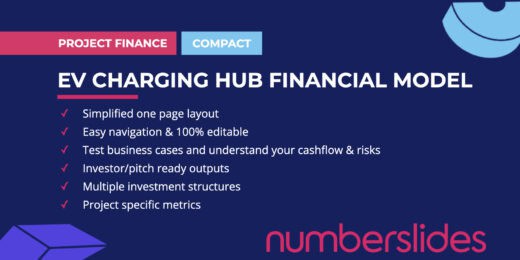

A dynamic one page EV Charging Hub financial model (up…


This is an Excel-based analysis tool for the ground-up development,…


This is a set of financial models, tools, and templates…
Financial Planning Insights for Impactful Pitch Decks

In the competitive world of startups, the pitch deck is a powerful tool that can make or break an entrepreneur's chances of securing investment. While a captivating story and innovative product are crucial, it is the financial planning aspect of a pitch deck that truly speaks to potential investors. Financial clarity not only strengthens the startup's narrative but also establishes trust and confidence with investors. In this article, we will delve deep into financial planning insights specific to pitch decks, shedding light on key performance indicators (KPIs), strategic budgeting, and the benefits of using Excel spreadsheet templates to enhance your financial presentations.
Importance of Financial Planning in Pitch Decks
Financial planning is a cornerstone of any successful pitch deck. It serves as a blueprint, giving potential investors a clear and concise view of a startup's current financial health and future profitability. Financial planning within a pitch deck outlines the revenue models, expense forecasts, and financial goals the startup intends to pursue. This clarity about financial intent is essential for aligning investors with the company’s vision and for showing a practical pathway to success.
A startup’s narrative can be significantly bolstered through financial clarity. Investors are naturally cautious, wanting assurance that their money will be invested wisely. By displaying well-thought-out financial plans, startups demonstrate diligence, maturity, and preparedness. It is one thing to have a great idea, but backing it up with concrete financial data shows that the startup is not just surviving but planning to thrive. In addition, convincing financial data is often the tipping point in securing funding, as it helps to alleviate investor uncertainty by showcasing a clear trajectory of growth and profitability.
Essential KPIs for Demonstrating Potential Success
Incorporating key performance indicators (KPIs) in pitch decks is vital for demonstrating a startup’s potential success and viability. The following KPIs are particularly critical for pitch decks:
- Customer Acquisition Cost (CAC): This metric calculates the total average cost to acquire a new customer. It helps determine the efficiency of marketing strategies and overall business sustainability.
- Lifetime Value (LTV): Expresses the total revenue expected from a customer over the entire duration of their relationship. A high LTV compared to CAC indicates strong customer retention.
- Burn Rate: Reflects how quickly a startup is spending its capital. It’s crucial for understanding financial health and longevity.
- Runway: The number of months a startup can operate before it runs out of cash, given its current burn rate. This KPI is crucial for timing investment rounds.
- Monthly Recurring Revenue (MRR) vs. Annual Recurring Revenue (ARR): Both metrics are essential for subscription-based models, providing insights into growth trends.
Calculating these metrics involves simple formulas: CAC is determined by dividing total sales and marketing expenses by the number of new customers acquired. LTV can be calculated by multiplying average purchase value, purchase frequency rate, and customer lifespan. When presented effectively, KPIs can vividly illustrate a startup’s operational and financial strengths within a pitch deck, utilizing financial ratios for deeper insights.
Strategic Budgeting to Strengthen Pitch Decks
Creating a compelling pitch deck requires a unique approach to budgeting. It’s not just about presenting data but also about telling a convincing story with strong visuals and narratives. Allocating resources for impactful visuals and narratives alongside robust financial data presentation is crucial. This requires not only designing aesthetically pleasing slides but also ensuring every piece of information contributes to reinforcing your financial insights.
Another critical area is planning for market research and competitive analysis. Understanding market trends and identifying competitive advantages are vital skills for any entrepreneur. Showcasing these in your financial models strengthens your projections. Forecasting and scenario planning emerge as powerful tools here, enhancing the credibility of financial projections by preparing for various market situations. Realistic assumptions are crucial as they demonstrate maturity and foresight, bolstering investor confidence in the startup's management capabilities.
Excel Spreadsheet Templates: Enhancing Financial Planning
Microsoft Excel remains a formidable tool in financial planning, especially for pitch decks. Its versatility allows for easy customization, aligning perfectly with the unique needs of each pitch deck. Excel's built-in functions and formulas provide robust capabilities for calculating KPIs and creating comprehensive financial statements. Plus, its user-friendly interface allows for ease of updates and real-time adjustments, a crucial feature for the dynamic needs of startups.
Opting for pre-built Excel templates offers several advantages, such as ensuring consistency in financial projections across different pitch decks and saving valuable time. With predefined structures, entrepreneurs can focus more on strategic content while reducing the risk of calculation errors. One example of a highly effective financial modeling template from eFinancialModels is the "Startup Financial Model," which includes comprehensive modules for forecasting revenue, expenses, and cash flow tailored specifically for pitch deck presentations.
Conclusion on Crafting Financially Sound Pitch Decks
In conclusion, financial planning plays an indispensable role in crafting a successful pitch deck. Clear, concise, and compelling financial data act as a magnet for engaging investors, helping present an idea in its most convincing form. Leveraging tools such as Excel spreadsheet templates enhances the accuracy and presentation of financial data, offering an edge in the competitive arena of investor pitches.
FAQ
- Why is financial clarity important in a pitch deck? Financial clarity enhances investor trust, aligns them with the startup's vision, and demonstrates a practical pathway to success.
- Which KPIs are crucial for a pitch deck? Important KPIs include Customer Acquisition Cost (CAC), Lifetime Value (LTV), Burn Rate, Runway, and Revenue Metrics like MRR and ARR.
- How can strategic budgeting improve a pitch deck? Strategic budgeting helps in resource allocation for visuals and narratives while strengthening financial data presentation for credibility with investors.
- What are the benefits of using Excel spreadsheet templates? Excel templates ensure consistency in financial projections, save time, and reduce calculation errors, enhancing the financial aspect of pitch decks.
- Can Excel templates be customized for specific needs? Yes, Excel's versatility allows for easy customization to align with the unique needs of each pitch deck.