0 ITEMS

Creating A Sales Forecast Template: A How-To Guide

Sales forecasting helps businesses predict future sales and make informed decisions.
- Analyzing past sales data reveals trends and seasonal patterns critical for accurate projections.
- Including market trends and external factors improves the reliability of your forecast.
- Defining sales assumptions like pricing changes and marketing efforts allows scenario planning.
- Regularly updating your forecast keeps it relevant amid market shifts.
- Using a structured template supports resource planning, inventory management, and financial strategies.
Continuing with practical insights, this article guides you through the core steps and best practices for effective sales forecasting.
Why is a Sales Forecast Template Important?
Introduction: Before diving into the process of creating a sales forecast template, let’s first understand why it is important for your business.
1. Gain Insight into Revenue Projection
A sales forecast template provides you with valuable insights into your revenue projection. By analyzing historical sales data, market trends, and future opportunities, you can estimate how much revenue your business is likely to generate in a given period.
By having a clear revenue projection, you can make informed decisions about budget allocation, resource planning, and sales strategies. It helps you set achievable goals and develop realistic plans to meet them.
Additionally, it allows you to identify potential gaps in revenue and take proactive measures to bridge them. This could involve adjusting pricing, exploring new markets, or launching marketing campaigns.
2. Plan Inventory and Production
Another benefit of creating a sales forecast template is that it allows you to plan your inventory and production more efficiently. By forecasting your sales volume, you can determine the amount of inventory you need to have on hand to meet customer demand.
This helps prevent stockouts or excess inventory, both of which can be costly for your business. With a sales forecast template, you can optimize your supply chain, reduce carrying costs, and maximize profitability.
Moreover, accurate sales forecasts enable you to plan your production schedule effectively. By aligning production with projected sales, you can avoid bottlenecks, optimize resource utilization, and ensure timely delivery to customers.
3. Support Financial Planning
A sales forecast template is an essential tool for financial planning. It provides the foundation for creating your budget, setting sales targets, and tracking your progress against those targets.
With accurate sales forecasts, you can estimate your expenses, plan for contingencies, and assess the financial viability of new initiatives. It enables you to allocate resources effectively and make data-driven decisions that impact the financial health of your business.
Furthermore, a sales forecast template can help you secure financing or investment. By presenting a well-defined sales projection to lenders or investors, you demonstrate the potential profitability of your business and increase your chances of obtaining the necessary funds.
The Process of Creating a Sales Forecast Template
Introduction: Now that we understand the importance of a sales forecast template, let’s delve into the step-by-step process of creating one for your business.
1. Gather Historical Sales Data
The first step in creating a sales forecast template is to gather historical sales data. This data provides the foundation for estimating future sales and identifying patterns or trends.
Collect data from your previous financial records, sales reports, or any other relevant sources. It’s essential to have a sufficient amount of data to ensure accuracy in your forecast. Ideally, you should gather data for at least the past year, but the more historical data you have, the better.
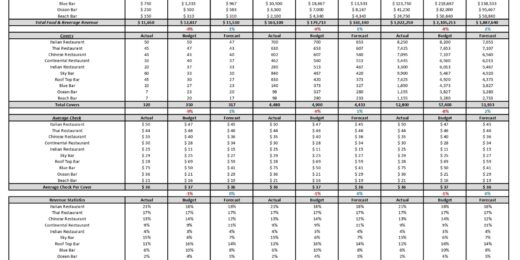
Once you have the data, organize it in a spreadsheet or any other format that is convenient for analysis. This will serve as the starting point for your sales forecast template.
2. Analyze Market Trends and External Factors
While historical sales data provides valuable insights, it’s essential to consider market trends and external factors that may influence your future sales. This could include changes in consumer behavior, economic conditions, industry trends, or competitor analysis.
Conduct market research to gather information on these factors. Look for data and reports specific to your industry or product category. This will help you identify potential opportunities or challenges in the market and make more accurate sales projections.
Integrate this information into your sales forecast template, aligning it with the corresponding time periods to gauge its potential impact on sales.
3. Define Sales Assumptions and Variables
Next, it’s important to define the sales assumptions and variables that will influence your sales forecast. This includes factors such as pricing changes, promotional activities, product launches, or any other significant events that may impact sales.
Consult with relevant stakeholders, such as sales teams, marketing departments, or product managers, to gather insights on potential changes in these variables. By involving key stakeholders, you ensure that your sales forecast template reflects the collective knowledge and expertise of your team.
Incorporate these assumptions and variables into your sales forecast template, assigning numerical values or ranges to each. This will allow you to see the impact of different scenarios on your sales projection.
4. Calculate Projected Sales
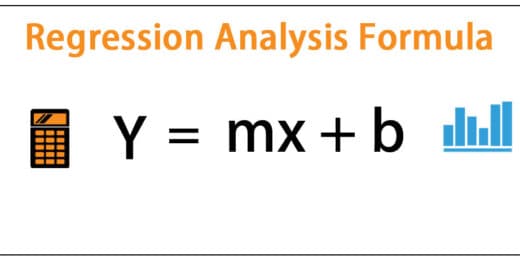
With the gathered historical data, analyzed market trends, and defined sales assumptions, you can now calculate your projected sales. This involves applying various forecasting methods, such as time-series analysis, regression analysis, or moving averages.
Choose the most appropriate method for your business based on the nature of your industry, sales patterns, and available data. If you’re unsure, consult with a data analyst or sales forecasting expert for guidance.
Implement the chosen forecasting method in your sales forecast template, utilizing the historical data, market trends, and sales assumptions to generate your projected sales figures for each time period.
5. Validate and Revise Your Sales Forecast
Once you have calculated your projected sales, it’s essential to validate and revise your forecast. Compare it against your historical sales data to assess its accuracy and make necessary adjustments.
Consider any external factors that may have a significant impact on your sales, such as upcoming market events, regulatory changes, or emerging technologies. Incorporate these considerations into your forecast, making revisions as needed.
Regularly review and update your sales forecast template to ensure it remains relevant and aligned with your business goals. Keep track of actual sales data and compare it against your forecast to measure its accuracy and identify areas for improvement.
Tips for Creating an Effective Sales Forecast Template
Introduction: To help you create an effective sales forecast template, we have compiled some useful tips and best practices that you can incorporate into your process.
1. Continuously Monitor and Update
A sales forecast template is not a one-time exercise. It should be viewed as a dynamic tool that requires regular monitoring and updating. Markets and customer behaviors can change rapidly, making it crucial to stay agile and adaptive.
Dedicate time to review your sales forecast template on a monthly or quarterly basis. Compare actual sales data with projected figures, and revise your forecast accordingly. This will ensure that your template remains accurate and aligned with the current business environment.
By continuously monitoring and updating your sales forecast template, you can make informed decisions based on real-time insights and improve the overall effectiveness of your forecasting process.
2. Involve Key Stakeholders
When creating a sales forecast template, involve key stakeholders from various departments within your organization. This includes sales teams, marketing departments, finance, and operations.
Each department can provide valuable insights and perspectives that contribute to the accuracy and effectiveness of your sales forecast. By involving key stakeholders, you ensure that your template incorporates a holistic view of the business and benefits from diverse expertise.
Encourage open communication and collaboration among stakeholders to foster a shared understanding of the sales forecast template’s purpose and impact on decision-making.
3. Utilize Technology and Automation
Technology plays a significant role in simplifying and streamlining the sales forecast template creation process. Leverage software tools or platforms designed specifically for sales forecasting to save time, enhance accuracy, and improve efficiency.
Many sales forecasting tools offer advanced functionalities such as data visualization, scenario analysis, and integration with other business systems. These features can provide deeper insights into your forecast and facilitate data-driven decision-making.
Automating certain aspects of the forecasting process, such as data collection or calculations, can free up time for more strategic analysis and decision-making. It also reduces the risk of human error and ensures consistency in your sales forecast template.
Conclusion
In conclusion, creating a sales forecast template is a valuable process that helps businesses gain insight into revenue projections, plan inventory and production, and support financial planning. By following the steps outlined in this guide and incorporating the tips provided, you can develop an effective sales forecast template that serves as a powerful tool for decision-making and strategic planning. Remember to continuously monitor and update your forecast to ensure its accuracy and relevance in the ever-changing business landscape.
Key Takeaways: Creating a Sales Forecast Template: A How-To Guide
- Understanding the importance of sales forecasting to predict future revenue.
- Gathering historical sales data and analyzing trends for accurate forecasts.
- Identifying key variables that impact sales, such as market conditions and customer behavior.
- Creating a template using spreadsheet software to organize and calculate sales projections.
- Regularly reviewing and updating the sales forecast template to reflect changing business conditions.
Frequently Asked Questions
Are you looking to create a sales forecast template? This how-to guide will provide you with valuable insights and tips to get you started. Read on to find answers to some commonly asked questions about creating a sales forecast template.
1. Why is creating a sales forecast template important?
Creating a sales forecast template is vital for businesses as it allows them to predict future sales and plan accordingly. By analyzing historical data, market trends, and other factors, a sales forecast template helps businesses make informed decisions about budgeting, resource allocation, and setting sales targets. It serves as a roadmap to guide the sales team and keeps everyone aligned with the organization’s goals.
Furthermore, having a sales forecast template helps businesses identify potential gaps and challenges in their sales strategy. It enables proactive problem-solving and empowers businesses to take corrective measures before issues escalate. Overall, creating a sales forecast template is crucial for effective sales planning and achieving business objectives.
2. What are the key components of a sales forecast template?
A sales forecast template typically includes several key components. These components are essential for accurately predicting sales and formulating effective strategies. Some of the key components of a sales forecast template are:
1. Historical Sales Data: Analyzing past sales data provides insights into seasonal variations, trends, and patterns, helping businesses make accurate predictions.
2. Market Trends: Understanding market trends, such as shifts in consumer behavior or industry developments, allows businesses to adapt their sales strategies accordingly.
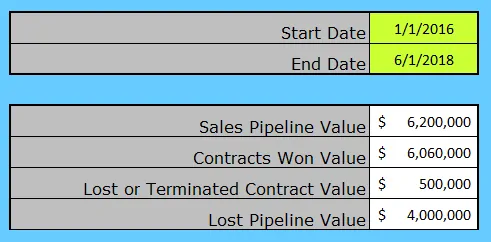
3. Sales Pipeline: Evaluating the sales pipeline and the potential value of pending deals helps forecast future sales and identify areas for improvement.
4. Marketing Efforts: Consider the impact of marketing campaigns, lead generation activities, and customer acquisition strategies on sales forecasts.
By including these key components in a sales forecast template, businesses can create a comprehensive and reliable forecast.
3. How do I gather the necessary data for my sales forecast template?
Gathering the necessary data for your sales forecast template involves a few steps:
1. Collect Historical Sales Data: Look at past sales records, invoices, and other relevant documents to gather data on previous sales performance.
2. Conduct Market Research: Explore industry reports, market trends, and competitor analysis to gain insights into external factors that may impact future sales.
3. Collaborate with Sales Team: Engage your sales team to gather information about their sales pipelines, ongoing deals, and any other qualitative data that can help inform the forecast.
4. Use CRM and Sales Tools: Leverage customer relationship management (CRM) software and other sales tools to gather data on leads, conversions, and customer behavior.
By leveraging these methods, you can gather the necessary data to create an accurate and reliable sales forecast template.
4. How often should I update my sales forecast template?
Updating your sales forecast template depends on various factors. Generally, businesses should update their sales forecast template on a regular basis, such as monthly or quarterly. However, certain circumstances may require more frequent updates.
Some situations that may require updating your sales forecast template include:
1. Significant Market Changes: If there are sudden shifts in the market, such as economic fluctuations or changes in consumer behavior, it’s essential to update your sales forecast to reflect these changes.
2. New Product Launches: When introducing a new product or service, updating your sales forecast template allows you to project sales for the new offering accurately.
3. Emerging Competitors or Industry Disruptions: If new competitors enter the market or disruptive technologies emerge, it’s important to assess their potential impact on your sales forecasts and update them accordingly.
Overall, updating your sales forecast template regularly ensures that it remains relevant and aligned with the dynamic nature of your business and the market.
5. What are some best practices for creating a sales forecast template?
Here are some best practices to consider when creating a sales forecast template:
1. Utilize Multiple Data Sources: Incorporating data from various sources, such as sales records, market research, and CRM systems, ensures a more accurate and comprehensive forecast.
2. Involve Key Stakeholders: Collaborate with sales managers, marketing teams, and finance personnel to gather insights and ensure the sales forecast template considers different perspectives.
3. Validate and Adjust: Regularly review and validate your sales forecast template using real-time sales data, and be prepared to make adjustments based on new information or market changes.
4. Track Forecast Accuracy: Measure the accuracy of your sales forecast template over time and make adjustments to improve its reliability.
By following these best practices, you can create a sales forecast template that is reliable, adaptable, and contributes to the success of your business.
Summary
Creating a sales forecast template can help you predict future sales and make better business decisions. Start by gathering historical data and analyzing trends. Then, use this information to create a template that includes sales goals, projected revenue, and expenses. Regularly review and update the template to ensure accuracy and adjust your sales strategies accordingly. By following these steps, you can improve your sales forecasting and increase the success of your business.
Remember, the key to a good sales forecast template is to be realistic and data-driven. Avoid making assumptions and base your predictions on solid evidence. With a well-designed template, you can effectively plan for the future and make informed decisions to drive sales growth.