
0 ITEMS

Sales Pipeline
A sales pipeline is a visual representation of the sales process, showing the status of various sales opportunities. Our financial model templates include sales pipeline management features, aiding in sales forecasting, resource allocation, and revenue growth.


Purpose-built Excel model to evaluate any hardware or physical product…

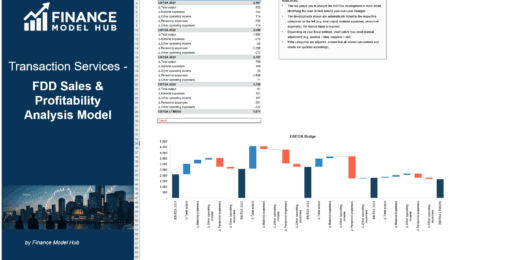

Excel-based model to analyse sales and profitability across divisions, products,…
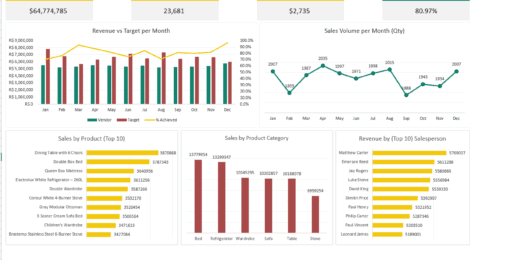

Take full control of your sales performance with this Sales…
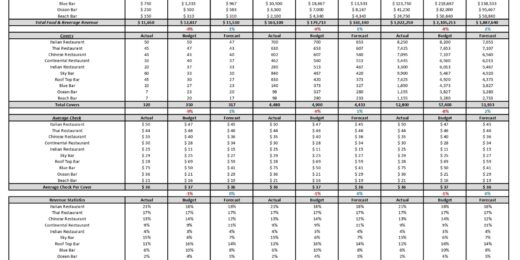

Restaurant & Bar Daily Revenue & Covers Report: Track your…


This Excel model is an adaptable and user-friendly tool designed…


This Pharma and Biotech Valuation and Financial Model Template has…


A comprehensive editable, 5-year 3 statement MS Excel spreadsheet for…

Our Supply Chain Management Dashboard is a comprehensive tool that…

Empowers your business with real-time revenue and profit insights to…

Equips businesses with actionable insights for optimizing sales strategies tailored…

A comprehensive editable, MS Excel spreadsheet for tracking Physiotherapy Clinic…




A successful, high-quality and detailed tender and proposal document that…

This Excel model is a highly adaptable and user-friendly tool…


Inventory management and planning financial model for up to 25…

Raw land development projects: The model is specifically designed for…

The Van Westendorp Price Sensitivity Meter (PSM) is a market…


Lifetime access to all future templates as well! Here is…

A high quality tender template with tips and guidance on…



Model for in depth understanding of high level profit and…

This is a tool designed to help car salespeople. The…



This is a bundle of financial model templates best suited…
This is a bundle of financial model templates best suited…


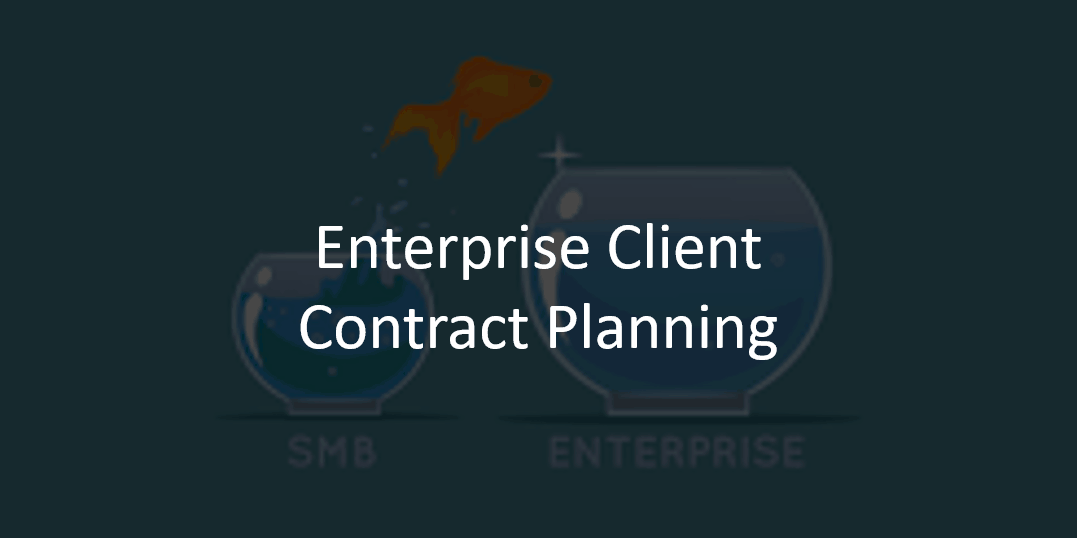
Build a cohort of enterprise clients with varying probabilities of…

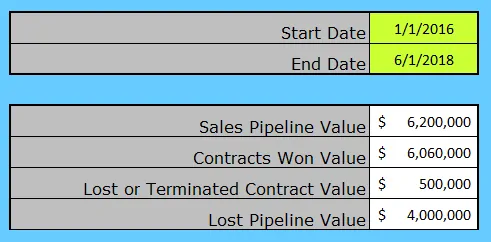
Financial Planning Insights for a Thriving Sales Pipeline

In today's dynamic business landscape, understanding and optimizing the sales pipeline is crucial for sustained revenue growth and business success. A well-managed sales pipeline not only provides a clear framework for engaging potential customers but also serves as a critical tool for financial planning and forecasting. By thoughtfully aligning your financial strategies with pipeline management, businesses can enhance both their predictive accuracy and overall profitability. This article explores essential insights into the financial planning aspects of a thriving sales pipeline, delving into key sales metrics, forecasting techniques, and the benefits of using specialized financial model templates.
Developing a robust sales pipeline is more than just capturing leads; it is about strategically managing each phase to ensure seamless transitions and maximized revenue potential. Financial planning for a sales pipeline varies depending on factors like industry nuances, market conditions, and internal business goals. However, the underlying principle remains the same: understanding pipeline dynamics and leveraging accurate forecasting to fuel business growth.
Understanding the Sales Pipeline Dynamics
The sales pipeline represents the structured journey that potential customers take, from initial contact to final purchase. This journey is vital for revenue generation as it allows businesses to visualize lead progress, allocate resources effectively, and predict future sales. While the core concept of a sales pipeline remains constant, its operation and structure can vary significantly across different industries. For instance, a B2B pipeline might involve longer negotiation and proposal stages compared to a consumer-focused pipeline, which may emphasize quick closing and follow-up initiatives.
A typical sales pipeline comprises several key stages: Lead Generation, Qualification, Proposal, Closing, and Follow-up. Each stage serves a distinct purpose; lead generation involves attracting potential customers, qualification assesses their likelihood of purchase, proposal revolves around presenting appropriate solutions like financial projections templates, closing involves finalizing deals, and follow-up ensures customer retention and satisfaction. Accurately assessing each stage is crucial for forecasting, as it enables predicting conversion rates, potential revenue, and identifying possible bottlenecks before they affect your bottom line.
Financial Planning Metrics for Sales Success
To harness the full potential of a sales pipeline, businesses must focus on key financial metrics that drive sales success. Metrics like Conversion Rates, Average Deal Size, Sales Cycle Length, Customer Acquisition Cost (CAC), and Customer Lifetime Value (CLTV) are invaluable for gauging pipeline efficiency and profitability. For example, high conversion rates suggest effective lead qualification and engagement, while an optimal average deal size highlights persuasive proposal stages. Monitoring the sales cycle length helps in assessing the efficiency of the entire process, ensuring that customers are not lost to competitors.
Tracking and analyzing these metrics require a systematic approach. Setting up dashboards for real-time monitoring is essential to gain updated insights and make informed decisions. Additionally, consistent data collection and analysis are non-negotiables for meaningful financial assessments. A well-maintained database simplifies pattern recognition and historical comparisons, allowing for more refined forecasting and strategy refinement.
Forecasting Revenue with Precision
Accurate revenue forecasting is a cornerstone of strategic financial planning, especially within the sales pipeline context. Businesses can utilize several methods to enhance forecast accuracy, including historical trend analysis, seasonality adjustments, and scenario planning. Historical trend analysis examines past sales data to predict future revenue trends, while seasonality adjustments account for fluctuating market conditions that may influence sales volume during certain periods. Scenario planning adds a layer of depth by simulating various business environments and assessing potential outcomes, thereby enabling businesses to strategize effectively.
Efficient forecasting is further supported by using MS Excel templates designed for this purpose. These templates streamline data input, automate calculations, and offer customizable frameworks tailored to diverse business needs. Importantly, revenue forecasts should be regularly updated with new data to ensure they remain relevant and reflective of current business realities, allowing businesses to pivot strategies swiftly and maintain competitive advantage.
Building a Sustainable Financial Model for the Sales Pipeline
A sustainable financial model is integral to underpinning a sales pipeline's effectiveness. Such a model should be comprehensive, integrating key components like sales forecasts, expenditures (e.g., sales staff salaries, marketing budgets), cash flow projections, and investment needs for future expansion. This multidimensional approach ensures that all financial considerations are accounted for, facilitating strategic decision-making that supports growth objectives.
The use of financial model spreadsheet templates offers numerous benefits, including ease of use, customization options, and significant time savings. Ready-made templates eliminate the need to build models from scratch, allowing businesses to focus on strategic analysis rather than structural setup. Moreover, these templates enhance accuracy in financial planning and reporting, enabling businesses to project future scenarios with greater confidence and clarity.
Conclusion: Taking Action for Optimized Financial Planning
Maximizing the effectiveness of a sales pipeline requires more than just a basic understanding of its dynamics; it necessitates a commitment to precise financial planning and forecasting. By leveraging industry-specific insights and metrics, businesses can optimize their sales processes and predict future revenue with confidence. Tailored financial models further augment this process by providing detailed and accurate financial frameworks that address every phase of the sales pipeline.
Businesses seeking to elevate their financial planning processes should consider utilizing eFinancialModels’ sophisticated financial model spreadsheet templates, specifically designed for the sales pipeline industry. Investing in a robust financial model is not merely an operational upgrade; it is a strategic move that drives profitability and growth, ensuring your sales pipeline contributes meaningfully to your organizational success.
Frequently Asked Questions about Financial Planning for Sales Pipelines
- What is a sales pipeline, and why is it important? A sales pipeline represents the structured process that potential customers go through, from initial contact to final purchase. It's important because it helps visualize lead progress, allocate resources effectively, and predict future sales.
- How does financial planning integrate with sales pipeline management? Financial planning aligns with sales pipeline management by using metrics and forecasting techniques to enhance predictive accuracy and overall profitability.
- What are the key stages of a sales pipeline? The key stages of a sales pipeline include Lead Generation, Qualification, Proposal, Closing, and Follow-up, each crucial for forecasting and improving conversion rates.
- Why are financial metrics critical in managing a sales pipeline? Financial metrics like Conversion Rates and Average Deal Size help gauge pipeline efficiency and profitability, aiding in strategic decision-making.
- What methods improve accuracy in revenue forecasting? Improved accuracy in revenue forecasting can be achieved through historical trend analysis, seasonality adjustments, and scenario planning.
- How can businesses benefit from financial model spreadsheet templates? These templates provide ease of use, customization, and enhanced accuracy, allowing for better financial planning and strategic analysis without extensive setup time.
- What does a sustainable financial model include? A sustainable financial model includes sales forecasts, expenditures, cash flow projections, and investment needs to ensure comprehensive financial planning.
- Why is regular updating of revenue forecasts necessary? Regular updates with new data ensure that forecasts remain relevant and reflective of current business realities, aiding in timely strategic pivots.