0 ITEMS

Exciting 3D Printer Business Ideas to Ignite Your Entrepreneurial Spirit

The growth of the 3D printing industry offers a variety of business opportunities across sectors like jewelry, architecture, education, healthcare, and home decor.
- The global market is expected to surpass $55 billion by 2027, driven by technological innovations and increasing demand for customization.
- Common business ideas include personalized products, rapid prototyping services, and eco-friendly manufacturing solutions.
- 3D printing allows for faster production, lower costs, and highly customizable offerings, appealing to niche markets and consumer preferences.
- Using sustainable materials and eco-friendly practices can boost brand reputation and meet growing environmental standards.
- Starting a 3D printing business involves key considerations like equipment, software, market research, and effective marketing strategies.
This article provides insights into market potential, key sectors, and practical steps to launch and grow a successful 3D printing venture.
Overview of 3D Printer Business Ideas
| Business Idea | Description | Target Market |
|---|---|---|
| Customized Manufacturing | Create bespoke items tailored for specific customers, such as jewelry, gifts, and more. | Individuals and gift shops |
| Prototyping Services | Offer rapid prototyping services for businesses looking to create and test their designs. | Startups and established companies in product development |
| Educational Models | Design and sell 3D printed educational materials and models for schools and universities. | Educational institutions |
| Medical Devices | Produce customized medical supplies and prosthetics tailored to individual patients. | Healthcare institutions and individual patients |
| Architectural Models | Provide detailed architectural models for builders and real estate developers. | Architecture firms and real estate developers |
This table summarizing potential 3D printing business ideas provides insights into various niches you can explore. Each of these concepts resonates with market trends and consumer demands for personalization, speed, and innovation. With the right combination of creativity, technological know-how, and an understanding of your target market, you can effectively leverage these opportunities to forge a successful business in the thriving 3D printing era. Let your imagination and entrepreneurial spirit drive you into this fascinating new landscape of possibilities.
3D Printing and the Future of Custom Jewelry
3D printing has revolutionized the jewelry industry, enabling artisans to craft unique and personalized pieces that truly stand out in a crowded marketplace. By leveraging various materials such as metals, resins, and biodegradable plastics, jewelry makers can create intricate and stylish designs that resonate with environmentally conscious consumers. This innovation has transformed how customers perceive and interact with jewelry, fostering a deep emotional connection through customization.
Many successful businesses have embraced 3D printing technology to enhance their offerings. For example, companies like Nervous System and BRAGI have gained acclaim for their uniquely designed, customizable jewelry pieces that utilize cutting-edge 3D printing techniques. These businesses showcase how creativity can combine with technology to produce beautiful, one-of-a-kind items that cater to personal tastes.
To guide potential jewelry designers in their endeavors, here is a curated list of suggested materials and techniques for 3D printed jewelry:
Suggested Materials for 3D Printed Jewelry
- Gold and Silver
- Stainless Steel
- Brass and Bronze
- Resin (various colors and finishes)
- Biodegradable Plastics (such as PLA)
- Ceramics
- Wood Filament
Choosing the right materials is fundamental in creating outstanding pieces. Each has its own aesthetic and tactile qualities, which can greatly influence the final design and appeal of the jewelry. Additionally, combining materials can yield stunning effects, offering customers exclusive options. As artisans explore these material choices, they should also consider employing distinct techniques that can enhance their jewelry creations.
Techniques for 3D Printing in Jewelry Design
- Selective Laser Sintering (SLS)
- Stereolithography (SLA)
- Direct Metal Laser Sintering (DMLS)
- Fused Deposition Modeling (FDM)
- Lost-Wax Casting for Metal Prints
Understanding these techniques can significantly impact the design process and the quality of the final product. Each method offers distinct advantages, such as precision and material variety, which can be tailored to meet specific design goals. Embracing these techniques allows artisans to push the boundaries of creativity, leading to innovative and captivating pieces that will attract consumers.
Investing in a well-structured pricing strategy is crucial for success in the competitive world of 3D printed jewelry. Here’s a comparison table that illustrates potential costs and pricing strategies for different types of jewelry pieces:
Cost and Pricing Comparison for 3D Printed Jewelry
| Type of Jewelry | Average Production Cost ($) | Potential Retail Price ($) | Profit Margin (%) |
|---|---|---|---|
| Custom Rings | 30 – 100 | 80 – 250 | 60 – 70% |
| Pendants | 20 – 70 | 50 – 150 | 50 – 65% |
| Bracelets | 25 – 90 | 60 – 180 | 55 – 70% |
| Earrings | 15 – 50 | 40 – 120 | 60 – 75% |
When setting prices, it is essential to take into consideration production costs, market demand, and consumer perception of value. A well-thought-out pricing strategy can not only maximize profit margins but also enhance customer satisfaction and loyalty. By understanding how to position their products effectively, jewelry designers can create a sustainable business model that thrives in the ever-evolving landscape of 3D printing.
To further engage consumers, consider creating an online platform where they can customize their jewelry designs or modify existing templates. This interactive shopping experience not only fosters creativity but also enables customers to establish a personal connection with the pieces they choose, ultimately adding value to the entire purchasing experience.
In summary, 3D printing presents exciting opportunities for jewelry artisans willing to innovate and personalize their offerings. With diverse materials, advancing techniques, and strategic pricing, the potential for success in the jewelry market is vast.
Transforming Architecture with 3D Printing
The architectural industry is undergoing a significant transformation thanks to the advancements of three-dimensional (3D) printing technology. This innovative method enables architects and builders to produce highly detailed and realistic models of their designs. By providing a service that converts blueprints into tangible prototypes, professionals can greatly assist clients during the planning and design stages of projects. Furthermore, 3D printed models serve not only as functional visual aids during presentations but also as efficient tools in the development process, ultimately saving time and reducing costs.
Research indicates that integrating 3D printing into the architectural workflow can reduce project timelines by as much as 50%. This not only leads to faster project initiation times but also enhances the overall efficiency of project development. This technology appeals broadly to various stakeholders in the architecture and construction sectors including architects, real estate developers, and even educational institutions.
To further understand the benefits of utilizing 3D printed models in architecture, consider the following advantages:
Advantages of Using 3D Printed Models
These advantages underscore why professionals in the architectural realm should consider adopting 3D printing technology.
- Cost Savings: Reducing material waste and minimizing manual labor can lead to significant reductions in overall project costs.
- Speed: The rapid creation of prototypes enables quicker decision-making and adjustments during the design process.
- Enhanced Visualization: 3D models provide a clearer representation of the final product for stakeholders, making it easier to visualize the project’s true potential.
- Customization: 3D printing allows for easy alterations to designs in response to the changing needs of clients.
- Complex Geometry: The technology can create intricate designs that would be difficult or impossible to achieve with traditional construction methods.
These benefits exemplify how 3D printing can revolutionize the way architecture is approached. The significant cost reductions along with the boosted speed of project delivery not only improve business operations but also enhance client satisfaction. Taking into account the enhanced visualization, professionals can communicate ideas more effectively, leading to better adjustments and innovative designs.
Comparative Analysis: Traditional Prototyping vs. 3D Printing
To illustrate the stark differences between traditional prototyping methods and the advantages of 3D printing, the following table provides a side-by-side comparison:
| Criteria | Traditional Prototyping | 3D Printing |
|---|---|---|
| Cost | Higher due to material waste and labor | Lower due to minimal waste and faster production |
| Speed | Longer lead times | Rapid production |
| Complexity | Limited to feasible manual labor capabilities | Can create complex geometries easily |
| Customization | Complex and often expensive alterations | Easy and cost-effective modifications |
| Visualization | Less realistic, often requires sketches or basic models | Highly detailed and accurate representations |
As demonstrated, 3D printing surpasses traditional prototyping methods in virtually every metric. The combination of cost-effectiveness, speed of production, and enhanced customization capabilities allows architectural practices to elevate their service offerings significantly. Embracing this technology is not just a trend, but a strategic move toward improving project efficiencies and outcomes.
In summary, the integration of 3D printing into architectural practices is more than just a novel approach; it is a pivotal advancement that can reshape how projects are conceptualized and executed. As the technology evolves, professionals who adapt will find themselves at a competitive advantage, capable of delivering not only on cost and time but also on innovation and quality.
Innovative 3D Printed Educational Kits for Enhanced Learning
Educational institutions are continually searching for innovative tools that foster student engagement and enhance learning experiences. One promising avenue for educators is the development of 3D printed educational kits. These kits can include a variety of items tailored to specific subjects, alleviating the traditional reliance on passive learning methods. Some prominent examples of successful 3D printed educational kits have been the anatomical models for biology classes, cartography tools for geography studies, and engineering prototypes for hands-on technical assignments.
By designing and offering these 3D printed kits to schools and colleges, you can engage a new market while facilitating interactive learning that enhances students’ comprehension. Furthermore, an online store dedicated to these kits would allow educators to order materials aligned with their curriculum needs, cultivating a more hands-on and practical approach to education.
Successful Examples of 3D Printed Educational Kits
There have been numerous successful applications of 3D printed educational kits in schools and universities, illustrating the effectiveness of interactive learning tools. Some notable examples include:
- A 3D printed human skeleton model: This kit allows biology students to study the human anatomy in depth, promoting a practical understanding of skeletal structures.
- Geographical models: These tools enable geography teachers to create physical representations of terrains, making complex geographical concepts more accessible to students.
- Engineering prototypes: Students in engineering disciplines can benefit from building their prototypes, which enhances problem-solving skills and encourages innovation.
- Mathematical shapes: Used in mathematics classes, these kits assist students in visualizing geometric principles, furthering their understanding and retention of mathematical concepts.
- Ecological diagrams: These can help illustrate ecosystems and biodiversity, aiding students in grasping complex environmental topics.
The examples above showcase how 3D printing can transform conventional subject matter into dynamic learning experiences that excite students and deepen their understanding. By utilizing these hands-on kits, educators can inspire curiosity and make abstract concepts more tangible.
Benefits of 3D Printing in Education
The integration of 3D printing technology in the educational sector offers numerous advantages that enhance learning experiences. Understanding these benefits is critical for both educators and entrepreneurs looking to enrich the educational landscape:
| Benefit | Description |
|---|---|
| Increased Engagement | Students are more likely to engage with subjects when practical applications are incorporated, making learning enjoyable and relevant. |
| Enhanced Understanding | Visual and tactile learning aids foster improved comprehension of complex subjects and theories. |
| Encouragement of Collaboration | Hands-on projects promote teamwork, as students collaborate to design, construct, and analyze projects together. |
| Innovation and Creativity | Students develop critical thinking and problem-solving skills when presented with projects that require creativity. |
| Cost-Effectiveness | 3D printing can often reduce the costs associated with traditional educational materials, making them more accessible to schools. |
The benefits listed above render 3D printed educational kits a revolutionary asset within today’s classrooms. By investing in educational models that leverage 3D technology, institutions can foster an enriching environment that cultivates creativity, critical thinking, and a passion for learning among students. As these tools become increasingly established, the opportunities for interactive learning will expand, creating a dynamic shift in education foremost in engaging students and enhancing their academic journey.
Educator Testimonials
Many educators have experienced firsthand the transformative impact of 3D printed kits on their teaching methods and their students’ learning. Here are some testimonials that illustrate these benefits:
*”The 3D anatomy models we introduced to our biology curriculum have completely changed the way my students learn. They are more engaged than ever, and their understanding of body systems has deepened.”* – Sarah, High School Biology Teacher.
*”Using 3D printed maps in geography lessons has made abstraction concrete for my students. They can physically touch the mountains and rivers, which enhances learning significantly.”* – Mark, Middle School Geography Teacher.
In conclusion, investing in 3D printed educational kits is not just an opportunity to profit; it is a chance to contribute meaningfully to the educational landscape. By facilitating hands-on learning experiences, you can empower educators and students alike, creating pathways for success through engagement and interactivity.
Transforming Spare Parts Availability through On-Demand 3D Printing
In many industries, particularly manufacturing and automotive, businesses face significant challenges when it comes to sourcing spare parts. These challenges often manifest as long wait times and inflated costs. For example, traditional manufacturing processes can take several weeks to produce custom parts, which may cost businesses upwards of thousands of dollars. In contrast, on-demand 3D printing offers a rapid and cost-effective alternative. By employing this technology, businesses can streamline their operations, reduce waste, and respond swiftly to their spare parts needs.
Average Wait Times and Costs
The disparity in wait times and costs between traditional manufacturing and 3D printing is stark. Below is a comparison of typical turnaround times and costs for spare parts in both methods:
| Manufacturing Method | Average Wait Time | Average Cost |
|---|---|---|
| Traditional Manufacturing | 2-6 weeks | $1,000 – $5,000+ |
| 3D Printing | 24 hours – 1 week | $100 – $500 |
This table clearly illustrates the efficiency and cost-effectiveness of 3D printing over traditional manufacturing methods. Not only does 3D printing drastically cut the wait time—from weeks to just a few days or even hours—but it also significantly lowers costs. This advantage positions your business as a crucial player in the supply chain, enabling faster decision-making and better customer satisfaction.
Industries Benefiting from On-Demand 3D Printing
3D printing technology caters to a variety of sectors, each experiencing unique challenges that can be alleviated through on-demand solutions. Some key industries that stand to benefit the most include:
- Automotive: Quick replacements for critical parts and prototypes.
- Aerospace: High-complexity parts delivered rapidly to minimize downtime.
- Manufacturing: Customized components tailored to specific needs without long lead times.
- Healthcare: Patient-specific prosthetics or surgical instruments designed on-demand.
- Consumer Goods: Personalized product designs that cater to unique customer requirements.
By targeting these industries, businesses can enhance their customer base while establishing a reputation for reliability and innovative solutions. The flexibility offered by 3D printing allows companies to cater to the specific demands of each sector, ultimately fostering long-lasting partnerships.
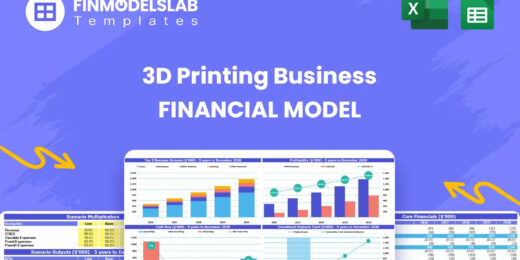
In conclusion, the introduction of on-demand 3D printing into the supply chain is not just a technological advancement; it is a strategic move that can save time, reduce costs, and minimize waste. As businesses from varied industries become increasingly aware of the benefits of this technology, your venture positioned as a provider of 3D printed components can emerge as a trusted partner, ready to meet the evolving demands of the market. Consider learning more about integrating sophisticated financial modeling into your 3D printing business for optimal resource allocation and growth—check out our dedicated section on [3D Printing financial models](https://www.efinancialmodels.com/downloads/category/financial-model/manufacturing/3d-printing/) to explore tailored solutions.
The Impact of 3D Printing in the Home Decor Market
The home decor market stands on the brink of a transformative shift thanks to the revolutionary capabilities of 3D printing. This cutting-edge technology opens up a world of possibilities for creating unique and customized decor items, appealing to diverse clientele. Manufacturers and retailers can take advantage of the flexibility that 3D printing offers, enabling them to create products specifically tailored to the preferences of their customers.
Examples of 3D Printed Home Decor Items
Some examples of home decor items that can be produced using 3D printing include:
- Light fixtures with intricate designs
- Customized wall art and sculptures
- Unique furniture pieces like chairs and tables
- Decorative vases and planters
- Functional items such as coasters and candleholders
Incorporating 3D printed items into your product lineup not only positions your brand as innovative but also as responsive to the evolving tastes of consumers. Furthermore, personalized items can create a deeper emotional connection between customers and your brand.
Advantages of Using 3D Printing for Home Decor
There are numerous advantages to implementing 3D printing technology in the home decor industry. Here are some key benefits:
- Individuality: Unique designs that cannot be found in mass-produced items.
- Customization: Clients can personalize products to match their specific aesthetic preferences.
- Sustainability: Reduced waste since 3D printing optimally uses materials and can often incorporate recycled materials.
- Rapid Prototyping: Quickly iterate designs and bring new products to market in a shorter timeframe.
- Cost-Effectiveness: Lower production costs for small batches without compromising quality.
The utilization of 3D printing facilitates the development of home decor items that are not only unique but also eco-friendly, appealing to a growing demographic that prioritizes sustainability. By harnessing these advantages, businesses can differentiate themselves from competitors and better meet the needs of their customers.
Cost Comparison: Traditional vs. 3D Printed Items
To further illustrate the financial advantages of transitioning to 3D printing, the table below compares the costs associated with traditional manufacturing methods versus 3D printing for a selection of home decor items.
| Item | Traditional Manufacturing Cost | 3D Printing Cost |
|---|---|---|
| Light Fixture | $150 | $80 |
| Wall Art | $100 | $50 |
| Custom Chair | $200 | $120 |
As depicted in the table, 3D printing can significantly lower production costs for a variety of home decor items. The competitive pricing allows for greater profit margins while still delivering unique products that can attract customers. This cost efficiency, combined with creative potential, makes 3D printing an invaluable asset in the contemporary home decor landscape.
In conclusion, the integration of 3D printing into the home decor industry is not merely a trend; it is a strategic advantage that can boost differentiation and profitability. By offering individualistic, customizable products and capitalizing on the environmental benefits of additive manufacturing, businesses can forge deeper connections with their customers and reinforce their market positioning. Embracing these changes paves the way for innovative and sustainable growth in a dynamic consumer landscape.
3D Printing: Revolutionizing Surgical Procedures in Healthcare
In the medical field, three-dimensional (3D) printing has emerged as a transformative technology, fundamentally changing how healthcare professionals prepare for surgical procedures. This innovative technique facilitates the creation of highly detailed and precise models that enable surgeons to plan and execute complex operations with enhancing accuracy. According to recent studies, hospitals that incorporate 3D printing into their surgical practices have reported improved surgical outcomes, reduced operation times, and minimized complications.
For instance, a study by the American Institute of Aeronautics and Astronautics noted that surgeons utilizing 3D-printed models were able to reduce operation times by 20% to 30%. Furthermore, a separate report indicated that patient-specific surgeries led to a decrease in hospital readmission rates by an impressive 10%. These statistics underscore the significant impact of personalized surgical planning and execution through 3D printing technology.
One of the standout advantages of 3D printing is the ability to create tailored solutions, specifically designed for individual patients. Here are some of the types of medical models that can be produced using 3D printing:
- Patient-specific anatomical models
- Custom surgical instruments
- Complex organ replicas for pre-operative planning
- Prosthetics and orthotics
- Dental implants and custom braces
- Bioprinted tissues for regenerative medicine
Creating these models allows medical professionals to visualize the anatomy of their patients more clearly than traditional imaging methods alone. This enhanced understanding aids in planning surgical approaches, resulting in greater precision during procedures.
Moreover, the economic implications of 3D printing in healthcare are noteworthy. A table displaying the potential cost savings associated with using 3D models compared to traditional methods reveals the financial benefits of adopting this technology:
| Method | Average Cost Per Surgery | Time Saved | Potential Cost Saving |
|---|---|---|---|
| Traditional Methods | $15,000 | 0 hours | N/A |
| 3D Printing | $12,000 | 2 hours | $3,000 |
The data in this table demonstrate that incorporating 3D printing can lead to significant savings in surgery costs while simultaneously enhancing patient care. By utilizing 3D models, healthcare providers can operate more efficiently, minimizing resource expenditure while improving treatment effectiveness.
Establishing partnerships with hospitals and clinics not only opens up new revenue streams for 3D printing businesses but also plays a crucial role in advancing patient care. By fostering collaboration within the healthcare ecosystem, companies can contribute to better surgical outcomes, establish their reputations, and build sustaining relationships within the community. As the healthcare landscape becomes increasingly competitive, staying ahead with cutting-edge technology like 3D printing can distinguish providers, ultimately leading to a healthier future for patients.
The Rise of Customizable 3D Printed Educational Toys
The demand for unique, customizable toys has experienced remarkable growth, especially in the educational sector. As parents increasingly seek toys that not only entertain but also facilitate learning, the opportunity for innovation through 3D printing has become more pronounced. By designing 3D printed toys that can be personalized in terms of design, color, and size, creators can cater to the varied tastes of both children and their parents.
To illustrate the potential of this market, numerous examples of successful 3D printed toys have emerged, demonstrating the appeal of customization. For instance:
Examples of Successful 3D Printed Toys
1. **Bunny Buddy**: A customizable bunny figurine that allows children to select colors and accessories, promoting creativity.
2. **Puzzle Blocks**: These blocks can be configured into various shapes, helping children develop spatial awareness and problem-solving skills.
3. **Personalized Action Figures**: Kids can create their own superhero figures by selecting different features, sparking imaginative play.
4. **Teething Toys**: Customized designs for teething toys that offer different textures and shapes, appealing to both babies and their parents.
5. **Learning Games**: 3D printed board games that incorporate educational components, making learning fun and interactive.
In addition to these examples, parents look for specific features when considering educational toys. Understanding these key factors can guide creators in producing products that resonate with parents.
Key Factors Parents Look for in Educational Toys
Parents often evaluate toys based on their educational value and suitability for their children’s developmental stages. Below are some critical factors parents consider:
- Safety: Materials used should be non-toxic and durable.
- Educational Value: The toy should encourage cognitive development through problem-solving and creativity.
- Customizability: Parents appreciate toys that can be personalized to fit a child’s interests.
- Developmental Appropriateness: Toys should suit the child’s age and developmental stage.
- Durability: Products should withstand wear and tear, ensuring longevity.
Understanding these factors helps toy designers create products that are not only appealing but also practical for everyday use. By addressing safety and educational value, creators can build trust and loyalty among parents, further enhancing the attractiveness of 3D printed toys.
Comparison: 3D Printed Toys vs. Traditional Options
A table comparing the features of 3D printed toys with traditional options shows the advantages of customization that 3D printing offers.
| Feature | 3D Printed Toys | Traditional Toys |
|---|---|---|
| Customization | Highly customizable in design, size, and color | Limited customization options |
| Material Safety | Can use eco-friendly and non-toxic materials | Varies by manufacturer |
| Learning Potential | Often more focused on passive play | |
| Durability | Can be superior due to material choices used | Varies; some may not withstand heavy use |
| Production Time | Faster prototyping and production times | Longer due to traditional manufacturing processes |
The comparison table demonstrates clear advantages for 3D printed toys, especially in terms of customization and safety. Not only can manufacturers quickly adapt designs based on consumer feedback, but they can also use materials tailored to meet health standards effectively. This positions 3D printed toys as not just a passing trend but a significant player in the toy market.
In conclusion, the surge in demand for unique, customizable educational toys represents a significant opportunity for businesses willing to innovate through 3D printing. By focusing on the key factors parents seek and understanding the advantages over traditional toys, creators can tap into a lucrative market while fostering children’s growth through engaging play. Moreover, utilizing platforms such as [eFinancialModels.com](https://www.efinancialmodels.com/downloads/category/financial-model/manufacturing/3d-printing/) can support designers in developing financially sound strategies for this exciting venture.
The Impact of 3D Printing on the Fashion Industry
The fashion industry has seen significant advancements through the integration of 3D printing technology, which has resulted in groundbreaking changes in materials, design capabilities, and consumer experience. Many brands are successfully utilizing 3D printing to create unique fashion accessories and innovative clothing items. By collaborating with designers, businesses can offer custom fashion pieces that revolutionize personal style, set themselves apart in a crowded market, and provide consumers with tailored shopping experiences.
Successful Brands Using 3D Printing in Fashion
Several leading brands have embraced 3D printing, showcasing its potential to enhance creativity and sustainability in fashion. Here are a few noteworthy examples:
- Adidas: The company has launched its Futurecraft series, incorporating 3D-printed elements into shoe designs for improved performance and customization.
- UNIFORM: This brand focuses on creating bespoke fashion accessories, allowing customers to personalize their pieces through innovative 3D printing techniques.
- Iris van Herpen: The designer is renowned for her use of 3D printing to create intricate garments that blend fashion with technology.
- Stratasys: A leader in 3D printing technology, Stratasys collaborates with fashion designers to explore new possibilities in material innovations and design capabilities.
These brands exemplify how 3D printing is transforming the fashion landscape by enabling innovative design processes and consumer customization. By leveraging this technology, they successfully engage with consumers in ways that traditional methods cannot satisfy, fostering brand loyalty and attracting a more diverse customer base.
Benefits of 3D Printed Fashion Accessories
The adoption of 3D printing in fashion introduces several advantages that transform how businesses can operate and offer products. Here are some key benefits:
- Customization: 3D printing allows for bespoke designs that cater to individual preferences, enabling brands to create unique pieces for each consumer.
- Material Innovation: The technology supports the use of diverse materials, opening doors for sustainable options and intricate designs that cannot be achieved with traditional methods.
- Reduced Waste: By creating items on-demand, 3D printing minimizes excess production and waste, contributing to more sustainable practices in the fashion industry.
- Design Freedom: Designers are not constrained by traditional manufacturing limits, allowing for more creative and innovative expressions in their collections.
- Faster Production: The speed of 3D printing can significantly shorten the product development cycle, allowing brands to respond quickly to trends and consumer demands.
These benefits illustrate how adopting 3D printing technology can not only enhance the creative process for designers but also align with modern consumer values such as sustainability and personalization. As brands continue to explore the advantages of 3D printing, the trend is likely to accelerate even further.
Material Comparison: Traditional vs. 3D Printed Fashion Pieces
This comparison table outlines the significant differences between materials typically used in traditional fashion manufacturing and those utilized in 3D printing. Understanding these distinctions is essential for grasping the potential impact on design and sustainability in the fashion industry.
| Material Aspect | Traditional Fashion Manufacturing | 3D Printed Fashion |
|---|---|---|
| Variety | Limited to available fabrics and blends | Can utilize a wide range of polymers, metals, and even recycled materials |
| Customization | Standard sizes and designs | Bespoke designs tailored to individual preferences and measurements |
| Production Waste | High due to off-cuts and excess production | Minimal as items are made on-demand |
| Complexity | Limited to conventional patterns and cutting techniques | Allows for intricate designs that can be created digitally |
| Environmental Impact | High carbon footprint due to production processes | Potentially lower footprint through on-demand production and sustainable materials |
The differences highlighted in this table demonstrate how 3D printing offers innovative solutions that can address many challenges faced by traditional fashion manufacturing. By utilizing environmentally friendly materials, enhancing customization, and reducing waste, 3D printing stands to shape the future of fashion significantly.
In conclusion, the integration of 3D printing technology into the fashion industry is not just a trend but a significant evolution that fosters creativity, sustainability, and personalized consumer experiences. As more brands embrace this technology, we can expect a shift towards more sustainable practices and innovative designs that cater to the diverse preferences of modern consumers.
Harnessing the Intersection of Technology and Creativity with 3D Printing
3D printing has revolutionized the world of art, providing artists with the ability to create complex and intricate sculptures that were previously considered unattainable. This technological innovation has opened new avenues for creativity and artistic expression. By launching a service tailored to artists eager to materialize their visions, you can effectively position yourself at a compelling intersection of technology and artistry. The potential for collaboration is immense, whether it involves partnering with artists on unique installations or producing your own artworks for sale.
Collaborations between 3D printing services and artists have led to groundbreaking creations across various artistic disciplines. Successful partnerships not only enhance the creative process but also demonstrate the substantial impact that 3D technology has on contemporary art. Here are some notable insights into successful collaborations:
Successful Collaborations in 3D Printing
- Artist Platforms: Many artists are utilizing 3D printing services to expand their portfolios, gaining access to complex geometries and designs that traditional methods cannot achieve.
- Material Diversity: Collaborations enable the exploration of various materials, such as biodegradable plastics and metals, allowing artists to push the boundaries of their creations.
- Customization: The ability to customize designs leads to highly personalized pieces, making art more relatable and unique.
- Exhibition Opportunities: Partnering with 3D printing services can facilitate opportunities for artists to showcase their work in exhibitions, demonstrating the merger of technology and art.
- Artistic Innovation: These collaborations often spark innovative ideas, leading to new styles and techniques that blend traditional artistry with modern technology.
The synergy established through collaborations has allowed artists to enhance their practices and take advantage of the opportunities afforded by advances in technology. Artists can now create dynamic pieces that engage viewers and showcase the limitless potential of their craft.
Technical Aspects of 3D Printing Enhancing Artistic Creation
To truly understand how 3D printing can enhance artistic creation, consider the following technical aspects that define its effectiveness:
| Technical Aspect | Description |
|---|---|
| Precision | 3D printing allows for high precision in design, enabling artists to create intricate details that are often unattainable through traditional methods. |
| Rapid Prototyping | Artists can quickly prototype designs, facilitating experimentation and iteration, which is crucial in the creative process. |
| Cost Efficiency | With reduced material waste and lower labor costs, 3D printing can be more economical for artists, allowing for more frequent experimentation. |
| Accessibility | 3D printing technology has become increasingly accessible, allowing artists of all backgrounds to experiment with their designs. |
| Integration with Digital Tools | The fusion of 3D printing technology with digital design tools enables artists to create and visualize their ideas before physical production. |
The technical advantages of 3D printing provide artists with a comprehensive toolkit that fosters innovation and creativity. With its high precision and rapid prototyping capabilities, artists can engage more thoroughly in the creative process, enabling them to turn their ideas into tangible pieces of art more efficiently than ever before.
In conclusion, the advent of 3D printing has transformed the landscape of contemporary art. As artists embrace this technology, they open themselves up to a realm of possibilities that blend creativity with technical advancement. By establishing partnerships with 3D printing services, artists not only enhance their ability to create but also redefine the boundaries of artistic expression. The combination of technical proficiency and artistic vision is paving the way for a new era of creativity that promises an exciting future for the art world.
For more insights into the potential of 3D printing in creative industries, check out our extensive range of financial models designed specifically for the manufacturing sector, which includes [3D Printing models](https://www.efinancialmodels.com/downloads/category/financial-model/manufacturing/3d-printing/).
Embracing Eco-Friendly Practices in 3D Printing
As environmental concerns continue to grow, it has become imperative for businesses to seek sustainable solutions across all sectors, including the realm of 3D printing. Enterprises can greatly benefit from specializing in eco-friendly materials and implementing recycling initiatives, effectively attracting environmentally conscious consumers. By developing a diverse product range made from recycled or biodegradable materials, companies not only contribute positively to the planet’s health but also elevate their brand image within a competitive market landscape.
Popular Eco-Friendly Materials for 3D Printing
When considering eco-friendly materials for 3D printing, various options stand out due to their sustainability and effectiveness. Here are some specific examples:
- PLA (Polylactic Acid): A biodegradable plastic derived from renewable resources like corn starch or sugarcane, making it a popular choice for eco-conscious printing.
- Recycled PETG (rPETG): Manufactured from recycled PET plastics, this material combines sustainability with durability, ideal for functional prototypes.
- Wood Filament: Composed of a blend of PLA and finely powdered wood, this material gives a wooden finish and feel, suitable for decorative items.
- Bio-based Nylon: Produced using bio-based materials, this nylon variant offers high strength while being less harmful to the environment.
- TPU (Thermoplastic Polyurethane): A flexible and recyclable material often used for various applications, enabling durability without sacrificing eco-friendliness.
The increasing demand for eco-friendly materials highlights not only the consumers’ shift towards sustainability but also the innovation in 3D printing technologies. By integrating these materials into production processes, companies can position themselves as leaders in sustainability, meeting the expectations of a more environmentally aware audience.
Benefits of Eco-Friendly Practices in Business
Implementing eco-friendly practices in business comes with various advantages that extend beyond mere compliance. Below are some of the key benefits that companies can anticipate:
- Attracting New Customers: Eco-conscious consumers are often willing to pay a premium for products that are environmentally friendly.
- Improved Brand Image: Aligning with sustainable practices enhances a company’s reputation and strengthens brand loyalty.
- Cost Savings: Adoption of efficient materials and processes can lead to reduced production costs in the long run.
- Regulatory Compliance: As environmental regulations tighten, businesses that preemptively adopt eco-friendly measures are more likely to avoid penalties.
- Innovation and Competitiveness: Focusing on sustainability often drives innovation, keeping businesses ahead in a rapidly evolving market.
The benefits outlined above underscore the multifaceted advantages associated with eco-friendly practices in business. By embracing sustainability, companies can unlock new market opportunities while establishing a repurposed relationship with existing customers, reinforcing their commitment to environmental responsibility.
Comparing Environmental Impact: Traditional vs. 3D Printing Methods
To understand the broader implications of adopting 3D printing methods over traditional manufacturing, consider the following comparison:
| Aspect | Traditional Manufacturing | 3D Printing |
|---|---|---|
| Material Waste | High – Often cuts excess material from larger blocks. | Low – Layer-by-layer construction minimizes waste. |
| Energy Consumption | High – Requires significant energy for manufacturing processes. | Lower – Generally consumes less energy over the production cycle. |
| Carbon Footprint | Higher – Due to extensive transportation and logistics. | Reduced – Localized production decreases transportation needs. |
| Customization Flexibility | Limited – Customization often involves significant redesign. | High – Easily accommodates complex and custom designs. |
This comparison provides valuable insights into the sustainability of 3D printing relative to traditional manufacturing methods. As the industry moves towards a greener future, the advantages of 3D printing — particularly in terms of material waste, energy consumption, and carbon footprint — become apparent, emphasizing the need for businesses to adapt to these innovative and eco-friendly practices.
By integrating 3D printing technologies and opting for sustainable materials, businesses can forge a pathway towards not only environmental responsibility but also long-term economic viability and resilience. The conscious choice of incorporating eco-friendly resources will not only cultivate brand loyalty but also contribute positively to the collective efforts of combating climate change.
Exploring the Exciting Opportunities in the 3D Printing Business
Diving into the world of 3D printing opens the door to a myriad of innovative business ideas that cater to diverse markets. As an aspiring entrepreneur, embracing creativity and consumer demands is essential for carving out a successful niche in this rapidly evolving industry. Here, we will explore various business opportunities within the 3D printing realm, demonstrating how you can leverage your interests and skills to make a significant impact.
Potential Business Ideas in 3D Printing
To provide a clearer perspective, here is a list of exciting business opportunities you could consider:
- Customized Jewelry: Create unique, personalized jewelry pieces tailored to individual tastes, using advanced printing techniques that allow for intricate designs.
- Innovative Educational Tools: Design and produce educational aids that enhance learning, such as 3D models for anatomy, geography, or engineering concepts.
- Eco-Friendly Solutions: Develop sustainable 3D printed products, from biodegradable items to items made from recycled materials, appealing to environmentally conscious consumers.
- Engaging Toys: Create customizable and interactive toys that spark creativity and offer educational benefits for children.
- 3D Printed Prosthetics: Innovate in the healthcare sector by producing affordable, personalized prosthetics utilizing 3D printing technology.
- Architectural Models: Offer services to architects and developers who need precise and tangible models for presentations or client meetings.
Each of these business ideas effectively showcases the versatility of 3D printing technology. By focusing on customer needs and preferences, you can tap into these markets and establish a unique selling proposition. The ability to customize products minimizes waste, addresses consumer desires for personalization, and maximizes profitability.
Why Now is the Perfect Time to Consider 3D Printing
The 3D printing industry is rapidly expanding, with advances in technology and growing demand for customized solutions. Here are some reasons why now is an excellent time to consider starting a business in this field:
- Increased Accessibility: 3D printing technology has become more affordable and accessible, allowing small businesses to enter the market.
- Technological Advancements: Continuous innovations in 3D printing materials and methods boost the quality and speed of production, leading to better business opportunities.
- Growing Market Demand: Consumers are increasingly looking for personalized products, making customized offerings a lucrative option.
- Sustainability Trends: As more consumers prioritize sustainability, eco-friendly 3D printing solutions resonate strongly with market trends.
- Collaboration Opportunities: Partnerships with other businesses or educational institutions can facilitate knowledge sharing and expand market reach.
Given these factors, aspiring entrepreneurs have a unique opportunity to establish themselves in a vibrant and innovative field. The combination of creativity, market analysis, and technical proficiency can lead to an impactful venture in 3D printing.
Take Action and Start Your Journey
The diverse possibilities in the 3D printing sector invite you to tap into your imagination and explore your entrepreneurial spirit. Remember, successful businesses arise from a deep understanding of customer needs and a strong commitment to innovation. Do not hesitate to take that step forward; the time to act is now. The world of 3D printing is waiting for visionary entrepreneurs like you to bring ideas to life and redefine possibilities.
You can explore financial modeling templates tailored specifically for the manufacturing and 3D printing industries at eFinancialModels.com, which will assist you in projecting financial outcomes and laser-focusing your strategies.
Embrace the challenge, stay inspired, and watch your entrepreneurial dreams come to fruition!
What Do I Need to Start a 3D Printing Business?
Starting a 3D printing business can be an exciting and profitable venture. However, it requires careful planning and access to specific resources. Below, we outline the essential components you need to get started successfully.
Essential Equipment and Planning
To establish a 3D printing business, consider the following key elements:
- Reliable 3D Printer: Choose a printer that meets your business needs. Depending on your niche, you may need a basic consumer-grade model or an advanced industrial-grade printer.
- Materials: Source a variety of 3D printing materials such as plastics, metals, and bio-materials, depending on the products you plan to create.
- Design Software: Invest in user-friendly design software to create and modify 3D models. Software like AutoCAD, Blender, or Fusion 360 can be helpful.
- Business Plan: Formulate a comprehensive business plan that outlines your market analysis, target audience, business structure, and financial projections.
- Market Research: Conduct thorough research on your target market to identify your specific niche within the 3D printing industry. This will help you tailor your offerings to meet customer demand.
In summary, ensuring that you have the right equipment, materials, and a solid business plan is crucial. You will also need to consider how to adequately research the market to find your business’s unique advantages and opportunities.
Cost to Set Up a 3D Printing Business
Understanding the financial requirements of launching your 3D printing business is vital for successful implementation. Here is a brief overview of potential costs involved:
| Cost Component | Estimated Cost Range |
|---|---|
| 3D Printer | $300 – $10,000+ |
| Materials | $50 – $1,000 per month |
| Software Licenses | $0 – $3,000 |
| Marketing | $500 – $5,000 |
| Operational Expenses | $1,000 – $5,000 per month |
Setting up a 3D printing business can have a wide financial range. The variability in pricing for essential components like printers and materials is influenced by the specific technology involved and the volume of business you intend to operate. Proper budgeting and financial planning will are essential to ensure your venture’s viability.
Can I Run a 3D Printing Business from Home?
Running a 3D printing business from home is indeed possible and has become a popular choice among many entrepreneurs. However, you should keep the following considerations in mind:
- Zoning Laws: Check local zoning regulations to ensure residential areas are permitted for business operations.
- Space: Ensure you have sufficient space to accommodate your printer, materials, and storage for finished products.
- Noise and Safety: Understand that some industrial printers can be noisy or require particular safety precautions.
It is important to familiarize yourself with local regulations and ensure compliance, as this can significantly impact your operations. A well-planned home-based setup can streamline operations and optimize costs.
Marketing Your 3D Printing Services
Effective marketing is crucial for attracting customers to your 3D printing business. Here are some strategies you can implement:
- Create a Professional Website: A user-friendly website serves as a portfolio for your services and products.
- Leverage Social Media: Use platforms like Instagram, Facebook, and LinkedIn to showcase your projects and engage with potential clients.
- Networking: Collaborate with artists, designers, and local businesses to expand your reach and client base.
- Local Events: Attend local fairs, expos, and makers’ markets to showcase your products and connect with customers personally.
Implementing these marketing strategies can increase visibility and boost potential sales. By actively showcasing your work and engaging with the community, you can create a loyal customer base eager to see what you offer next.
Additional Considerations
As you embark on this journey, consider additional common questions and concerns that may arise:
- Intellectual Property Issues: Ensure you understand copyright laws regarding designs and creations.
- Scaling Operations: As your business grows, plan for investment in more advanced equipment and additional staff.
In conclusion, starting a 3D printing business is an exciting endeavor that requires careful preparation and strategic planning. By understanding the essential components to get started, their associated costs, regulations for home-based operations, and effective marketing techniques, you can pave the way for a successful journey into the world of 3D printing. For a comprehensive guide on developing your financial model, check our [financial modeling resources](https://www.efinancialmodels.com/downloads/category/financial-model/manufacturing/3d-printing/).