0 ITEMS

Unlocking Profit: Understanding Car Wash Cost To Build

Coffee farming is a key industry for developing countries, supporting millions of smallholder farmers and generating significant export revenue.
- Top coffee-producing countries include Brazil, Vietnam, Colombia, and Ethiopia, with Brazil accounting for over 30% of global production.
- Coffee varieties such as Arabica and Robusta dominate the market, each with distinct growing conditions and flavor profiles.
- The global coffee price is influenced by demand, supply, and market speculation, with premium prices for specialty coffees.
- Investing in coffee farming requires careful financial planning, including analyzing costs, yields, and revenue potential.
- Understanding farm activities from land selection to harvesting and processing helps optimize productivity and profitability.
This article provides practical insights into the coffee industry and how to assess the financial feasibility of a coffee farm investment.
1. Initial Planning and Feasibility Analysis
1.1 Conducting Market Research
Before investing in a car wash business, understanding the local market is crucial. Market research involves assessing the demand for car wash services in the desired location, identifying potential competitors, and analyzing the target audience’s preferences. Comprehensive research helps determine the type of car wash that will thrive—be it self-service, in-bay automatic, or express exterior washes. A financial feasibility study lays the groundwork for estimating the expected footfall and potential revenue streams.
1.2 Location Selection and Site Analysis
Choosing the right location is pivotal in determining the success of a car wash. A high-traffic area, close to commercial hubs or residential communities, can significantly influence customer acquisition. Conducting a site analysis involves evaluating factors like accessibility, visibility, and proximity to complementary businesses such as gas stations or service centers. The costs associated with purchasing or leasing land should be considered at this stage, as it forms a substantial portion of the overall budget.
1.3 Permits, Licensing, and Compliance
Acquiring the necessary permits and licenses is a non-negotiable part of building a car wash. Depending on the location, environmental regulations, zoning laws, and health and safety codes may vary, requiring specific documentation and approvals. Additionally, complying with water usage and waste disposal standards can incur extra costs. Understanding these requirements early on prevents legal setbacks and ensures smooth business operations in the long term.
2. Types of Car Washes and Their Cost Implications
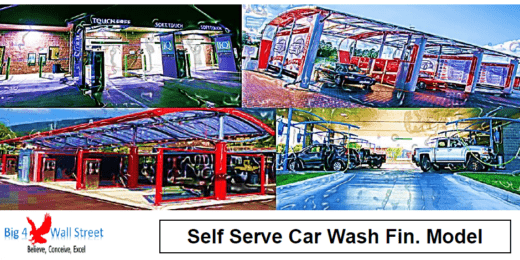
2.1 Self-Service Car Washes
Self-service car washes are a popular choice for budget-conscious entrepreneurs. These establishments typically consist of multiple bays equipped with high-pressure hoses, brushes, and cleaning products, allowing customers to clean their vehicles themselves. The cost to build a self-service car wash ranges between $100,000 and $250,000, depending on the number of bays and the quality of equipment installed. This type has lower labor costs, but it requires significant upfront investment in construction and technology.
2.2 In-Bay Automatic Car Washes
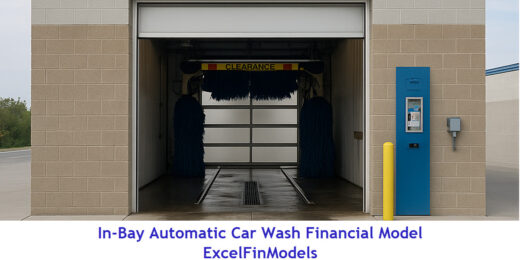
An in-bay automatic car wash involves a drive-in system where the vehicle remains stationary, and machinery cleans the car. These systems are efficient and compact, making them ideal for limited spaces. The cost of building an in-bay automatic wash can range from $150,000 to $300,000. Though more expensive than self-service, in-bay automatic systems offer higher throughput and appeal to customers seeking convenience. Maintenance and energy consumption, however, can add to ongoing operational costs.
2.3 Express Exterior Car Washes
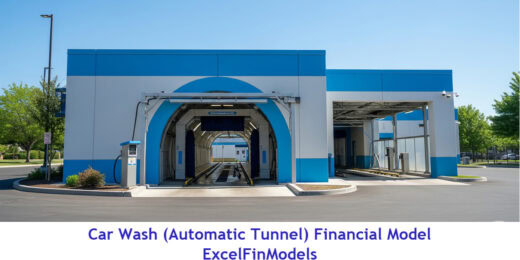
Express exterior car washes use a conveyor belt system, moving vehicles through various cleaning stages without the driver needing to exit. These facilities typically include drying tunnels, wax application, and additional detailing options. The construction cost for an express exterior wash can reach $400,000 to $700,000, depending on its size and the sophistication of the machinery. While the initial outlay is higher, this type can process more vehicles per hour, leading to faster returns on investment.
3. Key Cost Components in Car Wash Construction
3.1 Land Acquisition and Preparation
Land costs vary widely depending on the location, size, and zoning requirements. In addition to purchasing the land, site preparation includes grading, drainage systems, and environmental assessments. Land acquisition can account for 20-30% of the total project cost. If building on leased land, ensure that the lease terms align with long-term profitability objectives.
3.2 Construction and Building Materials
The construction phase involves erecting the main building, car wash bays, and tunnels (if applicable). Costs will fluctuate based on materials used, architectural complexity, and local labor rates. Using durable materials that withstand water exposure and heavy machinery operations is vital. Construction costs can range from $100,000 to $300,000 depending on the scale and type of car wash being built.
3.3 Equipment and Installation
Car wash equipment is a significant expense, covering items like high-pressure sprayers, brushes, automated gantries, and payment systems. Top-tier equipment ensures a better customer experience and longer service life, but it can also cost upwards of $100,000 per unit, particularly for high-end automatic systems. Opting for energy-efficient and water-saving equipment can reduce operating expenses in the long run.
4. Operating Expenses and Profitability Analysis
4.1 Utilities and Maintenance
Water, electricity, and sewage costs can greatly impact the profitability of a car wash. Automated systems consume large amounts of water and power, necessitating robust resource management. Maintenance of machinery and regular replacement of parts also contribute to ongoing costs. Investing in water recycling systems can mitigate some expenses, but this requires a substantial initial investment.
4.2 Labor and Staffing Requirements
Labor costs depend on the type of car wash. Self-service facilities require minimal staffing, whereas express and full-service car washes necessitate a larger workforce. Training employees to manage equipment, interact with customers, and uphold safety standards is essential. Though staffing is a recurrent cost, a well-trained team enhances service quality and customer satisfaction.
4.3 Marketing and Customer Acquisition
Allocating a portion of the budget to marketing is crucial, especially when launching a new car wash. Effective marketing strategies include local advertising, digital campaigns, and loyalty programs. Establishing an online presence through social media and search engine optimization (SEO) can attract more customers. Typically, 5-10% of the monthly revenue should be reinvested into marketing to sustain customer engagement and brand visibility.
5. Financial Projections and Break-even Analysis
5.1 Calculating Return on Investment (ROI)
Estimating the ROI involves calculating the total capital expenditure against expected monthly revenue. Variables such as service pricing, customer volume, and additional revenue streams (e.g., detailing or membership plans) play a role in projecting profitability. With an average ROI of 10-20% for well-managed car washes, the payback period typically ranges from 3 to 5 years.
5.2 Identifying Revenue Streams
Besides standard washing services, offering supplementary services like waxing, interior cleaning, or premium detailing can enhance profitability. Introducing membership models or partnerships with local businesses can create stable, recurring revenue. Diversifying income sources ensures resilience in fluctuating markets.
5.3 Risk Assessment and Contingency Planning
Every business venture carries risk. Factors like seasonal demand fluctuations, equipment malfunctions, or changes in environmental regulations can impact profitability. Conducting a risk assessment and having a contingency fund is essential to cover unforeseen expenses. Setting aside 10-15% of the total project budget as a contingency reserve is a prudent approach.
FAQs
1. What are the primary factors affecting the cost to build a car wash?
The primary cost factors include land acquisition, construction, equipment, and compliance with local regulations. The type of car wash chosen also plays a significant role, with self-service models being less expensive than express or full-service washes.
2. How long does it take to build a car wash?
The construction timeline varies depending on the complexity of the project. On average, building a car wash can take 6-12 months, including planning, obtaining permits, and construction. Delays in permit approvals or unexpected site conditions can extend the timeline.
3. What permits are required to build a car wash?
Permits vary by location but typically include zoning approval, environmental permits, water usage permits, and business licenses. Consulting local authorities early in the process is crucial to ensure compliance.
4. Can I finance the construction of a car wash?
Yes, many entrepreneurs use a combination of loans, investor funding, and personal capital to finance a car wash. Banks and financial institutions often provide specialized loans for car wash projects, considering the business’s potential for consistent cash flow.
5. What is the average profit margin for a car wash?
Profit margins for a car wash vary widely depending on the type, location, and efficiency of operations. On average, well-managed car washes can achieve a profit margin of 20-30%. Maximizing revenue through additional services and minimizing operational costs can improve margins further.