0 ITEMS

How Much Is It To Start A Car Wash Business Unveiled

Starting a car wash business involves understanding key costs and operational factors that determine profitability.
- Location impacts startup costs and customer traffic, with high-traffic areas costing more but offering greater exposure.
- Equipment choices vary by service type, from basic supplies for self-service stations to high-tech automation systems.
- Labor costs depend on staffing needs, wages, and training, influencing ongoing expenses and service quality.
- Regulatory requirements include licenses, permits, and insurance that vary by region and affect initial setup.
- Different business models, such as self-service, automated, or full-service, have distinct startup costs and profit potential.
Focusing on these core elements helps plan a realistic budget and set a solid foundation for your car wash venture.
Understanding Different Car Wash Models: Financial Implications and Considerations
Embarking on the journey of starting a car wash business requires a careful analysis of different available models. Each car wash model offers unique features, startup costs, and potential profit margins. The choice of model will not only determine the initial investment required but also influence the operational strategies and overall customer experience. Before delving into financial specifics, it is essential to familiarize yourself with the popular car wash formats in the industry.
Overview of Car Wash Models
Here is a brief overview of the predominant car wash models typically available in the market. Each model serves different customer needs and operational preferences:
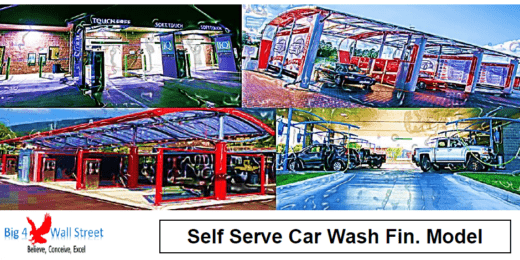
- Self-Service Car Wash: This model allows customers to wash their vehicles themselves using machines and products provided on-site. It usually incurs the lowest startup costs since less equipment and fewer staff are needed.
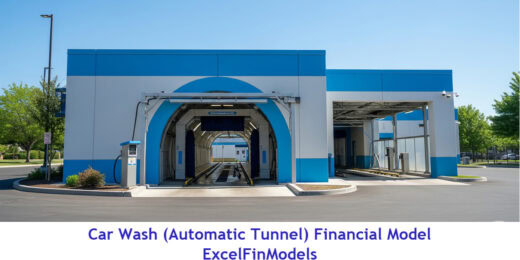
- Automatic Car Wash: This format employs automated machinery to wash vehicles quickly and efficiently. Although startup costs are higher due to equipment investments, this model can cater to clients seeking convenience and speed.
- Full-Service Car Wash: This model provides the most comprehensive cleaning solutions, often extending to interior cleaning, waxing, and detailing. With this model, there is a substantial initial investment, but it also presents opportunities for higher profit margins due to its varied service offerings.
Comparative Analysis of Car Wash Models
To assist potential car wash entrepreneurs in making informed decisions, the following table presents a comparison of the three car wash models. Key factors such as startup costs, potential profit margins, and time commitments are highlighted, allowing for a clear view of what each model entails:
| Car Wash Model | Startup Costs | Potential Profit Margin | Time Commitment (Per Wash) |
|---|---|---|---|
| Self-Service Car Wash | Low | Moderate | Varies (Customer controlled) |
| Automatic Car Wash | High | Moderate to High | 5-10 minutes |
| Full-Service Car Wash | Very High | High | 20-60 minutes |
This table illustrates the distinct characteristics of each car wash model, helping business owners understand what to expect in terms of investment, profitability, and operational demands. Evaluating these aspects thoroughly can guide new entrants in aligning their choice with personal goals, financial capacity, and market demand.
When considering which model to pursue, it is also vital to analyze the targeted customer base and the competitive landscape in your locale. By understanding these dynamics, entrepreneurs can tailor their offerings and provide an exceptional service experience that meets specific customer needs. Ultimately, selecting the appropriate car wash model based on detailed assessment greatly contributes to the success and sustainability of the business.
The Importance of Location for Your Car Wash Business
Location is a critical factor influencing both the startup costs and the ongoing revenue potential of your car wash business. Selecting a site in a high-traffic area often leads to higher rents and real estate prices; however, the increased footfall may provide a greater customer base. On the other hand, positioning your business in a well-selected suburban locale can significantly reduce operational costs while still attracting a reliable number of customers. Understanding the dynamics of the local market through thorough research is essential, allowing you to choose a location that maximizes your returns.
Several important factors should be considered when evaluating potential locations for your car wash business. Below is a detailed table to help prospective entrepreneurs assess different areas based on key criteria:
| Criteria | High-Traffic Area | Suburban Area | Rural Area |
|---|---|---|---|
| Proximity to Residential Neighborhoods | High | Moderate | Low |
| Accessibility for All Vehicle Types | High | Moderate | Moderate |
| Visibility from Major Roads | Very High | High | Moderate |
| Presence of Competitors | High | Low | Very Low |
Each of these factors plays a vital role in the business’s potential success. For instance, while high-traffic areas generally promise greater visibility and accessibility, they might also be crowded with competitors. Conversely, suburban and rural areas could offer lower competition and operational costs, but may also lead to fewer customers if not strategically chosen. Thus, conducting a thorough competition analysis in your selected location is crucial. The insights you gain can guide your decision-making process to establish a profitable car wash business. Understanding the competitive landscape ensures you can position your offerings effectively to attract and maintain a loyal customer base while maximizing your investment.
Equipment and Supplies: Essential Considerations for Your Car Wash Business
Starting a car wash business requires a significant investment in equipment and supplies, which can represent a substantial portion of your overall startup costs. By carefully selecting the right tools and machinery, you can optimize your spending and enable your business to operate efficiently. Furthermore, each choice not only influences your initial expenditure but also affects long-term operational efficiency and service quality, ultimately impacting your revenue. Here is a detailed breakdown of essential equipment and supplies needed for different types of car wash services.
Self-Service Car Wash Supplies
Self-service car washes are growing in popularity, as they provide customers the convenience of washing their vehicles at their own pace. The equipment required for this type of service tends to be more affordable; however, it’s crucial to select high-quality items that can withstand frequent use. Below is an overview of the typical supplies needed:
- Buckets: Standard buckets for soap and rinse
- Hoses: High-pressure hoses for effective cleaning
- Soap: Car wash soap that is safe for all paint finishes
- Pressure Washers: Properly rated washers that can remove dirt and grime efficiently
Automated Equipment
Investing in automated equipment can significantly enhance the customer experience at your car wash, providing efficient and reliable services. Although the initial investment may be higher, the potential for increased customer volume and satisfaction makes it a wise financial commitment. Below is a list of automated equipment you might consider:
| Equipment Type | Approximate Cost (USD) | References |
|---|---|---|
| Conveyor Belts | 15,000 – 30,000 | Supplier Websites |
| Automated Wash Systems | 20,000 – 65,000 | Industry Sources |
| Water Recycling Systems | 10,000 – 25,000 | Supplier Websites |
While the cost of automated systems may seem daunting, they have the potential to pay for themselves through increased efficiency and customer throughput. Additionally, the ability to recycle water can significantly lower operational costs over time, thereby enhancing your overall profitability. Choosing the right equipment now will ensure a smoother operation and more satisfied customers in the long run.
Full-Service Supplies
Full-service car washes provide more comprehensive cleaning options, often including detailing services. This requires a different set of supplies to handle specialized tasks effectively. Here are the key supplies you will need:
- Detailing Equipment: Microfiber cloths, polishers, and wax applicators
- Vacuum Systems: High-efficiency vacuums for interior cleaning
- Cleaning Agents: A variety of eco-friendly cleaning solutions for all surfaces
It is essential to invest in high-quality cleaning supplies to ensure customer satisfaction. By providing exceptional service and using effective products, you can build a loyal customer base that returns and recommends your business to others. In the car wash industry, word-of-mouth can be a significant advantage, and delivering quality service starts with the right equipment and supplies. Investing wisely now can lead to a lucrative return in the future.
Understanding Labor Costs in Your Car Wash Business
The quality of staff you hire for your car wash business is crucial to the overall success of your operation. Exceptional service delivered by well-trained employees enhances customer satisfaction, encourages repeat business, and generates positive word-of-mouth referrals. However, hiring and maintaining a skilled workforce also contributes significantly to your operational costs. Therefore, it is essential to comprehensively analyze the anticipated labor expenses when considering how much it costs to start a car wash business. The following points should be considered:
Key Considerations for Labor Costs
When determining your labor costs, it is vital to assess various factors that affect expenses and workforce quality. The following subsections provide further insight into the key considerations:
1. Number of Employees Needed
The number of employees required directly correlates to your traffic estimates. A higher volume of customers necessitates more staff to ensure efficient service. When estimating the required personnel, it’s advised to:
- Analyze peak and off-peak hours to understand customer trends.
- Factor in the different roles needed, such as customer service, washing, detailing, and management.
- Consider a staffing plan that addresses anticipated fluctuations in customer volume.
By accurately determining your staffing needs, you can avoid overstaffing which results in unnecessary costs and understaffing that can compromise service quality.
2. Wage Levels in Your Area
Wage levels vary significantly by region and have a direct impact on your labor costs. It is crucial to research local wage standards for both skilled and unskilled positions within the car wash industry. Consider the following:
- Investigate average hourly wages for car wash attendants in your specific location.
- Evaluate any prevailing minimum wage laws and cost of living adjustments in your area.
- Account for potential bonuses or incentives that might be needed to attract and retain qualified labor.
Understanding the local wage landscape will enable you to set competitive salaries that help attract talented employees while keeping your budget in check.
3. Training and Development Costs
Investing in training and development is essential for maintaining high service standards in your car wash. Well-trained staff can increase efficiency, reduce errors, and improve overall customer satisfaction. When budgeting for training costs, consider the following:
- Allocate funds for initial training programs covering service techniques, equipment operation, and customer interactions.
- Include ongoing education to keep staff updated on new technologies and customer service practices.
- Plan for any materials or resources required for training sessions.
By prioritizing staff training, you not only enhance service quality but also promote a motivated work environment that can lead to reduced turnover rates.
Regional Wage Comparisons
The following table highlights average wage estimates for car wash attendants in various regions, providing you with a reference point for setting competitive pay:
| Region | Average Hourly Wage |
|---|---|
| North | $15.00 |
| South | $12.50 |
| East | $14.00 |
| West | $15.50 |
Regional wage variations can significantly influence your overall labor costs. When developing your budget, utilize this wage data to ensure competitive pay that aligns with local standards. Remember that offering higher wages could be a worthwhile investment in attracting better quality employees, ultimately enhancing your service quality and reputation.
In conclusion, understanding labor costs is vital when starting a car wash business or any service-oriented venture. By thoroughly analyzing the necessary staffing levels, wage expectations, and training costs, you can create a sustainable business model that not only maintains profitability but also incentivizes high customer satisfaction through quality service. These factors lay the groundwork for a successful car wash business capable of thriving in a competitive environment.
Complying with Regulatory Requirements for Car Wash Businesses
When embarking on the journey of starting a car wash business, it is essential to recognize that compliance with regulatory frameworks is not just a formality but a cornerstone for sustainable operations. Ensuring adherence to local laws and obtaining necessary licenses and permits is critical for avoiding legal repercussions, ensuring customer safety, and maintaining a positive reputation within the community.
Common Licenses and Permits Needed
As you navigate the initiation of your car wash business, it is imperative to familiarize yourself with the typical licenses and permits required across various regions. These requirements can differ significantly based on local regulations and the specific nature of your operations. Below is a list of common licenses and permits you may need:
- Business License
- Health Permits
- Water Discharge Permits
- Environmental Permits
- Employee Safety and Health Compliances
It is important to note that the costs associated with these licenses can vary considerably depending on your locality. For instance, a business license might range from a few hundred to several thousand dollars, influenced by geographic location and local government policies. Additionally, health and environmental regulations may impose specific requirements that may further add to your costs. Therefore, it is advisable to conduct thorough research and possibly consult local government resources or legal counsel to ensure compliance.
The Importance of Insurance
Alongside obtaining the necessary licenses, investing in sufficient insurance coverage is crucial for safeguarding your business against unforeseen incidents. Without adequate insurance, your investment may be exposed to a variety of risks, such as accidents on your premises or damages to customer vehicles. Here are a few relevant statistics concerning insurance costs:
| Type of Insurance | Average Annual Cost |
|---|---|
| General Liability Insurance | $400 – $1,200 |
| Property Insurance | $500 – $1,500 |
| Workers’ Compensation Insurance | $1,000 – $3,000 |
These statistics indicate that while insurance may present an additional cost burden, it is paramount for preserving the sustainability and longevity of your car wash business. Not only does insurance shield you from financial setbacks associated with accidents or damages, but it also cultivates trust among your customers, showcasing your commitment to operating a responsible and safe business. It is wise to discuss your specific needs with an insurance broker to tailor a policy that best meets your unique circumstances.
To conclude, compliance with the regulatory landscape and securing adequate insurance are vital ingredients for the success of your car wash business. As you prepare to launch, taking these considerations seriously will help lay the foundation for a thriving enterprise in which you can take pride and operate without the looming threat of legal troubles. Investing time and effort into understanding your local regulations and securing necessary insurances ultimately empowers you to focus on what matters most: delivering high-quality car washing services to your clients.
Understanding the Startup Budget for a Car Wash Business
When it comes to financial planning for your business, practical examples serve as vital reference points. They help clarify expenses, set realistic expectations, and provide insight into potential returns on investment. In this section, we will explore the startup costs associated with establishing a self-service car wash. By understanding these essential components, you can better prepare and strategize for your own entrepreneurial journey.
Example 1: Self-Service Car Wash Startup Costs
Let’s break down the estimated startup budget for a self-service car wash. Below is a detailed table of the various expense categories involved, along with their associated costs:
| Expense Category | Estimated Cost | Potential Profit Margin (%) |
|---|---|---|
| Land Lease | $1,500/month | 5-10% |
| Equipment & Supplies | $40,000 | 20-30% |
| Licenses & Permits | $500 | N/A |
| Maintenance & Utilities | $1,000/month | N/A |
| Labor Costs | $3,000/month | N/A |
From the table, we see that your initial investment would start at around $50,000, not accounting for potential unexpected expenses or operational costs. Furthermore, estimating profit margins can provide valuable insight into the potential returns one might expect from such an investment. For example, the equipment and supplies category affords a profit margin of 20-30%, while the overall anticipated profit margins from the entire operation could lie between 5 to 10%.
Example 2: Comparison of Car Wash Types
To gain a broader perspective, let’s consider two contrasting car wash setups: a self-service car wash and a full-service car wash. This comparison will highlight how startup costs can vary greatly depending on service offerings.
| Expense Category | Self-Service Car Wash | Full-Service Car Wash |
|---|---|---|
| Land Lease | $1,500/month | $3,000/month |
| Equipment & Supplies | $40,000 | $100,000 |
| Licenses & Permits | $500 | $1,500 |
| Maintenance & Utilities | $1,000/month | $1,500/month |
| Labor Costs | $3,000/month | $6,000/month |
This comparative analysis illustrates the stark differences in startup costs between a self-service and a full-service car wash. The full-service approach requires a significantly larger initial investment—in both equipment and ongoing labor costs. However, it also opens up opportunities for expanded profit margins, making it crucial to consider your business model and target market carefully when deciding on the best type of car wash for your situation.
Ultimately, adequately preparing a well-rounded budget tailored to your unique business model will lay a solid foundation for success. Understanding potential costs and profit margins, whether for a self-service or full-service operation, will enable you to make informed decisions and strategically navigate future challenges. With a comprehensive financial plan, the road to running a successful car wash business can become much clearer.
Understanding the Costs of Starting a Car Wash Business
Starting a car wash business can be a rewarding venture, but it requires meticulous planning and an understanding of various associated costs. A detailed analysis of these costs will not only help you gauge the upfront investment required but also assist in developing a strategic business plan. Below, we have summarized the key aspects you should consider in your financial planning process:
Key Considerations in Establishing Your Car Wash Business
Embarking on your journey to start a car wash entails examining several fundamental factors. Organizing these components can help clarify your vision and create a comprehensive business strategy. Here are the essential cost factors to think about:
- Location: Choosing the right location can significantly influence your car wash’s success. High visibility and accessibility can lead to higher customer volume, but these desirable spots often come with higher rental costs.
- Equipment: This includes washing machines, water reclaim systems, vacuum cleaners, and detailing tools. The initial investment in high-quality equipment can lead to more efficient operations.
- Labor Costs: Hiring skilled workers for various roles, such as technicians and customer service professionals, is essential. Consider wages, salaries, and benefits in your labor budget.
- Licenses and Permits: Depending on your geographical location, different regulatory requirements may necessitate specific licenses and permits to operate legally. Ensure to factor these into your budget.
- Marketing: Developing a branding and marketing strategy is crucial for attracting customers. Budget for both traditional and digital marketing initiatives to establish your presence.
- Insurance: Protecting your business against unforeseen incidents like accidents or natural disasters should also be a priority. Explore different insurance policies to find one that meets your needs.
Each listed cost factor contributes to the overall financial picture of starting a car wash business. Taking time to analyze and plan each area can lead to a sustainable and successful operation. Understanding these factors will not only prepare you for the initial setup but also influence your business’s long-term viability. It is advisable to consult with industry experts or financial advisors to help you tailor your business plan and ensure you have adequately accounted for all expenses.
Next Steps to Take
To further solidify your path toward starting a car wash business, consider the following actionable next steps:
- Conduct Market Research: Gather data about your target audience and competitors in the area to inform your business strategy.
- Develop a Business Plan: Create a comprehensive business plan that integrates your financial projections, target milestones, and marketing strategy.
- Consult Experts: Reach out to financial advisors or industry specialists who can provide valuable insights and guidance based on their experience.
These steps will effectively guide you through the initial phases of launching your car wash. The market research will help you understand demand, while a robust business plan will ensure that you have a clear roadmap of your objectives. Expert consultations can provide the support you need to navigate challenges effectively. Starting your own car wash can indeed be a fulfilling endeavor; embrace the process, stay informed, and success will follow!
With the right financial planning and preparation, you can create a thriving car wash business. Begin today, and watch your investment flourish as you provide a valuable service to your community!
Frequently Asked Questions about Starting a Car Wash Business
What is the average startup cost for a car wash business?
When considering a car wash business, entrepreneurs should be aware that startup costs can vary widely based on several factors. The range typically falls between $40,000 and $200,000, influenced by aspects such as the business model, location, and the equipment you choose. Here is a breakdown of the key factors affecting cost:
| Factor | Cost Range |
|---|---|
| Equipment | $10,000 – $100,000 |
| Location Setup | $15,000 – $50,000 |
| Licenses and Permits | $1,000 – $5,000 |
| Marketing and Advertising | $1,000 – $10,000 |
| Initial Inventory (Supplies) | $2,000 – $10,000 |
Understanding these costs is crucial for prospective owners. Budgeting accurately can help in managing cash flow and ensuring that your business starts on strong financial footing. It is advisable to create a detailed financial model to predict these expenses better and to get a clearer idea of your potential revenue streams over time. For insights on financial modeling, consider exploring financial models tailored for the automotive sector at eFinancialModels.
How long does it take to break even with a car wash?
Determining how quickly a car wash can break even is critical for future planning. The break-even period typically spans from six months to three years, influenced by multiple factors including:
- Location: Proximity to high-traffic areas can increase customer volume.
- Pricing Strategy: Competitive and well-priced services can attract more customers.
- Customer Volume: A larger customer base leads to faster profitability.
- Operational Efficiency: Streamlined processes can lower costs and improve margins.
- Marketing Effectiveness: A robust marketing strategy can enhance brand visibility and sales.
Monitoring these factors closely during the early stages of your business will provide valuable insights into your financial health. Understanding your customer preferences and optimizing operations may lead to quicker achievement of break-even, enhancing the chances of long-term sustainability.
Is it better to buy an existing car wash or start one from scratch?
This decision largely depends on an entrepreneur’s risk tolerance and business vision. Here are some considerations for both options:
Buying an Existing Car Wash
- Established Customer Base: You inherit existing clients, resulting in immediate revenue.
- Cash Flow Stability: Existing operations often come with existing cash flows, reducing initial risks.
- Proven Business Model: Benefit from an already tested operational framework.
Starting from Scratch
- Creative Control: You have full autonomy to implement your vision and brand ideals.
- Flexibility: Tailor every aspect of your business model without restrictions from previous owners.
- Opportunity to Innovate: Introduce new services or technology that may not exist in an established business.
Weighing these factors carefully can help you make an informed decision. Whether you opt for a pre-existing establishment or choose to embark on a new venture, understanding the market dynamics and your operational capabilities will be crucial for success in the car wash business.
What licenses do I need to open a car wash?
Opening a car wash involves navigating various regulatory requirements, which can differ widely based on location. Generally, you will need a combination of the following licenses:
- Business License: A fundamental requirement for operating any small business.
- Health Department Permits: Necessary if your car wash includes detailing services involving cleaning agents.
- Water Discharge Permits: Required to manage sewage and waste if applicable, adhering to environmental regulations.
- Zoning Permits: Ensure your business location complies with local zoning laws.
Each of these licenses serves to ensure a safe and regulated business operation. It is essential to research and comply with local regulations to avoid legal complications that could hinder your business. Consulting with local regulatory bodies can provide clarity on specific requirements to ensure compliance.
Additional Frequently Asked Questions
As you consider launching a car wash, addressing concerns around marketing strategies and customer retention can enhance your chances of success. Consider the following inquiries that may arise:
- What are effective marketing strategies for a new car wash?
- How can I retain customers and ensure repeat business?
Developing solid marketing strategies, such as leveraging social media and local advertising, can improve brand visibility. Furthermore, implementing loyalty programs or customer feedback systems boosts customer retention by fostering relationships and enhancing service quality. In conclusion, understanding these additional elements is important for building a robust foundation for your car wash business.