
0 ITEMS

eBook
In the context of financial modeling, an eBook may refer to a digital book containing comprehensive information on financial concepts, methodologies, and best practices. It can be a valuable resource for professionals and students alike. We offer financial model templates and accompanying eBooks to guide you through complex financial analyses and decisions.


Free market study reports on the global distillery industry —…

Free market study reports on the global health care industry…

Free market study reports on the global hospitality industry —…


Free market study reports on the global real estate industry…

Free market study reports on the global solar energy industry…

Free market study reports on the global beverage manufacturing industry…


AI Strategy for Professional Services Firms: Unlocking Efficiency, Innovation, and…




This book will look at the coffee industry and the…

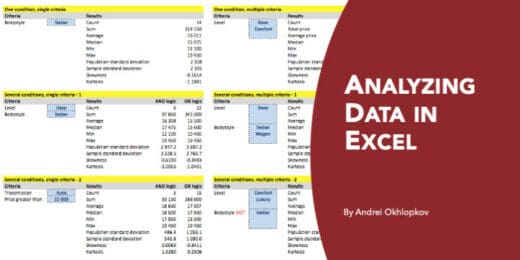


Fully-Vetted Comprehensive Youtube Content Creator Financial Model + Video Series…

Fully-Vetted Comprehensive Digital Media Financial Model + Video Series

Fully-Vetted Comprehensive Lead Generation Financial Model + Video Series +…
Fully-Vetted Comprehensive Cloud Services Financial Model + Video Series +…

Fully-Vetted Comprehensive Online classified Financial Model + Video Series +…
Fully-Vetted Comprehensive Data Sales Financial Model + Video Series +…

Fully-Vetted Comprehensive Video Streaming Financial Model + Video Streaming Guide…

Fully-Vetted Comprehensive Online Marketplace Financial Model + Video Series +…

Fully-Vetted Comprehensive SAAS Financial Model + Video Series + Pocket…

Fully-Vetted Comprehensive eCommerce Financial Model + Video Series

Fully-Vetted Comprehensive Coworking Financial Model + Video Series + eBook

Fully-Vetted Comprehensive Mobile App Financial Model + Video Series +…


The purpose is to calculate, compare, and apply different theories…
Crafting a Profitable Financial Plan for Your eBook Venture

Understanding Current eBook Market Trends
To effectively craft a financial plan, it is essential first to understand the current state and trends shaping the eBook industry. With technological advancements and increasing consumer preference for digital consumption, the eBook market has been experiencing robust growth. The convenience, accessibility, and often lower cost of eBooks make them an attractive alternative to physical books, contributing to an upward trajectory in sales. This growth is further fueled by the rise of e-readers, tablets, and smartphones, which facilitate easy access to digital content. Niche selection and audience targeting hold significant sway over the success of an eBook venture. Choosing a niche not only defines the type of content authors will produce but also influences pricing strategies and promotional activities. A well-chosen niche can elevate an author's credibility and allow them to connect more profoundly with a target audience, leading to improved sales performance. Furthermore, understanding the needs and preferences of the audience can enable authors to tailor pricing strategies effectively. For instance, a specialized niche might command premium pricing due to audience willingness to pay for expert content.Essential KPIs for eBook Business Success
In managing the performance of an eBook business, several Key Performance Indicators (KPIs) stand out as essential metrics to monitor. These KPIs offer insights into various aspects of the business and can guide decisions related to marketing, sales, and overall financial health. For a deeper understanding of financial metrics, consider checking out our guide on financial metrics.- Conversion Rate: This KPI measures the percentage of visitors to an eBook sales page who make a purchase. A high conversion rate indicates effective marketing and a well-targeted audience, whereas a low conversion rate could suggest the need for strategy adjustments.
- Cost Per Acquisition (CPA): Understanding how much it costs to acquire a new customer is crucial for budgeting and evaluating marketing effectiveness. Keeping CPA low while maximizing customer lifetime value can significantly enhance profitability.
- Customer Retention Rate: This measures how well an eBook business maintains its existing customer base. High retention rates often result from customer satisfaction and engagement strategies, which ultimately aid in building a loyal readership and steady income.
- Average Revenue Per User (ARPU): ARPU offers insight into the revenue generated from each customer. Increasing ARPU typically involves upselling strategies, bundling offers, or enhancing product value through additional features or content.
- Net Profit Margin: This profitability metric reflects the percentage of revenue that remains after all expenses are deducted. A strong net profit margin signals efficient cost management and a healthy bottom line.
Strategic Approaches to Enhance eBook Profitability
Achieving profitability in the eBook sector requires a strategic approach that balances growth and cost efficiency. Here are some strategies that can drive profitability for eBook ventures:- Diversify Revenue Streams: Authors can augment revenue by exploring diverse monetization methods such as subscription models, affiliate marketing, and merchandising. Offering exclusive content or bundled packages can enhance revenue potential.
- Optimize Pricing Strategies: Dynamic pricing models, discounts, and promotions tailored to the target audience can boost sales volume. Conducting pricing experiments and gathering feedback can help determine the most effective pricing strategies, as discussed in our resource on pricing strategies.
- Leverage Data Analytics: Use data analytics to gain insights into consumer behavior and preferences. Analyzing sales data, customer feedback, and market trends can drive informed decision-making and strategy refinement. Explore our data analytics guide for more insights.
- Enhance Product Quality and Presentation: Investing in professional editing, design, and marketing materials can elevate an eBook's perceived value, attracting more customers and justifying premium pricing. For tips on optimizing product presentation, visit our website.
- Focus on Customer Engagement: Building a community through newsletters, social media, and interactive content can increase customer loyalty and retention, translating into sustained sales and growth.
Concluding Thoughts on Financial Planning for eBooks
Crafting a successful financial plan for an eBook venture is not simply about managing finances—it’s about steering your business toward long-term success. Understanding eBook market trends and dynamics, identifying key performance metrics, and implementing targeted profitability strategies are essential steps in this process. Authors who embrace financial planning are better equipped to adapt to industry shifts, engage their audience effectively, and secure their position in a highly competitive digital landscape. By focusing on well-researched financial strategies and performance metrics, eBook authors can unlock opportunities for growth and profitability. To delve deeper into creating a tailored financial plan and gain access to industry-specific financial modeling services, consider exploring the resources and offerings available at eFinancialModels.com. A thoughtful financial plan is not just a roadmap to success—it's a crucial tool for making informed business decisions in the dynamic world of eBooks.Frequently Asked Questions About Financial Planning for eBooks
- What are the key factors influencing eBook market trends? Technological advancements, consumer preference for digital content, and the increasing prevalence of e-readers and smartphones are driving growth in the eBook market.
- How can authors select a profitable niche for their eBook venture? Authors should consider audience preferences, market demand, and their own expertise to choose a niche that offers the potential for premium pricing and strong sales performance.
- What strategies can authors use to enhance eBook profitability? Authors can diversify their revenue streams, optimize pricing, leverage data analytics, focus on product quality, and engage with their audience to drive profitability.
- Why is monitoring KPIs important for eBook ventures? Tracking KPIs like conversion rate, CPA, customer retention, and net profit margin provides insights into business performance and aids in making informed decisions.
- How can authors use data analytics in their eBook business? Data analytics can help authors understand consumer behavior, refine marketing strategies, and tailor content and pricing to better meet audience needs. For more information, our financial analysis templates might be useful.
You might also like: