
0 ITEMS

Ski Resorts
Ski resorts are the resorts that offer different winter sports, especially skiing and snowboarding. These are usually destination resorts and typically located in mountains as the activities need a vast scope of snow. Ski areas have trails or runs to guide the skiers. The amenities include chairlifts to move the skiers to the top of hills and to interconnect to various paths. It usually has a primary first aid facility and ski patrol service to ensure that the skiers are rescued. The financial model templates here will aid in the preparation of a financial model for ski resorts.


10-year financial model for a ski resort development providing forecasts,…


A professional Excel financial model tailored for Padel Clubs to…




This bundle of financial model templates tailored to racket sports…


This model is to provide users an integrated and fully…
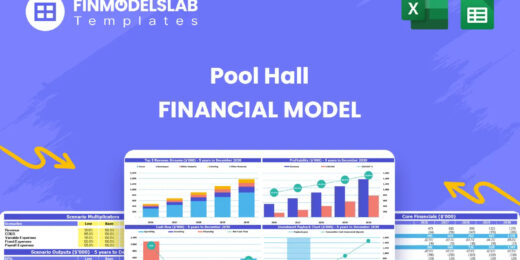

The Pool Hall Financial Model helps entrepreneurs, founders, business owners,…

The Ski Lodge Financial Model Template helps entrepreneurs, hospitality founders,…

The Resort Financial Model Financial Model Template helps resort developers,…
Forecasting Snowfall: Financially Planning for Ski Resorts

The ski resort industry holds a prominent position within the tourism sector, boasting a unique allure that draws millions of visitors seeking alpine adventure and relaxation. Ski resorts operate within fascinating dynamics, intricately tied to the seasons, where their fortunes often ebb and flow with the patterns of snowfall. This highly seasonal nature presents both opportunities and challenges, with crucial implications for revenue generation. As such, understanding the landscape of the ski resort industry and the critical role that weather variables, particularly snowfall, play in its operation is essential for effective financial planning. By honing in on these dynamics, ski resorts can craft strategies to optimize visitor experience and enhance financial outcomes.
Insightful Financial Planning for the Ski Resort Industry
In the pursuit of optimizing operations and maximizing profitability, ski resorts must pay close attention to a range of performance indicators. From understanding visitor volume metrics such as midweek versus weekend visitation trends and season pass versus single-day ticket sales to evaluating operational metrics including lift capacity, utilization rates, and average revenue per visitor, each factor tells a part of the story behind a resort's financial health. This critical interplay between these metrics and weather-dependent indicators, such as snowfall benchmarks and historical averages, further complicates the financial forecasting puzzle. Yet, by carefully dissecting these indicators, ski resorts can begin to craft informed financial planning strategies that align seamlessly with their operational goals.Understanding the Ski Resort Industry Landscape
The ski resort industry plays a pivotal role in tourism, not just as a recreational hub but as a significant economic driver in many mountainous regions across the globe. Resorts attract a mixture of high-spending tourists and seasonal adventurers, making them essential contributors to local economies. This industry is distinctly seasonal, with operations largely concentrated in winter months when snow conditions are favorable. The seasonality translates into unique revenue models where success hinges on the ability to capitalize on peak periods while efficiently managing costs during off-peak and transitional seasons.The Impact of Weather on Ski Resort Success
A central element influencing the success of ski resorts is weather conditions, with snowfall being a paramount determinant of operational feasibility and visitor appeal. The unpredictability of snowfall adds a layer of complexity to financial planning, as resorts must prepare for variations that significantly impact visitor numbers. A year of abundant snow can lead to booming business, while a sparse snowfall can deter potential visitors and result in financial strain. This variability necessitates a strategic approach to forecasting, incorporating historical data and weather predictions to craft resilient financial models that can withstand the fickle nature of winter weather. Tools such as our snow revenue forecasting templates can aid significantly in this aspect.Key Performance Indicators Optimizing Ski Resort Profitability
Understanding key performance indicators (KPIs) is essential for ski resorts aiming to optimize their operations and maximize profitability. These indicators can be divided into visitor volume metrics, operational metrics, and weather-dependent indicators, each providing unique insights into different facets of the resort’s performance.Visitor Volume Metrics Empowering Tailored Experiences
Visitor volume metrics offer critical insights into consumer behavior and spending patterns. Analyzing midweek versus weekend visitation trends allows resorts to tailor marketing efforts and staffing levels accordingly. Typically, weekends see a surge in visitors due to time availability, prompting resorts to optimize operations to handle increased volumes efficiently. Additionally, dissecting the dynamics between season pass and single-day ticket sales provides insights into customer loyalty and pricing strategies. Season pass holders often represent a stable revenue stream, allowing for better financial forecasting, while single-day tickets might cater to the spontaneous tourist segment. Using our financial metrics templates can enhance understanding in this area.Operational Metrics Ensuring Efficiency
Operational metrics, such as lift capacity and utilization rates, shed light on the effectiveness and efficiency of a resort's core offerings. High lift utilization rates suggest optimal use of resources, whereas low rates might point to bottlenecks or a need for operational adjustments. Furthermore, calculating the average revenue per visitor, inclusive of lessons, rentals, and food services, helps gauge the resort’s ability to capitalize on ancillary services, which are vital revenue streams beyond mere lift tickets. For resorts looking to analyze these figures deeply, our Excel financial models can provide a solid foundation for operational insights.Weather-Dependent Indicators Driving Forecast Accuracy
Understanding snowfall benchmarks is crucial for accurate forecasting. Comparing current season snowfall against historical averages enables resorts to adjust their operational strategies and marketing campaigns in response to weather realities. This comparison helps resorts make informed decisions regarding snowmaking, staffing levels, and budget allocations to navigate through high-demand or lean seasons effectively. For those interested in enhancing their forecasting accuracy, utilizing advanced financial models can be beneficial.Financial Planning Strategies for Ski Resorts
Effective financial planning is the backbone of sustainable operations for ski resorts, underscoring the importance of comprehensive revenue forecasting, budgeting for variable costs, and robust risk management strategies.Revenue Forecasting Enhancing Decision-Making
Accurate snowfall predictions are the linchpin of revenue forecasting for ski resorts. The ability to anticipate snowfall levels enables resorts to align ticket sales, accommodation bookings, and ancillary revenue streams with expected demand. During the season, strategies must be in place to pivot financial forecasts in response to mid-season weather changes. This adaptability is vital in capturing missed opportunities or minimizing losses due to unexpected conditions. Incorporating financial modeling templates into planning can greatly enhance decision-making.Budgeting for Variable Costs Supporting Flexibility
Seasonal staffing presents both a challenge and an opportunity in budgeting for ski resorts. Fluctuating visitor numbers necessitate a flexible approach to staffing, balancing between maintaining service quality and controlling payroll expenses. Additionally, maintenance and operational costs are intimately tied to snowfall levels; higher snowfall often requires increased expenditure on snow management and infrastructure maintenance, while lower snowfall might necessitate investment in snowmaking capabilities. For a comprehensive approach to budgeting, resorts can benefit from our budgeting templates.Risk Management Strategies for Climatic Stability
Climate change and unpredictable weather patterns introduce significant financial risks for ski resorts. It is imperative to identify these risks and formulate contingency plans for low-snowfall years. Developing financial buffers or diversifying revenue streams can provide stability and ensure continued operations even in unfavorable conditions. This proactive approach to risk management safeguards the resort’s financial health and enhances resilience against climatic uncertainties. For additional insights, exploring our risk management strategies can be valuable.Leveraging Excel Templates for Strategic Financial Planning
Excel spreadsheet templates offer ski resorts an invaluable tool for financial planning, providing user-friendly modeling, scenario planning capabilities, and fostering efficiency and collaboration.User-Friendly Models Enhancing Accuracy
Excel templates offer a flexible layout that allows for customization to suit the unique attributes of each resort. Built-in formulas automate calculations, enhancing accuracy while saving time and effort. This accessibility empowers financial teams to focus on strategic insights rather than manual number-crunching. Utilizing our Excel financial templates can further simplify this process.Scenario Planning for Strategic Insights
Ski resorts can leverage Excel templates to effortlessly model “what-if” scenarios, exploring how varying levels of snowfall impact financial performance. The ability to visualize data trends and forecast outcomes clearly aids in strategic decision-making. By integrating these insights into financial planning, resorts can better navigate the inherent uncertainties of the industry.Efficiency and Collaboration Facilitating Decision-Making
Excel templates simplify the sharing of financial plans with stakeholders, fostering transparency and collaborative decision-making. The ease of version management supports iterative budgeting and forecasting processes, enabling resorts to adapt financial plans as new data becomes available or operational strategies evolve.Conclusion and Call to Action for Sustained Profitability
In conclusion, financial planning plays a critical role in the operational success of ski resorts, dictating their ability to weather seasonal variability and capitalize on opportunities. Accurate forecasting and financial modeling are indispensable in navigating the complex interplay of weather, visitor behavior, and operational dynamics inherent in the ski resort industry. Ski resorts are encouraged to leverage sophisticated Excel spreadsheet templates from eFinancialModels, enhancing their financial planning efforts and driving operational success. By embracing these tools, resorts can confidently chart a path towards sustained profitability and resilience in the face of an ever-changing landscape.FAQ Section
- What is the importance of snowfall forecasting for ski resorts? Snowfall forecasting is crucial as it directly impacts visitor numbers and operational feasibility. Accurate forecasts enable resorts to align their financial plans and operational strategies with anticipated snow conditions.
- How do visitor volume metrics influence financial planning in ski resorts? Analyzing visitor volume metrics helps resorts understand consumer behavior, optimize staffing levels, and tailor marketing efforts,
You might also like:
- 10 Tips to Develop a First Class Business Valuation Report
- 10 Main Elements of a Business Plan
- Mastering Hotel Development: Unlocking the Power of Financial Planning
- Finding Fair Market Value: A Quick Guide to Real Estate Valuation
- The Essential Guide to Calculating the Cap Rate for Real Estate Valuations
- Scenario Analysis
- Financial Modeling for Startups and Small Businesses
- Fundraising
- Financial Projections
- How to Start a Construction Machinery Rental
- Ski Resorts
- Financial Modeling using Excel
- A Step-By-Step Guide to Ammonia Plant Analysis
- How to Write a Business Plan Step-by-Step
- Why Financial Forecasting Models Are Vital for Your Business
- The Key Differences Between Levered and Unlevered Free Cash Flow
- What Are the Best Business Planning Apps?
- Why Should You Use Excel for Financial Modeling?
- Tourism Project Financial Model Template