
0 ITEMS

Water Treatment
Water treatment is the process of treating the quality of water for it to be suitable for a particular use. The end-use could be for drinking, irrigation, industrial water supply, or the treatment of disposable water to be safely returned to the environment. The water treatment removes the contaminants and other undesirable materials or reduces the concentration to become safe for use. The process can avoid the result of harmful water supply, such as diseases to people and harm to other living organisms. The financial model templates here are suitable for ventures related to water treatment.

A professional PFAS Water Treatment & Remediation Financial Model created…

10-year financial model for a Water-as-a-Service project providing forecasts, valuation,…


A comprehensive editable, MS Excel spreadsheet for tracking CleanTech Startup…
Financial Model providing a dynamic up to 10-year financial forecast…


The template creates a financial model for your individual project…

Financial Model for a Public-Private Partnership (PPP) project outlining the…
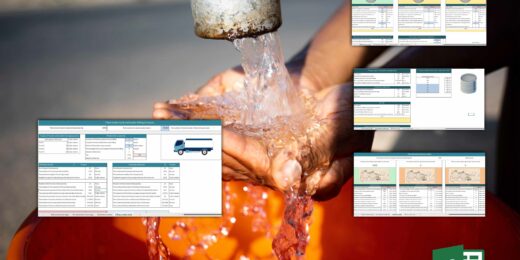

If you're planning to build an artesian well, try this…
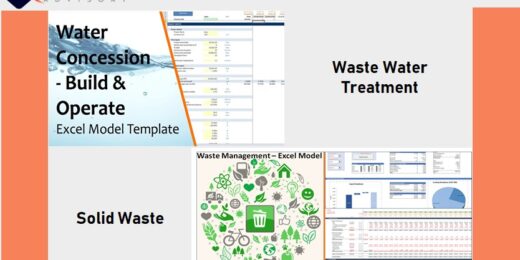


Waste Water Concession Model is a Project Finance Model for…
Optimizing Cash Flow for Sustainable Water Treatment Finance

The water treatment industry plays a pivotal role in ensuring access to safe and clean water, which is essential for public health, environmental sustainability, and economic development. As our global population grows, the need for effective management of water resources increases. This has placed increased pressure on water treatment companies to maintain high-quality standards while managing costs efficiently. Financial planning and cash flow optimization are critical components for sustainable management of water facilities, aligning with broader environmental goals while assuring operational sustainability.
Understanding Key Performance Indicators (KPIs) in Water Treatment Finance
When analyzing the financial health of water treatment operations, it is vital to understand the unique Key Performance Indicators (KPIs) used within the industry. These metrics provide insights into operational and financial performance, aiding informed decision-making processes.- Water Quality Metrics: One of the critical responsibilities of water treatment facilities is maintaining high water quality standards. Failure to meet these standards can result in significant compliance costs and potential legal issues, making monitoring water quality metrics fundamental to ensuring regulatory compliance and protecting public health.
- Operational Efficiency: Monitoring treatment costs per unit of water is crucial for water treatment companies. This indicator provides insights into the operational efficiency of the facility by comparing actual performance against industry benchmarks, enabling companies to reduce expenses and improve profitability while reinvesting in sustainability initiatives.
- Regulatory Compliance Costs: The stringent regulations in the water treatment industry require constant monitoring to avoid penalties. Understanding the financial impact of compliance helps in budgeting and financial planning, ensuring sufficient resources are allocated for compliance activities.
- Customer Retention Rates: For many water treatment companies, customer retention is a key revenue driver. Providing reliable service ensures stability in revenue streams, while high retention rates indicate customer satisfaction and trust in the services provided.
Financial Planning Components Specific to Water Treatment
Effective financial planning is crucial for the long-term viability of water treatment operations. Several components are essential in developing robust financial plans tailored to the unique characteristics of this industry.- Capital Expenditure Forecasting: Anticipating costs for upgrades and maintenance is vital in financial planning. Investments in modern technology and equipment lead to improved efficiency and compliance, highlighting the importance of accurate capital expenditure forecasting. For insights on capital planning, check our capital budgeting templates.
- Operating Budgeting: Estimating operational costs, considering both variable and fixed expenses, is essential for maintaining balanced budgets. Effective operating budgets factor in varying costs and develop strategies to manage them efficiently.
- Revenue Forecasting: Water treatment facilities often rely on diverse revenue streams, including fees from local governments and industrial contracts. Accurate revenue forecasting enables companies to plan strategically, ensuring they capitalize on new opportunities.
- Debt Management: Financing large projects significantly impacts cash flow. Effective debt management strategies are essential for maintaining financial stability, especially when undertaking substantial investments. Explore our debt management strategies for more insights.
Cash Flow Management in Water Treatment
Cash flow management is critical in the water treatment industry as it directly impacts a company's ability to maintain operations and fund future projects. Understanding the dynamics of cash flow is vital for long-term sustainability.- Seasonality and Demand Fluctuations: Seasonal variations in water demand can significantly impact cash flow. Developing strategies to mitigate these fluctuations, such as adjusting pricing structures or altering production schedules, is vital for maintaining financial stability.
- Investment Timing: Aligning expenditures with revenue receipts is crucial to capitalize on cyclical trends. Coordinating investment timing ensures that resources are available when needed without compromising cash flow.
- Emergency Funds: Building reserves for unplanned repairs or funding shortfalls is essential for protecting against unexpected financial challenges. Emergency funds provide a safety net, allowing companies to address urgent issues without jeopardizing operations.
The Role of Financial Model Templates in Water Treatment Planning
MS Excel spreadsheet templates serve as vital tools in financial modeling for water treatment facilities, offering several advantages that streamline the planning process.- User-Friendly Interface: The simplicity of Excel templates makes complex calculations accessible to financial planners, facilitating easier analysis and decision-making.
- Customization Potential: Water treatment companies can tailor templates to reflect specific operational parameters and KPIs, ensuring models align with their unique needs and objectives.
- Scenario Analysis Capabilities: Financial model templates enable companies to simulate different financial scenarios, such as worst-case or best-case outcomes. This helps in evaluating the potential impacts of strategic decisions and market changes, a critical feature of our scenario analysis templates.
- Streamlined Reporting: Templates facilitate clear communication of financial data to stakeholders, making it easier to present performance metrics and strategic plans.
Conclusion
Optimizing cash flow and employing robust financial planning are essential for achieving sustainable operations in the water treatment industry. By integrating financial models and tracking key performance indicators, companies can make more informed decisions, align with industry standards, and drive efficiency in their operations. To pave the way for future success, water treatment facilities are encouraged to explore eFinancialModels' professional financial modeling templates. These tools are indispensable for enhancing financial performance and supporting strategic financial planning efforts in the water treatment sector.Call to Action
Visit eFinancialModels today and discover how our customizable financial modeling templates can drive strategic financial planning and enhance cash flow management in your water treatment operations. With our tools, you can achieve improved financial performance and support sustainable water treatment practices.Frequently Asked Questions (FAQ)
- What are the common KPIs used in water treatment finance? Common KPIs in water treatment finance include water quality metrics, operational efficiency, regulatory compliance costs, and customer retention rates.
- Why is cash flow management important in the water treatment industry? Cash flow management is crucial as it impacts a company's ability to maintain operations and fund future projects, ensuring long-term sustainability.
- How can scenario analysis help in financial planning for water treatment operations? Scenario analysis enables companies to simulate different financial outcomes, aiding in evaluating potential impacts of strategic decisions and market changes.
- What financial tools are available for enhancing cash flow in water treatment companies? Financial instruments such as loans, grants, and public-private partnerships can enhance cash flow by providing access to financial resources for large-scale projects.
- What is the role of eFinancialModels' templates in water treatment financial planning? eFinancialModels' templates offer customizable, user-friendly financial models that facilitate better decision-making, scenario analysis, and strategic planning for water treatment companies.
You might also like: