
0 ITEMS

Saving Plans
Saving plans are financial strategies designed to help individuals or businesses accumulate funds for specific goals or future needs. Our financial model templates include tools to create and manage saving plans, helping you achieve your financial objectives.


The Mortgage Payment Scenario Calculator is a comprehensive Excel model…
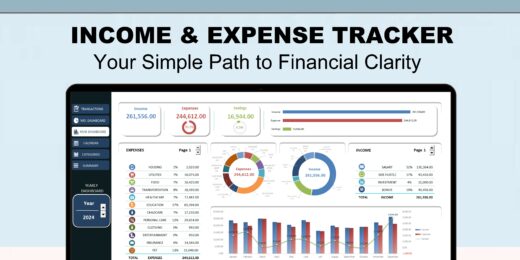

The Ultimate Income and Expense Tracker Spreadsheet is designed to…
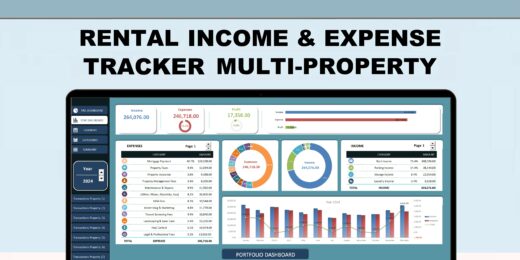
The RENTAL INCOME & EXPENSE TRACKER MULTI-PROPERTY is the ultimate…


Take charge of your finances effortlessly with our Personal Finance…
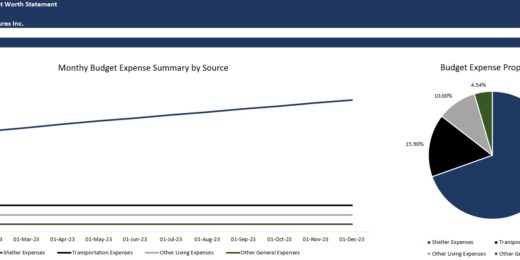

Pro Forma Models created this model to prepare an annual…


User-friendly excel model for projecting family or personal net worth…


Building a Financial Plan for Your Saving Plans Success

In the dynamic world of finance, ensuring a successful saving plan requires more than just tucking money away for future use. It demands a robust financial strategy that not only ensures security but also facilitates growth. Crafting such a strategy involves understanding the intricacies of financial planning specific to saving plans, a process that can be daunting without the right guidance and tools. By building a comprehensive financial plan, individuals and businesses alike can achieve their saving goals more effectively and confidently.
This article delves into the multifaceted landscape of saving plans, highlighting the pivotal role of financial planning in this sector and the trends and challenges that shape it. We will explore the key performance indicators (KPIs) essential for assessing the success of saving plans and dissect the components of an effective financial plan. Furthermore, we will discuss the crucial role that MS Excel templates play in financial modeling, allowing for tailored and insightful analyses.
Understanding the Dynamics of the Saving Plans Industry
The saving plans industry is a cornerstone of financial security for many individuals and institutions. It encompasses diverse products and services, ranging from simple savings accounts to complex retirement plans. This industry is crucial because saving money over time helps individuals meet financial goals such as buying a house, funding education, or securing a comfortable retirement. To navigate this landscape effectively, financial planning is indispensable. It ensures that savings strategies are not only sound but also aligned with both short and long-term objectives.
Recent trends and challenges are reshaping how saving plans are crafted and managed. There is a noticeable shift in consumer behavior as individuals increasingly demand more personalized and flexible saving solutions. Additionally, the regulatory landscape is continually evolving, with governments imposing new rules to protect savers, which institutions must navigate carefully. Economic conditions also play a substantial role; interest rates, inflation, and market volatility can all influence the effectiveness of saving plans. As these factors fluctuate, having a well-structured financial plan allows for adaptation and resilience.
Key Metrics for Evaluating Saving Plans Performance
For a saving plans strategy to be effective, understanding and monitoring specific KPIs is essential. These metrics provide valuable insights into the performance and sustainability of saving plans.
Firstly, the Account Growth Rate is a critical KPI, illustrating how successful a financial institution is at acquiring new accounts over time. A rising account growth rate suggests effective marketing and competitive savings products. Secondly, tracking Average Contribution Levels reveals how much customers are actively saving, offering insights into customer engagement and the effectiveness of saving incentives.
The Client Retention Rate is equally significant, as retaining clients ensures steady, long-term profitability and customer loyalty. Finally, the ROI on Marketing determines how efficiently the marketing budget is being used to attract new clients. These KPIs not only help in assessing current performance but also in shaping a long-term business strategy. By aligning KPIs with strategic objectives, institutions can ensure sustained growth and adaptability.
Components of a Robust Saving Plans Financial Strategy
Developing a successful financial plan for saving plans begins with setting clear financial objectives. These objectives should align with the specific needs and goals of clients, whether it's ensuring educational funds or guaranteeing a stable post-retirement income. With precise goals, institutions can tailor saving plans that resonate with customers' aspirations.
Budgeting is another pivotal component. For sustainable growth, budgeting must consider both predictable expenses and reserve requirements for unexpected liabilities. It ensures that the organization remains solvent during unpredictable events and can continue to meet its clients' needs.
Efficient resource allocation is crucial. Investing in technology and customer service can significantly enhance client satisfaction and engagement. Modern financial technology solutions like financial technology tools can streamline operations and provide better customer experiences, facilitating higher retention rates.
Risk assessment and management are integral elements of financial planning. Identifying potential financial risks, whether linked to market volatility or regulatory changes, enables institutions to create strategies to mitigate these risks. A proactive approach to risk management can safeguard both the institution’s and its clients’ financial interests.
The Role of MS Excel Templates in Financial Planning
The utility of MS Excel templates in financial planning cannot be overstated. These templates offer the benefit of customizability, allowing businesses to tailor financial models specific to their saving plans' needs. With user-friendly interfaces, even those without a strong financial background can leverage Excel to analyze and project financial scenarios.
MS Excel’s advanced analytical capabilities enable users to perform complex data analyses. Whether it's through pivot tables, what-if analyses, or scenario modeling, Excel is crucial in generating insights that drive informed decision-making. Specific templates such as budget templates, cash flow forecasting models, and KPI dashboards are invaluable. These tools assist in aligning financial resources with strategic goals, projecting future liquidity needs, and monitoring performance metrics in real-time.
Take Control of Your Financial Future
In conclusion, robust financial planning is the backbone of success in the saving plans industry. It facilitates informed decision-making, ensures sustainability, and aligns with customer needs to achieve desirable outcomes. By leveraging customized financial model templates, institutions can enhance their planning and operational strategies to stay competitive and adaptive in the ever-evolving market landscape.
We invite you to explore eFinancialModels’ comprehensive range of financial modeling templates designed specifically for the saving plans industry. These tools are crafted to empower your financial strategy, drive success, and facilitate strategic growth, ensuring you take control of your financial future confidently.
Frequently Asked Questions About Financial Planning for Saving Plans
- What is the importance of financial planning in saving plans? Financial planning is crucial as it helps in understanding the intricacies of saving plans, aligning them with personal and business goals, and ensuring adaptability against economic and regulatory changes.
- How can MS Excel templates aid in financial planning? MS Excel templates provide customizable and user-friendly tools for constructing financial models, enabling detailed analysis and projection of financial scenarios which guide strategic decision-making.
- What KPIs should be monitored in saving plans? Key performance indicators such as Account Growth Rate, Average Contribution Levels, Client Retention Rate, and ROI on Marketing are essential metrics for evaluating and sustaining the success of saving plans.
- Why are personalized saving solutions trending? Consumers are increasingly seeking personalized and flexible saving plans to better align with their individual financial goals and adapt to changing life circumstances.
- How does risk management enhance saving plans? Effective risk management helps identify potential financial threats and creates mitigation strategies, protecting both institutional and client financial interests.