
0 ITEMS

Matrix
A matrix in financial modeling may refer to a table or grid used to represent financial data, relationships, or decision-making criteria. Our financial model templates include matrix functionalities, allowing for complex analyses and visual representations of financial information.


A complete, editable Veterinary Clinic Financial Model Pro built for…

A professional Excel-based IFRS 9 Expected Credit Loss model designed…


A practical template to help you keep track of your…
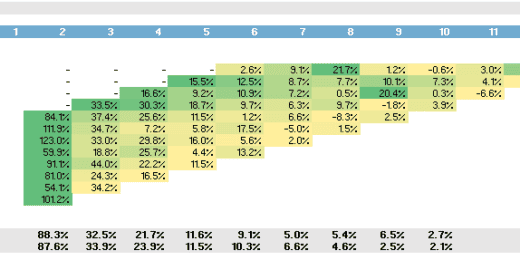

This meticulously crafted Excel model is designed for in-depth user…


A simple framework for any recurring revenue business (SaaS or…


The Business Plan Excel template and detailed feasibility study Word…
The toolkit is an essential resource for any organization, providing…
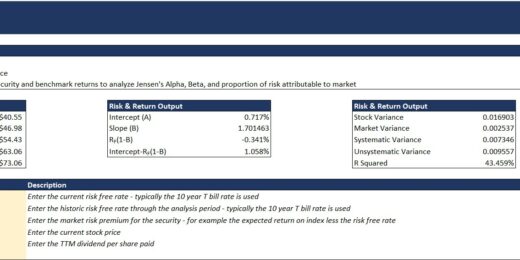

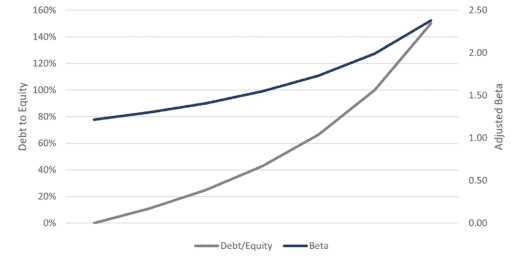


Excel model to calculate the expected value and return for…
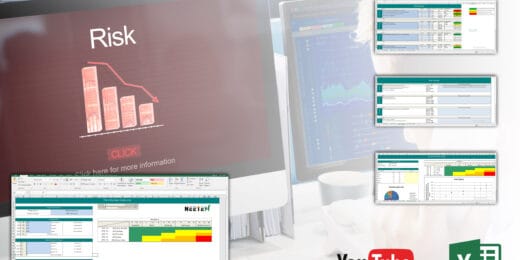

This Excel template is an easy-to-use tool that will help…


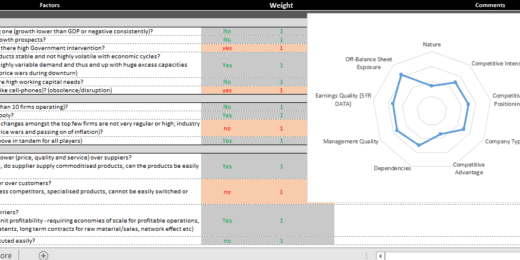

This scoring and valuation model will help investors or entrepreneurs…

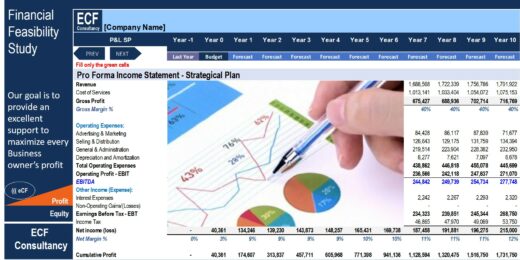
The report is containing full set of financial feasibility study…



Empowering Matrix Financial Planning for Future Success

In the intricate landscape of the Matrix industry, financial planning stands as a beacon guiding businesses toward sustainable growth and innovation. As industries evolve amid technological advancements and global market shifts, understanding the challenges and opportunities in financial planning is critical. Key trends shaping the Matrix industry emphasize the need for precise and robust financial strategies to ensure a competitive edge. Leveraging sophisticated tools like Excel templates not only streamlines financial planning but also enhances strategic decision-making. By integrating tailored solutions and best practices, companies can position themselves for future success in this dynamic field.
The Matrix industry, known for its complex interdependencies and transformative technology, demands a keen eye for financial planning nuances. Effective financial planning becomes a cornerstone for maintaining momentum and pursuing innovation, with a keen focus on sustaining growth through strategic investment and resource allocation. This article dives deep into the components essential to Matrix financial planning, explores leveraging Excel templates for enhanced financial modeling, and underscores the crucial role of strategic budgeting in navigating market dynamics.
Understanding the Matrix Industry Landscape
In the rapidly evolving Matrix industry, understanding the intricate landscape is vital for successful financial planning. The industry is characterized by its reliance on advanced technologies and the need for continuous innovation. As companies strive to achieve a competitive advantage, they face numerous challenges, including fluctuating market demands, technological advancements, and regulatory complexities. These dynamics make strategic financial planning more critical than ever.
One of the industry's notable trends is the accelerated pace of digital transformation, which demands significant investments in technology. Additionally, there is a heightened focus on sustainability and ethical practices, prompting companies to enhance their environmental, social, and governance (ESG) efforts. To align with these trends, businesses in the Matrix industry must adapt their financial strategies to ensure flexibility and resilience.
Financial planning plays a pivotal role in sustaining growth and fostering innovation within the Matrix industry. By analyzing financial data and market conditions, businesses can make informed decisions and allocate resources effectively. Key performance indicators (KPIs) provide valuable insights into a company's performance and guide strategic initiatives. Among these KPIs are customer acquisition cost, customer lifetime value, market penetration rates, and product development return on investment (ROI). Monitoring these metrics empowers businesses to align their financial strategies with their growth objectives.
Understanding the financial landscape of the Matrix industry requires a focus on these KPIs, which help companies assess the efficiency of their operations and identify areas for improvement. For example, keeping customer acquisition costs in check while maximizing customer lifetime value can enhance profitability. Similarly, evaluating product development ROI ensures that resources are allocated to projects with the highest potential for success.
Essential Components of Matrix Financial Planning
Successful financial planning in the Matrix industry involves identifying and understanding critical factors that influence business outcomes. Regulatory requirements and compliance costs are significant considerations, as non-compliance can lead to financial penalties and reputational damage. As governments implement stricter regulations to address environmental and safety concerns, companies must allocate resources to meet compliance standards.
Technology adoption and digital transformation expenses are also integral to financial planning in the Matrix industry. Companies must budget for cutting-edge technology investments that enhance operational efficiency and innovation. Embracing digital transformation requires careful planning to ensure that technology investments align with business goals and deliver measurable benefits.
Supply chain considerations are particularly important in the Matrix industry due to the complexity of matrix materials and their sourcing. Fluctuations in raw material prices, geopolitical tensions, and logistical challenges can impact supply chain stability. By incorporating these factors into financial planning, businesses can mitigate risks and ensure a steady flow of materials.
Cash flow management plays a crucial role in project-based and resource-heavy businesses operating within the Matrix industry. Managing cash flow effectively ensures that companies have the necessary funds to meet operational expenses and seize growth opportunities. Strategic budgeting techniques, such as zero-based budgeting and rolling forecasts, provide the agility needed to respond to market dynamics. Zero-based budgeting allocates resources from a zero base each period, promoting cost efficiency and eliminating unnecessary expenditures. Rolling forecasts offer a dynamic view of financial performance, allowing companies to adjust their plans based on real-time data and market conditions.
Leveraging Excel Templates for Effective Financial Planning
In the ever-evolving Matrix industry, MS Excel stands out as a preferred tool for financial modeling and planning. Its flexibility and customization capabilities make it an invaluable resource for tailoring financial models to the specific needs of Matrix businesses. Excel's real-time collaboration features allow teams to work together seamlessly, enhancing communication and decision-making.
Industry-specific Excel templates offer tremendous advantages, providing pre-structured formats that save time and minimize errors. Budgeting and forecasting templates tailored to Matrix projects streamline the creation of comprehensive financial plans. These templates integrate best practices and ensure accuracy, enabling businesses to allocate resources effectively and drive growth.
Investment analysis models are essential for evaluating new product launches in the Matrix industry. Excel templates designed for investment analysis provide a structured approach to assess the potential returns and risks associated with new ventures. By analyzing various financial scenarios, businesses can make informed decisions and maximize their return on investment.
Feasibility study templates focusing on Matrix solutions aid in assessing the viability of potential projects. These templates guide businesses through a systematic evaluation of factors such as market demand, cost structures, and potential challenges. By leveraging these templates, companies can make data-driven decisions and prioritize projects with the highest potential for success.
The benefits of using Excel templates over building models from scratch are significant. Templates save time and effort by eliminating the need to create complex formulas and structures from the ground up. With best practices embedded in the templates, businesses can be confident in the accuracy and reliability of their financial models.
Call to Action: Empower Your Financial Planning Today
The importance of effective financial planning in the Matrix industry cannot be overstated. In a landscape characterized by rapid technological advancements and complex regulatory environments, strategic financial planning is essential for sustained success and innovation. By aligning financial objectives with business goals, companies can navigate challenges and capitalize on opportunities.
Exploring the diverse range of financial model spreadsheet templates from eFinancialModels offers businesses tailored solutions to meet their unique needs. These templates provide a foundation for robust financial planning, allowing businesses to make informed decisions and drive growth. With expert guidance available, users can maximize the capabilities of these templates and enhance their financial modeling skills.
Taking proactive steps toward successful financial planning is a crucial investment in the future of any Matrix business. By embracing these strategies and utilizing industry-specific tools, companies can position themselves for long-term success. As the Matrix industry continues to evolve, the ability to adapt and innovate will be key to staying ahead of the competition. Embrace the power of financial planning and ensure a prosperous future for your Matrix business.
In conclusion, financial planning is the cornerstone of success in the Matrix industry. By understanding the industry landscape, identifying critical factors, leveraging Excel templates, and employing strategic budgeting techniques, businesses can empower their financial planning for future success. With eFinancialModels' array of resources, companies can strengthen their financial modeling capabilities and seize opportunities for growth and innovation.
FAQs on Matrix Financial Planning
- What is the Matrix industry? The Matrix industry is characterized by its complex interdependencies and transformative technologies. It demands continuous innovation and relies heavily on advanced technologies.
- Why is financial planning crucial in this industry? Financial planning is essential to navigate challenges, allocate resources effectively, and sustain growth amid technological advancements and market shifts.
- How do Excel templates aid in financial planning? Excel templates provide pre-structured, customizable formats for budgeting, forecasting, and investment analysis, saving time and reducing errors.
- What are the key performance indicators (KPIs) in the Matrix industry? Key KPIs include customer acquisition cost, customer lifetime value, market penetration rates, and product development return on investment.
- How can businesses adapt financial strategies to align with industry trends? By focusing on technology investments, sustainability, and compliance, businesses can adapt their financial strategies to industry trends.
- What role does strategic budgeting play? Strategic budgeting techniques like zero-based budgeting and rolling forecasts help manage cash flow and respond to market dynamics.
- Why should I consider using eFinancialModels' templates? These templates offer industry-specific solutions and best practices, supporting robust financial planning and informing strategic decisions.
You might also like: