
0 ITEMS

Call Centers
This category contains a list of financial model templates that are modeled after Call Center businesses and related business sectors.

Unlock your B2B SaaS venture's full potential with our B2B…


The Telehealth Services Company Financial Model with a 10+ Years…
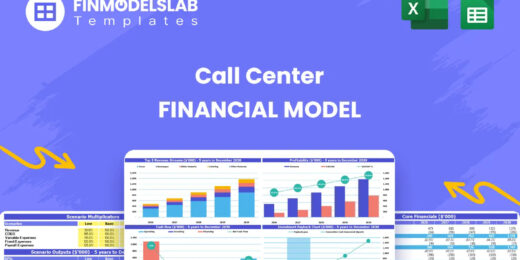

The Call Center Financial Model helps users build a structured…
Driving Profitability Through Effective Workforce Cost Analysis in Call Centers

In the competitive landscape of call centers, understanding and managing workforce costs is fundamental to driving profitability. As businesses strive to deliver exceptional customer service while maintaining financial sustainability, the focus on workforce cost analysis has never been more critical. Within this industry, where the interplay between human resources and technology is intricately linked to operational success, the ability to effectively analyze and manage workforce costs presents a significant opportunity for enhancing overall efficiency. This article explores the key components of workforce costs in call centers and underscores the importance of employing financial modeling and key performance indicators (KPIs) to optimize these costs.
Understanding Workforce Costs in Call Centers
Workforce costs in call centers encompass all expenses related to staffing, equating to one of the largest financial burdens in this sector. These costs include salaries, benefits, training, and turnover expenses. Salaries represent the fundamental component, often the most significant expenditure, as the business hinges on the labor-intensive efforts of its employees. Benefits, such as health insurance and paid leave, add to the financial obligations companies must meet to attract and retain skilled personnel. Training costs are vital since they directly impact the quality of service delivered to customers. As call centers continuously evolve with new technologies and processes, the need for ongoing employee training becomes paramount. Turnover, another crucial element, negatively impacts financial stability due to the costs associated with recruiting, hiring, and training replacements. In this context, managing workforce costs is not merely about cutting expenses—it's about strategic investment to ensure that the workforce is efficient, skilled, and satisfied. Understanding workforce cost drivers helps in this strategic investment.
Crucial to profitability is the concept of cost per contact, which measures the expense incurred for each customer interaction. By lowering the cost per contact through efficient workforce management and higher service quality, call centers can significantly enhance profitability. This metric serves as a vital indicator of the financial health and operational efficiency of a call center, guiding management decisions aimed at maximizing returns while ensuring customer satisfaction.
Key Performance Indicators (KPIs) for Workforce Cost Analysis
To effectively manage workforce costs, call centers must leverage specific KPIs that provide insights into operational performance and financial implications. Among the most critical KPIs are:
- Staffing Efficiency: This ratio indicates how well agents are utilized to handle the volume of contacts. A well-optimized staffing efficiency means less idle time, reducing unnecessary labor costs.
- First Call Resolution (FCR): The percentage of calls resolved on the first contact is critical for reducing follow-up interactions, thus decreasing costs and boosting customer satisfaction.
- Average Handling Time (AHT): Monitoring the average time taken to resolve a query helps identify time-consuming processes that may need streamlining to improve efficiency.
- Employee Attrition Rate: High turnover can reflect substantial replacement costs. By analyzing attrition rates, call centers can implement strategies to improve employee retention and mitigate these expenses.
- Occupancy Rate: This measures the percentage of time agents spend handling calls versus being idle. A balanced occupancy rate ensures agents are neither overworked nor underutilized, optimizing labor costs.
Each KPI provides a different perspective on where improvements can be made, offering insights into staffing strategies and potential areas of cost reduction. Through careful analysis of these metrics, call centers can identify opportunities to streamline operations and bolster profitability while utilizing financial performance benchmarks.
The Role of Financial Modeling in Workforce Cost Management
Financial modeling serves as an essential tool in managing workforce costs, enabling call centers to forecast and budget effectively. By integrating financial models into workforce planning, call centers can achieve several objectives that facilitate cost management:
- Resource Allocation: Financial models allow for the prediction of call volumes, assisting in determining optimal staffing levels. This foresight helps prevent overstaffing or understaffing situations that can lead to financial inefficiencies or compromised service levels.
- Scenario Analysis: This involves assessing the financial impact of various staffing scenarios, helping management understand the repercussions of different strategic decisions. This approach aids in planning for contingencies and aligning resources accordingly.
- Sensitivity Analysis: By evaluating how shifts in KPIs affect profitability, call centers can gauge potential risks and adapt to changes swiftly. This dynamic approach ensures call centers remain agile in responding to market demands and operational challenges.
- Historical Data Integration: Accurate predictions hinge on historical data. Incorporating past performance allows financial models to generate robust forecasts, thus facilitating informed decision-making.
Advantages of Using Excel Templates for Financial Planning in Call Centers
Microsoft Excel remains a favored tool for financial modeling in the call center industry due to its flexibility, accessibility, and comprehensive analytical functions. Excel allows for the customization of models tailored to specific operational needs, offering a platform that adapts to various complexities encountered in daily operations. Excel's built-in functions are particularly suited for performing complex calculations, enabling call centers to delve deep into workforce analysis with precision. Pre-designed user-friendly templates reduce setup time, allowing managers to focus more on analysis rather than technical modeling tasks. Specific templates available from eFinancialModels, such as workforce demand management and budget forecasting models, are crafted to address the unique challenges faced by call centers. These tools provide a solid foundation for streamlined financial planning, equipping managers with the insights needed to drive profitability.
Conclusion and Call to Action
In conclusion, effective workforce cost analysis serves as a cornerstone for profitability in call centers. By understanding the components of workforce costs and leveraging financial modeling and KPIs, call centers can strategically manage expenses while enhancing service quality. Whether through precise forecasting, scenario planning, or KPI tracking, these tools provide the insights necessary to make informed decisions that boost efficiency.
As the call center industry continues to evolve, staying ahead requires robust financial planning processes. Explore eFinancialModels’ extensive range of financial model templates to equip your call center with the tools necessary to enhance profitability and operational efficiency. Let these templates be your guide in navigating the complexities of workforce cost analysis, ultimately leading your call center to greater success.
Frequently Asked Questions about Workforce Cost Analysis in Call Centers
- What are the main components of workforce costs in call centers? Workforce costs include salaries, benefits, training, and turnover expenses. These are the primary financial components that need careful management.
- How can KPIs help in managing workforce costs? KPIs provide insights into operational performance and financial implications, helping to identify areas for improvement and cost reduction, thus optimizing workforce expenses.
- Why is financial modeling crucial for call centers? Financial modeling allows call centers to forecast demand and budget accurately, aiding in optimal resource allocation and scenario planning to manage costs effectively.
- What advantages do Excel templates offer for financial planning in call centers? Excel templates provide flexibility, ease of customization, and in-depth analytical capabilities, enabling call centers to perform precise workforce cost analysis and financial forecasting.
- How does the cost per contact metric influence profitability? Lowering the cost per contact through efficient workforce management and higher service quality enhances profitability by reducing the expense associated with each customer interaction.
You might also like: