0 ITEMS

Unveiling The Most Profitable Food Truck Secrets

The food truck industry continues to grow rapidly, driven by urbanization and consumer demand for diverse, convenient meals.
- The industry is projected to reach $1 billion in revenue by 2025, with a steady annual growth rate of around 7.5%.
- Choosing the right cuisine involves analyzing market trends, ingredient costs, and preparation efficiency to maximize profits.
- Location selection is critical, with factors like visibility, accessibility, and local demographics affecting foot traffic and sales.
- Effective marketing through social media, community events, and influencer partnerships can significantly boost visibility and customer engagement.
- Strong financial management, including budgeting, cost control, and revenue forecasting, is vital for long-term profitability.
Focusing on these key areas can help food truck owners build sustainable, profitable businesses.
Key Concepts Explored in This Article
This article aims to unveil the essential strategies and secrets that can enable food trucks to thrive in an increasingly competitive landscape. Below are some of the key areas we will delve into:
- Effective menu planning that caters to consumer preferences.
- Managing operational costs for optimal profitability.
- Designing a unique branding strategy that resonates with customers.
- Utilizing marketing strategies to enhance visibility and sales.
- Understanding legal requirements and compliance necessary for food trucks.
In the next sections, we will explore these topics in detail, providing actionable insights designed to help prospective food truck operators carve out a niche for themselves in this exciting industry. By embracing both culinary creativity and sound financial management principles, your food truck could turn out to be not just a fleeting business venture but a lasting and rewarding career path.
Choosing the Right Cuisine for Your Food Truck Business
In the ever-evolving landscape of the food truck industry, selecting the right cuisine is crucial for maximizing profitability. The food you serve can resonate with your target audience, but it also needs to be operationally efficient and cost-effective. To help you make an informed decision, we will explore several factors that influence cuisine selection.
Factors Influencing Cuisine Selection
When considering which cuisine to offer in your food truck, it is important to analyze various factors that can impact your business’s performance. Here are some key elements to consider:
- Market Trends: Stay updated on current culinary trends and popular dishes favored by consumers.
- Target Audience: Understand the preferences and dietary restrictions of your customer base.
- Cost of Ingredients: Assess the availability and pricing of required ingredients to maintain manageable overhead costs.
- Preparation Time: Evaluate the time needed to prepare and serve dishes to ensure efficient service.
- Scalability: Consider how easy it is to scale your menu items as your business grows.
This selection of factors will provide the foundation for making educated decisions about your food truck cuisine. Next, we will delve into some of the most popular cuisine types, comparing their potential profitability and cost considerations.
Comparison of Popular Cuisines
| Cuisine Type | Potential Profit Margin | Cost Considerations |
|---|---|---|
| Mexican | 60% – 70% | Moderate, possible bulk ingredient purchasing |
| Asian Fusion | 50% – 65% | Higher costs for specialty ingredients |
| Burgers & Sandwiches | 55% – 75% | Cost-effective, easily sourced ingredients |
| Vegan/Vegetarian | 50% – 70% | Varies, depending on specialty items |
This table outlines the potential profit margins and cost considerations associated with different types of cuisines. Each cuisine has its unique advantages and challenges. For example, while the burger and sandwich category boasts of high profit margins, it also faces intense competition. In contrast, Asian fusion cuisine might incur higher ingredient costs but can appeal to a niche audience willing to pay for unique offerings.
Pros and Cons of Popular Cuisine Types
It is important to weigh the strengths and weaknesses of each cuisine type to better align them with your business goals. The following provides a brief overview of the pros and cons of several popular cuisine options:
Mexican Cuisine
- Pros:
- Wide variety of flavorful options.
- Appeals to a broad demographic.
- Traditionally high-profit margins.
- Cons:
- Requires knowledge of authentic preparation.
- Can be challenging to maintain quality for diverse dishes.
Asian Fusion
- Pros:
- Popular among trend-conscious consumers.
- Potential for high margins with unique offerings.
- Cons:
- Requires specialized skills in preparation.
- Higher ingredient costs for authentic flavors.
Burgers & Sandwiches
- Pros:
- Easy to prepare and serve.
- Popular and widely accepted cuisine.
- Lower cost of ingredients and operational complexity.
- Cons:
- High competition from existing food trucks and restaurants.
- Requires unique selling points to stand out.
Vegan/Vegetarian
- Pros:
- Growing trend with an increasing consumer base.
- Potential for innovative, unique menu offerings.
- Cons:
- Ingredient sourcing can be challenging.
- Perceived as more expensive by some customers.
Selecting the appropriate cuisine for your food truck is not a simple task. By considering various factors—market trends, target audience, cost, and preparation efficiency—you will be better equipped to make an informed choice. The comparison of profit margins and the examination of pros and cons for popular cuisines will further assist in aligning your culinary offerings with your overall business strategy. You can explore various templates and financial models specifically designed for the food truck industry to facilitate your business planning and execution through this link.
Location Selection: The Heart of Your Food Truck Business
The old adage of ‘location, location, location’ holds especially true for the food truck industry. Choosing strategic operational zones can significantly enhance foot traffic and drive sales. When selecting ideal locations for your food truck, it is essential to consider several critical factors that impact your business’s success. Below, we will delve into key location factors, present a comparative analysis of potential sites, and explore how these choices affect overall profitability.
Key Location Factors to Consider
Understanding the factors that influence your choice of location can make a substantial difference in performance. The following are some of the vital aspects to consider when evaluating potential sites for your food truck:
- Accessibility: Ensure that the location is easily reachable for both customers and suppliers. Being close to main roads and parking facilities enhances convenience.
- Visibility: A location with high visibility will attract more customers. Consider spots with a lot of foot and vehicular traffic.
- Local Demographics: Analyze the local population’s preferences and spending habits to ensure that your food offerings align with their tastes.
- Competition: Assess the presence of direct competitors in the area. Too many competing food trucks can dilute your customer base.
- Permits and Regulations: Research local laws and zoning regulations to understand what permits are required to operate in specific areas.
- Events and Gatherings: Locations near community events or frequent foot traffic hotspots can offer opportunities for higher sales.
- Seasonal Variations: Be aware of how different seasons may affect foot traffic and whether the location can accommodate your business throughout the year.
These factors play a critical role in shaping the success of your food truck. By carefully analyzing each site against these criteria, you can make more informed decisions that will lead to increased foot traffic and greater profitability. A comprehensive understanding of these variables enables you to capitalize on every opportunity the market presents.
Location Comparison Table
To aid with your decision-making process, we have created a comparison table that evaluates different potential locations based on their foot traffic potential, associated costs, and variations through different seasons.
| Location | Foot Traffic Potential | Monthly Costs | Seasonal Variations |
|---|---|---|---|
| Downtown Area | High | High | Stable |
| Near University | Medium | Medium | High during school year, low in summer |
| City Park | Medium | Low | Higher in summer, low in winter |
| Event Venues | Very High | Variable | Peak during events |
As illustrated in the table, different locations offer unique benefits and challenges. While downtown areas may promise high foot traffic, they can come with elevated costs. Conversely, spots near universities may see fluctuations in traffic that correspond with the academic calendar. Event venues stand out with very high potential during event days, but it may require strategic scheduling to optimize sales opportunities effectively. Balancing the costs and potential profits will be essential in your final location choice.
The Impact of Location on Overall Profitability
The decisions made regarding location selection can significantly influence your food truck’s profitability. A location with high foot traffic can rapidly lead to increased sales but must be balanced with cost considerations. Moreover, factors such as local demographics should align with your target market to ensure offerings resonate well. An astute analysis of competition and market saturation levels at chosen locations can also determine long-term success. By effectively linking these elements, food truck owners can generate sustainable profits and maintain a competitive edge.
In conclusion, the right location not only affects immediate sales performance but ultimately influences the overall business strategy and operational sustainability. It is advisable to conduct thorough research and analysis, allowing you to identify the most advantageous sites for your food truck operations. For further assistance in financial planning and decisions related to your food business, consider exploring our range of industry-specific financial models at eFinancialModels.com to enhance your financial insights.
Standing Out in the Food Truck Scene: Innovative Marketing Strategies
To thrive in the competitive food truck market, it is crucial to implement innovative marketing strategies that truly resonate with your target audience. With a combination of traditional and digital marketing methods, you can achieve remarkable results and significantly enhance your visibility and sales.
Below are several effective marketing strategies that can help your food truck stand out from the competition:
- Digital Advertising: Utilize social media platforms such as Facebook and Instagram to promote your menu and engage with potential customers.
- Community Engagement: Participate in local events, farmers’ markets, and food festivals to build relationships and increase brand visibility.
- Promotions: Offer special deals or discounts during off-peak hours to attract more customers.
- Influencer Collaborations: Partner with local food influencers to leverage their followers and expand your reach.
- Mobile App Engagement: Develop a mobile app that includes loyalty programs, orders, and location tracking for customer convenience.
Incorporating diverse marketing channels can yield significant benefits, as demonstrated by various statistics. Below is a table that summarizes the effectiveness of different marketing channels for food businesses, along with relevant statistics from reputable sources such as HubSpot:
| Marketing Channel | Effectiveness (%) | Source |
|---|---|---|
| Social Media Advertising | 72% | HubSpot |
| Email Marketing | 60% | HubSpot |
| Influencer Marketing | 55% | HubSpot |
| Community Events | 50% | HubSpot |
| Search Engine Marketing | 48% | HubSpot |
The statistics presented in this table illustrate the significance of focusing on a broad diversity of marketing tactics. Social media advertising tops the list of effectiveness, which highlights the growing importance of online presence. Coupled with community engagement and influencer marketing, a balanced approach can lead to enhanced customer reach and engagement.
In conclusion, implementing a mix of both traditional and digital marketing strategies is essential for food trucks aiming to establish a strong market presence. By leveraging community relationships and the power of digital platforms, your food truck can not only attract new customers but also foster loyalty among existing patrons. To explore more about financial models specific for the food truck industry, consider visiting our Food Truck Financial Models page for insights that can further enhance your business planning.
Financial Management for Food Truck Success
No discussion about the most profitable food truck operation can overlook the significance of effective financial management. Strong budgeting practices are essential, and diligent tracking of sales metrics can help prevent potential pitfalls that may arise in this competitive industry. By implementing a robust financial strategy, food truck owners can ensure sustainability and growth.
Essential Budgeting Practices Checklist
To maintain a successful food truck operation, it is important to follow some essential budgeting practices. Below is a checklist that can guide food truck owners in establishing effective budgeting habits:
- Draft a comprehensive business plan outlining financial projections and operational costs.
- Set a realistic budget that accounts for all expenses, including fixed and variable costs.
- Regularly track and analyze sales metrics to identify trends and adjust budgets accordingly.
- Implement a cash flow management system to ensure sufficient funds are available for operational expenses.
- Utilize accounting software or financial modeling templates to streamline financial reporting.
- Regularly review your budget to identify areas for cost savings and improvements.
- Prepare for seasonal fluctuations by saving during high sales periods to mitigate low seasons.
This checklist offers a strategic approach to budgeting, encouraging food truck operators to regularly monitor their financial health. By following these practices, owners can gain better insight into their operations and make informed financial decisions that positively impact their bottom line.
Typical Costs Associated with Food Truck Operations
Understanding the typical costs associated with running a food truck is crucial for effective financial management. Below is a table that compares high and low expense areas within food truck operations:
| Cost Category | Low Expense Range | High Expense Range |
|---|---|---|
| Vehicle Purchase or Lease | $10,000 – $25,000 | $50,000 – $100,000 |
| Permits and Licenses | $500 – $2,000 | $2,000 – $5,000 |
| Food and Ingredients | $1,000 – $2,500 (monthly) | $5,000 – $10,000 (monthly) |
| Staff Wages | $1,500 – $3,000 (monthly) | $4,000 – $10,000 (monthly) |
| Maintenance and Repairs | $200 – $500 (monthly) | $1,500 – $3,000 (monthly) |
This table illustrates the varying costs associated with food truck operations, allowing owners to understand where expenditures may be higher or lower. Knowing these ranges helps in developing realistic budgets and in making informed decisions about where to allocate resources. It is important to remain aware of these costs to strategically manage financial health and operational efficiency.
Applying Financial Models for Revenue Forecasting
Leveraging financial models can significantly enhance the ability of food truck owners to forecast revenues and assess profitability potential. Financial models can help predict future sales based on various parameters, including historical data, seasonal trends, and marketing efforts. Here are a few ways to effectively use financial models for revenue forecasting:
- Build a revenue model that estimates sales based on daily operating hours, average orders per hour, and average spend per customer.
- Incorporate seasonal trends into the model to account for fluctuations in customer traffic during different times of the year.
- Utilize scenario analysis to understand potential outcomes based on varying inputs, such as price changes or increases in marketing spend.
- Regularly update the model with actual sales data to refine forecasts and improve accuracy over time.
- Engage with financial modeling templates to simplify the modeling process, making it easier to visualize and adjust projections as needed.
Using financial models for forecasting brings a structured approach to projecting revenues, allowing food truck owners to anticipate market changes and adapt their strategies accordingly. With the insights gained from these models, owners can make proactive decisions that drive revenue growth while managing costs effectively. For those interested in enhancing their financial skill set, templates specific to the food truck industry can be beneficial.
By establishing strong budgeting practices, understanding the cost structure of the operation, and applying financial models for revenue forecasting, food truck owners can secure their place among the most profitable operations in the food industry.
Unlocking the Secrets to Profitable Food Truck Management
To run a successful food truck business, it is essential to dive deep into understanding your market and strategically managing various facets of your business. Success in this competitive industry is not a one-size-fits-all approach; instead, it requires a keen insight into current trends, effective location scouting, and a solid marketing strategy. Below we outline critical areas to focus on, while also emphasizing continuous learning and adaptation as keys to thriving in this dynamic environment.
Key Areas to Consider
When managing a food truck, there are several key components to take into account. Each area directly influences your profitability and long-term success. Here are the primary components to focus on:
- Cuisine Selection: Choose a menu that resonates with your target audience and ensures uniqueness.
- Location: Identify optimal spots where your target customers frequent, such as busy streets, festivals, or events.
- Marketing: Utilize both traditional and digital marketing strategies to effectively reach potential customers.
- Financial Management: Implement sound financial practices, including budgeting and cash flow management, to keep your business on track.
Additionally, understanding local preferences can significantly enhance your menu offerings, ensuring they align with customer tastes. Consider researching local food trends and experimenting with your menu to maintain freshness. Moreover, having a robust marketing plan can amplify your visibility; this may include leveraging social media, creating attractive offers, and collaborating with local businesses.
Call to Action and Continuous Learning
The journey of running a profitable food truck business demands resilience, creativity, and ongoing education. Here are actionable steps you can take:
- Conduct regular market research to stay updated on customer preferences and competitors.
- Attend industry workshops and webinars to enhance your skills and knowledge.
- Network with other food truck operators to exchange best practices and insights.
- Invest in financial modeling tools to better predict costs and revenues.
By consistently applying these strategies, you will not only enhance your operational efficiency but also adapt to the ever-evolving market needs. Embrace continuous learning and remain agile in your approach; this will fortify your food truck experience and increase your chances of success within this vibrant industry.
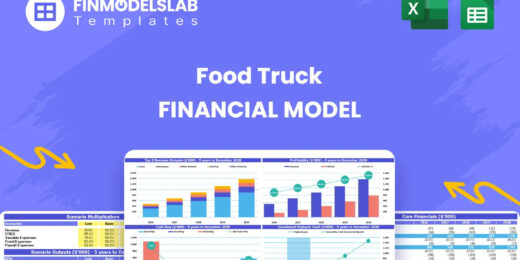
To assist you further in your financial planning, consider exploring our food truck financial model templates. These tools can provide insights into optimizing your operations and maximizing your profits.
What is the average profit margin for food trucks?
The average profit margin for food trucks typically ranges between 6% to 9%. However, this figure can vary widely based on several factors. Understanding these variables is crucial for prospective food truck owners, as they can significantly influence overall profitability and success.
Factors Affecting Profit Margins
Several key factors can affect the profit margins of food trucks. These include:
- Location: Operating in high-traffic areas or popular events can lead to increased sales.
- Operating Costs: Costs related to food, beverages, labor, and vehicle maintenance can eat into profits.
- Menu Pricing Strategies: Properly pricing menu items relative to food cost and demand can help maximize profit margins.
- Seasonality: Sales may fluctuate according to the season, affecting profitability.
- Customer Engagement: Successful marketing and customer loyalty strategies can enhance sales.
By considering these factors and implementing effective strategies, food truck owners can work towards increasing their profit margins within the average range or even exceeding it.
Additional Frequently Asked Questions
As interested individuals delve deeper into the food truck business model, they often have several pressing questions. Here is a selection of common inquiries along with concise answers:
What are the startup costs for a food truck business?
The initial investment for starting a food truck business can vary significantly. Here are some typical costs you might expect:
| Item | Estimated Cost |
|---|---|
| Food Truck Purchase | $20,000 – $100,000 |
| Permits and Licenses | $1,000 – $3,000 |
| Initial Inventory | $2,000 – $5,000 |
| Equipment and Setup | $10,000 – $30,000 |
| Marketing and Branding | $1,000 – $5,000 |
The total startup cost can range from approximately $34,000 to over $143,000, depending on the scale of the operation and individual choices. Proper budgeting and planning are essential components for success in this industry.
What customer engagement strategies can food trucks adopt?
Building relationships with customers is vital for any food truck. Here are some effective strategies:
- Social Media Presence: Leveraging social media platforms to announce locations, daily specials, and promotions can engage customers effectively.
- Loyalty Programs: Implementing a loyalty reward system can help entice repeat business.
- Interactive Events: Hosting cooking classes or food tastings can create memorable experiences and foster community engagement.
- Feedback Mechanisms: Encouraging customer feedback can improve services and build trust.
Using these approaches can significantly enhance customer satisfaction and loyalty, ultimately leading to higher sales and profits.
What health compliance requirements must food trucks meet?
Health compliance is non-negotiable for food truck operations. Here are some typical requirements that food truck operators must adhere to:
- Health Permits: Obtaining the necessary health permits based on local regulations is essential.
- Food Safety Training: Staff should be trained in food safety practices, including temperature control and cross-contamination prevention.
- Regular Inspections: Food trucks are subject to health inspections; maintaining cleanliness and safety standards can help pass these checks.
- Proper Food Storage: Implementing proper food storage techniques is crucial to ensure food safety.
By following these health compliance requirements, food truck owners can ensure they operate within the law while also serving safe and delicious food.
In summary, while the average profit margin for food trucks is between 6% and 9%, the journey toward profitability is multifaceted. Factors such as location, operating costs, customer engagement, and compliance with health regulations play vital roles in determining the overall success of a food truck. By understanding these elements and planning accordingly, aspiring food truck entrepreneurs can pave the way toward a lucrative business.