
0 ITEMS

Trademark
A trademark is a type of intellectual property consisting of a recognizable sign, design, or expression. In financial modeling, it may be considered when valuing a company's intangible assets. Our financial model templates include tools to value and manage trademarks, aiding in business valuation and strategic planning.
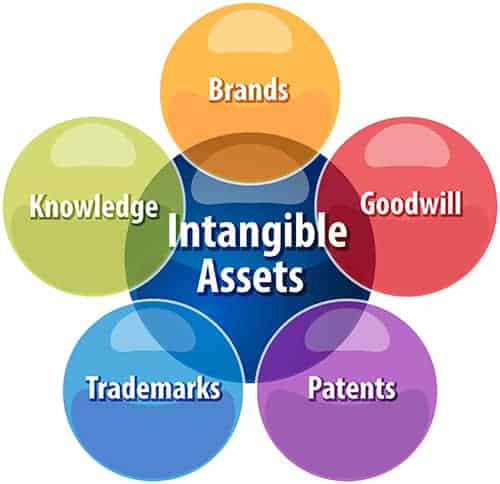

Intangibles are defined as “non- physical assets such as franchises,…
Financial Planning Insights for Trademark Success

The world of trademarks is a dynamic landscape where businesses vie for recognition, loyalty, and market dominance. In this highly competitive arena, having a solid financial plan is vital for leveraging the full potential of trademark investments. Trademarks are not just logos or symbols; they represent a brand’s identity and the trust of its consumers. Crafting a successful strategy around them requires understanding the nuances of the trademark industry, valuing these intangible assets accurately, and employing strategic financial metrics. This article delves into the importance of trademark financial planning, guiding stakeholders on how to use sophisticated models and templates to achieve trademark success.
Understanding the Trademark Landscape and Its Value
Navigating the trademark industry involves more than registering a brand name or logo; it’s about building and maintaining an identity that resonates with clients and stands the test of time. Trademarks serve as a brand's signature, distinguishing its goods or services in a crowded marketplace. Recognized as crucial intellectual property, trademarks carry immense value by fostering customer loyalty and enhancing brand recall. Recent trends indicate a surge in trademark registrations as businesses expand globally, reinforcing the importance of having protective identifiers. Market dynamics underscore a growing emphasis on innovation and brand differentiation, with businesses continuously exploring how trademarks can enhance their competitive edge.
Understanding what constitutes the value of a trademark is key for any business. Trademark valuation is a nuanced process that combines market positioning, reputation, and consumer recognition. Organizations assess trademark value using several methods, including the cost approach, market approach, and income approach, each offering different insights. The cost approach considers the expenses involved in developing the trademark, while the market approach examines comparable trademark sales. Meanwhile, the income approach forecasts the potential revenue attributable to the trademark. Real-world cases highlight how organizations view trademarks as strategic assets that drive growth and influence consumer behaviors, underscoring the need for a robust financial approach towards trademark management.
Analyzing Financial Metrics for Trademark Success
Financial success in the trademark realm hinges on unique industry-specific KPIs that provide visibility into trademark-related costs and outcomes. One primary aspect is trademark registration costs, which encompass initial registration expenses and renewal fees. These costs vary based on jurisdiction and the category of goods or services, necessitating careful budgeting. Additionally, occupancy costs of trademark management come into play, where legal and administrative expenses ensure the protection and enforcement of trademark rights. Monitoring these costs helps businesses forecast budgetary needs and protect their trademarks from infringement.
Another critical metric is the impact on sales revenue. Trademarks significantly influence customer choices, thus affecting a company's revenue stream. Effective trademark use leads to brand recognition, fostering consumer retention and translating into sales growth. Additionally, measuring market penetration rates is vital to track trademarks' success in new markets. By evaluating these rates, businesses can refine their strategies, ensuring their trademark portfolio aligns with market demands and driving sustained growth.
Evaluating a trademark portfolio’s health involves analyzing diversification, performance, and competitive standing. A diverse trademark portfolio mitigates risks and captures a wider market share, reflecting positively on financial health. Firms monitor individual trademark performance through metrics like brand equity and consumer perception, refining strategies for underperforming assets. Benchmarking against competitors helps maintain a competitive edge, providing insights into industry standards and innovative practices that bolster trademark success.
Developing a Financial Model for Strategic Trademark Management
A meticulously crafted financial model serves as a cornerstone for effective trademark planning and management. Financial models enable businesses to simulate scenarios, anticipate challenges, and make informed decisions regarding their trademark investments. Building an effective financial model tailored to the trademark industry involves several key steps, including data collection, analysis, and scenario planning. The process begins with identifying and forecasting costs, estimating projected revenue, and incorporating market trends and financial forecasts.
Key components of a trademark financial model consist of forecasting costs and projected revenue, two critical elements that shape a company’s financial strategy. By accurately estimating costs related to maintaining and expanding trademarks, such as registration fees and enforcement costs, businesses can plan budgets efficiently. Projected revenue reflects the expected financial benefits from trademark initiatives, showcasing the potential for growth. Additionally, scenario planning plays a vital role, allowing firms to develop various outcomes for trademark success amid fluctuating markets and evolving consumer preferences, ensuring preparedness for any eventuality.
Maximizing Financial Planning with MS Excel Templates
In the realm of financial planning, MS Excel templates emerge as powerful tools that streamline data management, foster flexibility, and enhance decision-making. Excel simplifies tracking trademark-related financial data, allowing businesses to consolidate information and generate comprehensive reports with ease. Its integration capabilities enable seamless connectivity with other financial systems and data sources, ensuring accuracy and coherence.
Customization and flexibility are standout features of Excel templates, offering the ability to tailor models to capture a trademark’s unique financial aspects. These customizable templates provide the agility needed to address specific business demands, such as adjusting for geographic market differences or aligning with strategic goals, thus empowering firms to remain competitive.
Moreover, Excel’s analytical tools transform raw data into actionable insights, greatly enhancing decision-making through visual analytics. Users can create visual representations of trademark performance, utilizing charts and graphs to showcase forecasts and historical trends. These visual tools facilitate a clearer understanding of data, supporting strategic decisions and advancing the potential for trademark success.
The Path to Trademark Success Through Smart Financial Planning
Trademarks serve as invaluable assets in today’s competitive marketplace, and their success is deeply tied to strategic financial planning. Industry-specific financial metrics, including trademark registration and management costs, significantly affect trademark success and, when monitored diligently, can drive revenue and market penetration. Building a robust financial model ensures that businesses are equipped to harness the full potential of their trademarks, managing costs effectively and predicting revenue streams.
At eFinancialModels, we recognize the vital role of Excel templates in optimizing financial planning efforts, offering customizable solutions designed to enhance efficiency and provide actionable insights. We encourage businesses to explore our financial model spreadsheet templates, unlocking opportunities to maximize their trademark value and achieve success in this complex field. By leveraging smart financial planning, companies can navigate the trademark landscape strategically, securing a strong, recognizable brand presence that stands the test of time.
FAQ
- Why is financial planning important for trademarks? Financial planning is crucial for trademarks as it ensures that businesses can effectively manage costs, forecast revenue, and maximize the value of their trademark assets in a competitive marketplace.
- How do trademarks add value to a business? Trademarks enhance a brand's identity, influence consumer choices, foster loyalty, and can significantly impact sales revenue and market penetration rates.
- What are the methods to assess trademark value? Trademark value can be assessed using the cost approach, market approach, and income approach, each providing different insights into the trademark's worth.
- What financial metrics are essential for trademark management? Essential metrics include trademark registration costs, occupancy costs, impact on sales revenue, and market penetration rates, each offering visibility into trademark-related financial outcomes.
- Why are Excel templates beneficial for financial planning? Excel templates streamline data management, offer customization and flexibility, and utilize analytical tools to provide actionable insights, making them ideal for efficient financial planning.