
0 ITEMS

Replacement Cost
Replacement cost is the cost to replace an asset at current prices. It's used in insurance, accounting, and investment analysis. Our financial model templates include tools to calculate and analyze replacement costs, aiding in asset management and valuation.


A premium Nuclear Fusion Project Finance Model designed for evaluating…
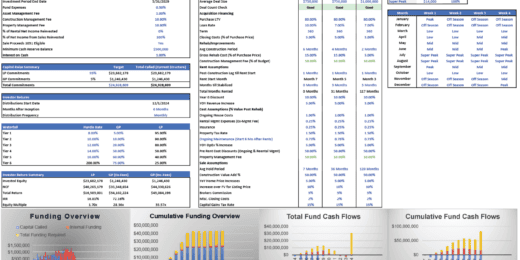

The Rental Property Investment Fund Model is a tool designed…


PV farm Tax Equity partnership in the US is designed…


A detailed and user friend financial model that captures 5…
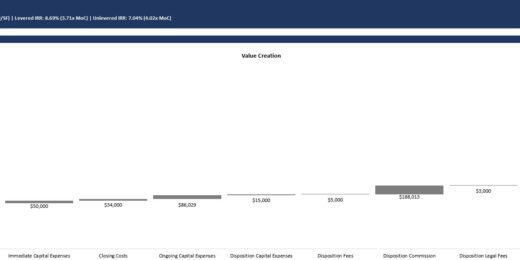

This Pro Forma Model is designed to analyze Principal Residence…
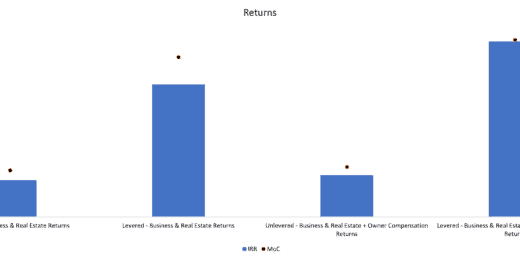
Pro Forma Models created this model to analyze the financial return…


This is a special project vehicle (SPV) for an Energy…

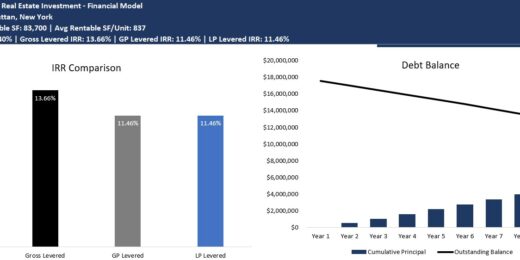
Pro Forma Models created this financial model to calculate and…
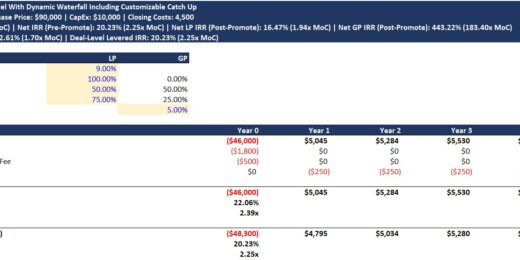
The waterfall model includes a dynamic catch up. This model…

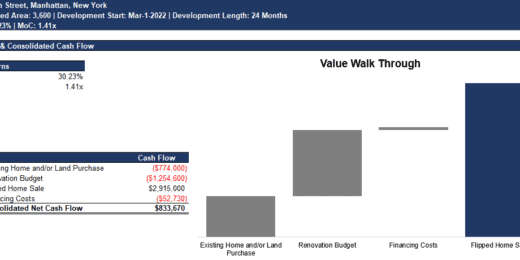
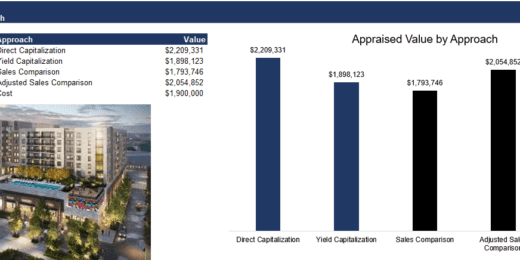
This model serves as a complete real estate appraisal toolkit…


Dynamic financial model presenting a potential acquisition of a Multi-Family…


A commercial real estate valuation model template assists in running…
Financial Planning Insights for Replacement Cost Success

In the ever-evolving world of financial modeling and strategic investment, defining and understanding replacement costs is crucial. Whether you are in insurance, real estate, or infrastructure, knowing how to accurately measure and predict these costs can be the difference between financial success and costly missteps. Here at eFinancialModels.com, we understand the need for industry-specific insights and sophisticated financial modeling templates. This article delves into the intricacies of replacement cost planning, outlining best practices, key performance indicators, and the benefits of leveraging Excel templates to enhance financial planning.
Understanding Replacement Cost: An Overview
Let's first clarify what replacement cost entails and how it can impact different industries. At its core, replacement cost is the cost required to replace an asset of a company or an individual with one of similar kind and quality at current prices. It goes beyond mere acquisition costs, encompassing all expenses involved in making an asset fully operational. This is critical in insurance, where policies must reflect true asset values to avoid underinsurance, leading to substantial out-of-pocket expenses when claims are made.
In real estate, replacement costs are fundamental in assessing the value of properties, ensuring that investments are sound and that funds are allocated efficiently for renovation or development. Infrastructure sectors rely on replacement cost estimates for asset management and sustainability planning, ensuring that structures like bridges and highways remain operational and safe over time. Accurate replacement cost estimation affects financial productivity, enabling businesses to strategize their investments better and plan for long-term growth without adverse budget impacts.
Key Performance Indicators (KPIs) for Measuring Replacement Costs
Effective financial planning for replacement costs requires monitoring several key performance indicators (KPIs). These KPIs provide valuable insights into the true value and lifespan of assets, informing both immediate and future financial decisions.
One essential KPI is the comparison of replacement cost versus market value. Understanding this relationship ensures that asset valuations are realistic, protecting against potential financial losses. Depreciation trends also play a significant role; assets depreciate over time, affecting their replacement costs. Monitoring depreciation trends helps anticipate changes and prepare for timely intervention or replacement as needed.
Furthermore, insurance coverage ratios are critical. These ratios measure the extent to which assets are covered under existing insurance policies versus their actual replacement value. The coverage ratio is a delicate balance; underestimating it can lead to insufficient protection, while overestimating it can result in unnecessary premium costs. Time to replacement is another crucial KPI that analyzes how quickly assets can be replaced to meet market demands. This metric ensures continuity in operations, mitigating the impact of asset downtime on business performance.
Tracking these KPIs is not just beneficial but necessary for strategic financial planning and decision-making. By actively monitoring them, businesses can optimize their investment strategies, ensure adequate protection, and enhance operational efficiencies through informed decisions. For further details on effective KPI tracking, see our guide on Key Performance Indicators.
Best Practices for Financial Modeling in Replacement Cost Planning
Creating a robust financial model for replacement cost planning involves several critical steps. These practices can significantly improve the accuracy and relevance of your financial forecasts.
Data collection is the foundation of any financial model. Identifying and sourcing reliable data on asset values, market fluctuations, and existing replacement costs is crucial. This data should be accurate and reflect both current and historical trends. Using historical trends allows for more informed future forecasting. By analyzing past data, businesses can detect patterns and use them to predict future costs with greater accuracy. For templates tailored for this purpose, consider our real estate financial model templates.
Scenario analysis is another vital practice. By creating different scenarios, such as best-case and worst-case scenarios, companies can prepare for various potential outcomes. This foresight helps mitigate risks by ensuring that contingencies are in place for unfavorable situations. Alongside scenario analysis, sensitivity analysis plays a crucial role. This involves assessing the impact of changes in variables, such as regulatory shifts or market changes, on replacement costs. Understanding these sensitivities supports better planning and helps in strategizing the right responses to external influences.
Emphasizing collaboration with cross-functional teams is also key. Finance, operations, and technical teams can provide diverse insights that refine financial models, ensuring they are comprehensive and precise.
Leveraging MS Excel Templates for Effective Financial Planning
MS Excel remains an invaluable tool for financial modeling, offering numerous benefits for planning around replacement costs. Its flexibility and customization capabilities allow users to tailor templates to specific industry needs, accommodating unique financial challenges and goals. The user-friendly interface of Excel ensures that stakeholders, regardless of their financial expertise, can seamlessly navigate through financial models.
Excel is equipped with advanced formulas and functions that automate complex calculations, minimizing the risk of human error. This not only enhances accuracy but also saves time by streamlining the modeling process. Moreover, Excel’s data visualization features enable clear presentation of findings. Through charts and graphs, complex data becomes easily digestible for stakeholders, facilitating informed decision-making.
eFinancialModels provides specialized Excel templates specifically designed for the replacement cost industry. These templates offer tailored solutions, enhancing your ability to perform detailed and accurate financial planning. By utilizing these tools, users can take advantage of proven formulas and methodologies that are trusted by industry professionals to achieve precise modeling outcomes.
Conclusion: Embracing Financial Planning for Replacement Cost Success
In today's intricate financial landscape, understanding and accurately calculating replacement costs is indispensable. By leveraging relevant KPIs, adhering to best practices in financial modeling, and utilizing specialized Excel templates, businesses can significantly improve their financial planning processes. These strategies not only streamline operations but also ensure robust asset management and financial sustainability.
Explore eFinancialModels’ comprehensive selection of financial modeling templates to simplify and enhance your financial planning for the replacement cost industry. Visit eFinancialModels.com to access the tools you need to succeed in your financial endeavors.
Frequently Asked Questions about Replacement Cost Planning
- What is replacement cost in financial planning? Replacement cost refers to the amount needed to replace an asset with one of similar kind at current prices, encompassing acquisition and operational costs.
- Why is understanding replacement costs critical in insurance? In insurance, replacement costs ensure policies cover true asset values, preventing underinsurance and unexpected out-of-pocket expenses during claims.
- How do replacement costs affect real estate investments? They are pivotal for valuing properties accurately, ensuring sound investments and efficient fund allocation for renovations or developments.
- What are key KPIs to monitor for replacement cost planning? Important KPIs include replacement cost vs. market value, depreciation trends, insurance coverage ratios, and time to replacement to gauge asset value and financial decisions.
- How does scenario analysis benefit financial modeling? It prepares companies for various outcomes, mitigating risks through informed contingencies for different market situations.
- What role does Excel play in replacement cost financial planning? Excel provides customizable templates with advanced functions to automate calculations, enhancing accuracy and facilitating data visualization for decision-making.