
0 ITEMS

List
In the context of financial modeling, a list refers to an organized collection of specific data, such as items, numbers, or text. Lists can be used to categorize and manage various financial elements, such as assets, liabilities, expenses, customers, products, or any other relevant information. Our financial model templates include features that allow you to create, manage, and analyze lists, aiding in data organization, reporting, and decision-making. Whether it's a list of suppliers, a product inventory, or a breakdown of revenue streams, our templates provide flexible and efficient tools to handle lists in your financial analyses and planning.
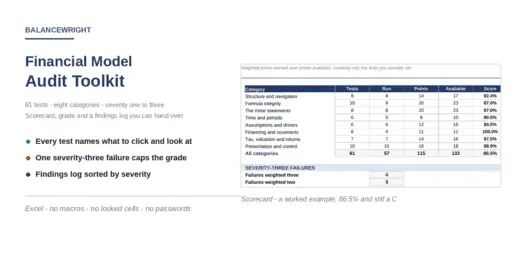

A checklist you run against a financial model - somebody…


A professional PFAS Water Treatment & Remediation Financial Model created…


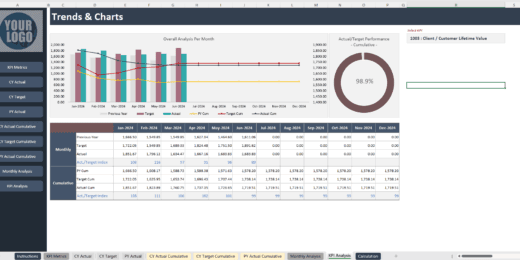
This Excel template is an effective tool for monitoring, evaluating,…
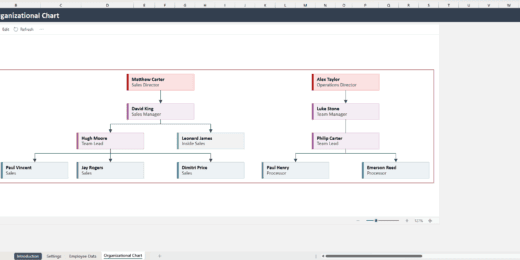
Visualize your company structure effortlessly with this Organizational Chart Excel…


IFRS 9 Excel template for calculation of Expected Credit Loss…
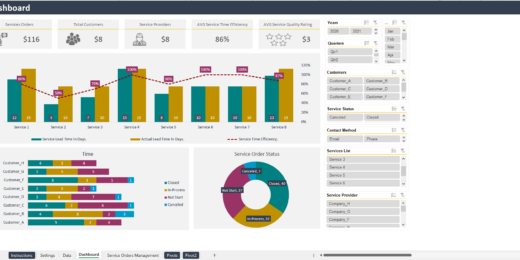
Efficiently Manage Service Orders and Enhance Customer Satisfaction
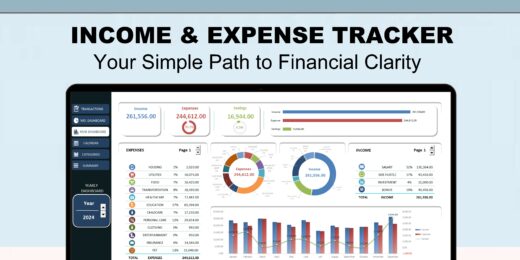

The Ultimate Income and Expense Tracker Spreadsheet is designed to…


Take charge of your finances effortlessly with our Personal Finance…

Revolutionize your business with the Complete Digital Transformation Excel Toolkit.…

Our Excel dashboard and template streamline small and medium architecture…

Empowers your business with real-time revenue and profit insights to…

Equips businesses with actionable insights for optimizing sales strategies tailored…

Our CEO Dashboard Excel Template provides a comprehensive overview of…


An integrated and comprehensive Blue Ammonia Production Plant Model that…


This is a set of financial models, tools, and templates…


Financial Planning Insights for List Industry Success

In today's dynamic and data-driven business environment, the list industry plays a vital role across various sectors by helping companies achieve targeted reach and effective customer engagement. This sector is instrumental in defining marketing strategies, segmenting audiences, and personalizing communication. With the digital landscape's rapid evolution, the importance of sound financial planning has never been more paramount for businesses operating within the list industry. Navigating the complexities of this industry requires strategic financial insight, allowing companies to make informed decisions that align with their growth and profitability goals.
The Role of Tailored Financial Models in Business Success
At the heart of successful financial management in the list sector is the use of tailored financial models. These models become instruments through which companies can visualize their financial health, project future growth, and strategize with confidence. By utilizing industry-specific financial models, businesses can shift from reactive to proactive planning, positioning themselves for sustained success. This article delves into the essential performance indicators, components of financial planning, and the transformative power of Excel spreadsheet templates in driving success within the list industry.
Key Performance Indicators: Benchmarks for Measuring Success
To effectively measure success in the list industry, several key performance indicators (KPIs) are essential. These metrics serve as benchmarks for evaluating business strategies and outcomes:
- Customer Acquisition Cost (CAC): Customer Acquisition Cost is a fundamental KPI that assesses the efficiency of a company's marketing efforts. By calculating the total cost associated with acquiring a new customer and dividing it by the number of new customers acquired during a specific period, businesses can determine how fruitful their marketing strategies are. A lower CAC often indicates effective marketing and sales practices, ensuring that resources are being used optimally.
- Lifetime Value (LTV) of Customers: Understanding the long-term profitability of customer relationships is pivotal. Lifetime Value allows businesses to project the total revenue expected from a customer over the duration of their relationship. This metric informs strategic planning by highlighting the potential return on investment for new customer acquisition efforts and encouraging businesses to focus on customer retention.
- Churn Rate: Churn Rate measures the rate at which customers disengage or stop using a service. In a subscription-based list business, high churn rates can severely impact financial planning. Tracking churn rates helps firms to innovate, improve customer satisfaction, and implement retention strategies that enhance long-term revenues. Managing churn effectively is crucial for maintaining profitability.
- Revenue per List/Segment: Revenue per List/Segment helps businesses understand which audience segments yield the highest profitability. By analyzing revenues generated from different list segments, companies can tailor their marketing efforts, optimize ad spend, and concentrate on the most lucrative audience profiles—a critical aspect of strategic decision-making.
Financial Planning Components for List Industry Growth
Financial planning in the list industry encompasses several critical components that facilitate growth and operational efficiency:
- Budgeting for Marketing & Acquisition: Sound budgeting is foundational in managing customer acquisition effectively. By setting realistic sales and marketing budgets, companies can align their resources to meet targeted CAC and LTV ratios. Cost-effective channels for customer acquisition should be prioritized to ensure an optimal mix of spending and strategic reach, leveraging data analytics to refine tactics continually.
- Operational Costs Management: Maintaining operational efficiency is crucial as companies scale their operations. Meticulous tracking and management of overhead costs help optimize margins and support financial health. Businesses must focus on processes and technologies that reduce waste, streamline operations, and foster innovation, ensuring sustainable growth and competitive advantage.
- Cash Flow Projections: Effective cash flow management is vital, particularly in an industry prone to seasonal fluctuations and rapid market changes. Creating robust cash flow projections allows businesses to anticipate potential downturns and funding requirements, while establishing buffer funds offers a safety net for unforeseen events, stabilizing financial operations over time. Utilizing cash flow templates can enhance this process significantly.
Excel Spreadsheet Templates for Effective Financial Strategies
Excel spreadsheet templates provide valuable tools for developing effective financial strategies. Here are some key advantages:
- Customizability: One of Excel's greatest strengths is its ability to be customized. Tailored financial models can be developed to meet the specific needs of any list business, allowing for scenario planning and forecasting that is aligned with unique industry dynamics. These models enable businesses to simulate various market conditions and explore different strategies for growth. Check out our custom financial model templates to see how they can fit your needs.
- Data Analysis and Visualization: Excel's data analysis and visualization capabilities are pivotal in tracking KPIs and identifying trends. The quick iteration of models aids in adapting to changing conditions, granting companies the agility needed in a fast-paced market. Visual representations make complex data comprehensible, facilitating better decision-making.
- User-Friendly Interface: Excel's accessible interface ensures that financial models are usable by teams with varying levels of expertise. The intuitive design streamlines data entry and reporting processes, allowing teams to focus their energy on analysis and strategy rather than navigating complex systems.
Frequently Asked Questions
Here are some common questions regarding financial planning in the list industry:
- What is the primary purpose of financial models in the list industry? Tailored financial models help businesses visualize financial health, project future growth, and strategize effectively. They promote a shift from reactive to proactive planning for sustained success.
- How does Customer Acquisition Cost (CAC) help businesses in the list industry? CAC assesses marketing efficiency by calculating the total cost of acquiring new customers and revealing the effectiveness of strategies. Optimizing CAC ensures resources are used efficiently.
- Why is Lifetime Value (LTV) crucial for financial planning? LTV projects the total revenue expected from a customer relationship, highlighting potential return on investments in customer acquisition and emphasizing retention strategies.
- What role does Excel play in financial planning for the list industry? Excel provides customizable financial models that enable scenario planning, data analysis, and trend visualization, all aiding in strategic decision-making and responding to market changes.
- How can companies manage operational costs effectively? By tracking and managing overhead costs meticulously, companies can maintain operational efficiency, optimize margins, and support sustainable growth while implementing innovative processes.
In the ever-evolving list industry, strategic financial planning is the linchpin of success. Tailored financial models and operational insights pave the way for informed decision-making and sustainable growth. Businesses that invest in understanding their financial metrics and leverage tools like Excel templates position themselves to not only navigate complexities but to thrive amid them.
To empower your financial planning and decision-making processes, explore the powerful Excel spreadsheet templates offered at eFinancialModels.com. These models are expertly crafted to fit the nuances of the list industry, propelling your business towards success. Embrace the opportunity to refine your strategies and achieve your strategic objectives with confidence and precision.
You might also like: