
0 ITEMS

Gas Stations
Discover the key to unlocking the potential of your gas station business with our expertly crafted financial model templates. Whether you're planning to launch a new station or optimize the profitability of an existing one, our templates provide detailed insights and user-friendly tools to manage your finances effectively. Dive into our resources today and start steering your gas station towards financial success with precision and confidence!

Model a service station the way the industry thinks about…


Bank-ready EV charging station financial model built for European projects.…


A professional Excel and Google Sheets financial model built for…


Plan, finance, and optimize an EV fleet depot charging project…

A professional EV Charging Station Financial Model designed for charging…


A practical, Excel-based financial model designed to evaluate the economics…

A ready-to-use Excel financial model designed to forecast the revenue,…


A comprehensive editable, MS Excel spreadsheet for tracking an EV…


Simplify your EV charging station startup’s financial planning with our…

Provides a comprehensive analysis of the financial viability and potential…
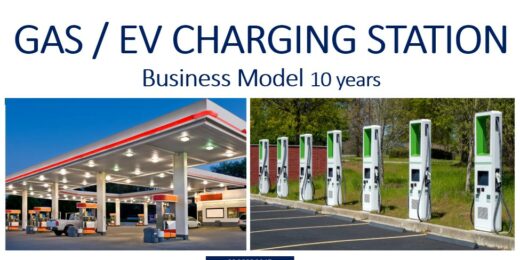

This model is adaptable and useful for a Gas Station,…


Financial model presenting a business scenario of a Gas Station,…


The Retail Financial Plan is an all-inclusive financial planning template…




Electric Vehicle (EV) charging Station FM helps user asses financial…


The Gas Station Financial Model Financial Model Template helps entrepreneurs,…


Investors can assess the viability of setting up and investing…
Are Gas Stations Profitable? Insights to Success

What Is the Definition of a Gas Station Business?
A gas station business, also known as a filling station or petrol station, is a retail establishment that sells fuel and engine lubricants for motor vehicles. The range of fuels typically includes gasoline (petrol), diesel, and various alternative fuels such as CNG, LPG, ethanol blends, biogas, and biodiesel. Many gas stations enhance their service offerings with convenience stores, car wash facilities, and sometimes additional services like quick automotive repairs or food sales. These ancillary services are designed to increase customer convenience and boost the station's revenue, adapting to evolving market demands and consumer expectations. As the popularity of electric vehicles continues to grow, gas stations are not just adapting but also embracing the change by offering EV charging options alongside traditional fuel pumps. This strategic move not only helps the business stay relevant in a changing automotive landscape but also opens up new horizons. Integrating EV charging stations allows gas stations to attract a new customer base and generate additional revenue streams, painting a bright future for the industry.Strategic Shifts in a Gas Station Business Model
As the gas station business model evolves in the modern economy, it increasingly focuses on diversifying revenue streams beyond selling fuel. This shift is driven by several factors, including the relatively low-profit margins on gasoline and changing consumer behaviors. Goals: A traditional gas station business primarily focused on servicing vehicles with fuel, but there has been a significant shift towards a customer-centric approach in recent years. This transition involves expanding services and amenities to enhance the overall customer experience, moving beyond just refueling cars to becoming multifunctional service hubs. Modern gas stations now often include convenience stores, food outlets, coffee shops, and clean restrooms aimed at catering to a broader range of customer needs and preferences. This strategy increases dwell time and spending per visit and builds brand loyalty by creating a more engaging and comfortable environment. Ownership: Today, gas station ownership is predominantly a mix of franchise operations and independent ownership. Major oil companies have increasingly divested from direct retail operations and are now focusing on upstream activities like exploration and production. This shift reflects a broader transformation in the industry, primarily driven by the thin profit margins on fuel sales and the high capital expenditures/operational costs associated with running retail gas outlets. Primary Revenue: Historically, gas stations' primary revenue has been the sale of gasoline and diesel. However, margins on fuel sales are typically slim because of high competition and other market factors. Modern gas stations are increasingly leveraging their convenience stores by expanding product offerings to include grocery items, hot foods, and gourmet coffee, turning them into one-stop shops for busy commuters. Besides, they have higher profit margins compared to fuel.
What Are the Profit Margins for Gas Stations?
Gas stations strategically operate with varying profit margins across different aspects of their business, from fuel sales to service bays and convenience stores. While fuel sales often have thin margins, service bays and convenience stores are key areas that typically offer much higher profitability, providing a significant boost to the overall business. Gas & Fuel: A gas station business typically has low-profit margins on gasoline and fuel sales, usually ranging from 5 to 15 cents per gallon. This low margin results from the industry's highly competitive nature and the high costs of purchasing and maintaining fuel inventories. The actual profit per gallon can vary significantly depending on the region, wholesale prices, and other operational costs. As fuel sales are the primary driver of customer traffic to gas stations, many operators use low fuel prices as a loss leader to attract customers to higher-margin offerings like service bays and convenience store items. Service Bay: Service bays at gas stations, where auto maintenance and repair services are offered, generally provide much higher profit margins than fuel sales. These margins can be substantial, ranging from 50% to 65%. Services such as oil changes, tire repairs, and general automotive repairs yield higher profit margins and help build customer relationships. They provide a stable revenue stream distinct from the volatile fuel market. These services often require specialized skills and equipment, contributing to higher pricing and profit margins. Convenience Store: The convenience store component of gas stations is another area with significantly higher profit margins, often exceeding those of both fuel sales and service bays. The margins here can range from 20% to 40% on various products such as snacks, drinks, and other retail items. Convenience stores benefit from impulse purchases and the convenience factor, as customers often buy these higher-margin items during their visit to purchase fuel. This business segment is critical for overall profitability, leveraging high foot traffic driven by fuel sales to increase overall revenue.Tips to Increase the Profitability of Your Gas Station
Increasing a gas station's profitability is essential for securing its long-term sustainability and growth. Higher profits enable the business to reinvest in facility upgrades, expand services, and adopt new technologies. These, in turn, enhance the customer experience and boost loyalty. Additionally, a profitable gas station can better withstand economic fluctuations and volatile fuel prices, maintaining a competitive edge in a fiercely competitive market. Better Inventory Management: Effective inventory management is crucial for ensuring that popular items are always in stock while avoiding overstocking, which can tie up capital unnecessarily. It involves regularly reviewing which items sell quickly and which do not and optimizing the supply chain to reduce costs. It can also include negotiating better terms with suppliers or finding more cost-effective ones. Embrace a Dynamic Pricing Strategy: By implementing a dynamic pricing strategy, you can adjust fuel prices at your gas station in response to inflation and market conditions. This could involve altering prices based on wholesale fuel cost fluctuations, competitor pricing, or demand shifts throughout the day or week. The flexibility in your pricing can help you maximize margins during peak demand and remain competitive during slower periods, ultimately boosting your profitability and market position. Prioritize Exceptional Customer Service: The quality of customer service at your gas station can be a key differentiator from your competitors. Ensuring your staff are friendly and helpful, maintaining a clean and safe environment, and promptly addressing customer issues are all crucial. Superior service not only enhances customer satisfaction and loyalty but also fosters repeat business, contributing to your overall success. Provide Loyalty Incentives: Offering loyalty programs can encourage customers to return to your gas station. These programs might include discounts, rewards for multiple purchases, or special promotions for members. Loyalty incentives not only foster repeat business but also help collect customer data that can be used for targeted marketing and further improvements. Stay Ahead with Automotive Supply Trends: Keeping abreast of trends in the automotive industry can help you anticipate changes in consumer needs and preferences. For example, if there's a surge in electric vehicles, your gas station could consider installing charging stations. Understanding these trends allows you to adapt your offerings, remain relevant, and attract customers, potentially leading to business growth. Strategically Arrange Your Fuel Pumps: The physical layout of your fuel pumps can impact how easily customers can access them, which can influence their decision to choose your gas station over another. Optimizing the arrangement for easy entry, exit, and maneuverability can enhance the customer experience, reduce congestion, and potentially attract more business by increasing throughput during busy periods.
Fueling Success: The Power of a Gas Station Business Plan
Are gas stations profitable? In conclusion, gas stations' profitability hinges significantly on their business model and the intricacies of their profit margins. Typically, gas stations operate on relatively thin profit margins from fuel sales, often just a few cents per gallon. However, they can substantially increase their profitability through ancillary services such as convenience store sales, car washes, and maintenance services, which offer higher margins. By diversifying their revenue streams beyond fuel sales, gas stations can leverage these additional services to boost profitability. Moreover, a well-crafted gas station business plan is crucial for steering toward success. Such a plan outlines the financial and operational strategies and anticipates potential challenges and ways to mitigate them. By incorporating market research, competitive analysis, and transparent financial projections, a business plan acts as a roadmap, guiding the business through the complexities of the market. This plan effectively ensures that the gas station remains competitive, adapts to changing economic conditions, and achieves sustainable profitability. In essence, a strategic gas station business plan is the fuel that powers its journey toward financial success.
You might also like: