
0 ITEMS

PowerPoint Presentation
In financial modeling, a PowerPoint presentation could be used to present financial data, analyses, and strategies in a visually appealing and understandable format. Our financial model templates can be integrated with PowerPoint, allowing you to create compelling financial presentations.


This document is an investment teaser presentation, designed to attract…


Apple Inc. Financial Model is a robust, all-encompassing financial model…


Combo! Easy to use Excel spreadsheet + PowerPoint presentation. That's…


Master the Art of Planning, Executing, and Finalizing Projects. This…


This Excel model is a highly adaptable and user-friendly tool…
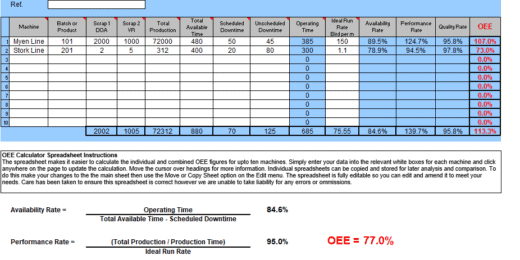

What Is Overall Equipment Effectiveness (OEE)? Overall equipment effectiveness (OEE)…
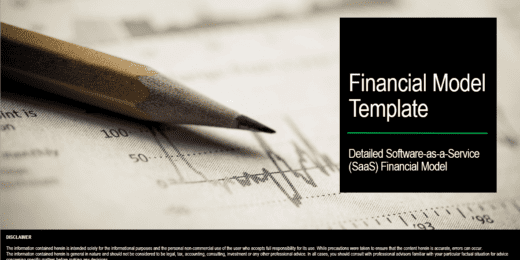

This is a detailed and easy-to-use Software-as-a-Service (SaaS) financial model.…


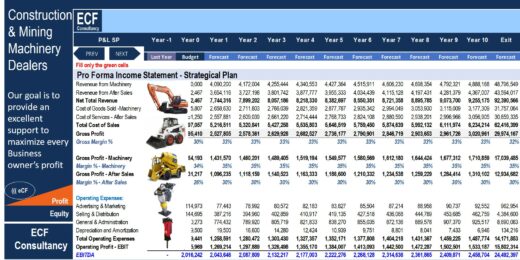
If you dream to start or develop a construction &…
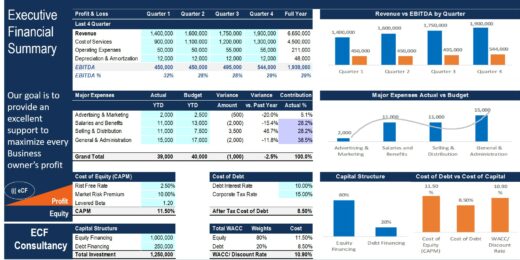
The template provides the reader a brief financial report, clear,…
Crafting Effective Financial Plans for Powerful Presentations

In today's fast-paced business environment, the ability to craft impactful financial plans has become increasingly crucial, especially within the PowerPoint presentation industry. As presenters strive to convey complex financial narratives in easily digestible formats, the art of financial planning intersects with presentation skills, creating a unique set of challenges and opportunities. Effective financial plans act as a roadmap for decision-making, enhancing storytelling by backing assertions with data-driven insights. This article explores the vital components of financial planning tailored to the presentation sector, emphasizing the utility of MS Excel spreadsheet templates in managing and presenting financial data effectively.
Effective financial planning is a cornerstone for successful presentations, helping presenters not only narrate numbers but also craft compelling stories that drive action. With the right financial models, businesses can make informed decisions, anticipate potential challenges, and seize opportunities for growth. This exploration delves into the essential elements of financial planning for presentations, providing insights into key performance indicators (KPIs), budgeting strategies, scenario analysis, and the unparalleled benefits of leveraging MS Excel templates.
Understanding Key Performance Indicators (KPIs) for Presentation Projects
Financial planning within the presentation industry hinges on the identification and monitoring of specific key performance indicators (KPIs). These metrics offer quantitative backing for assessing the health and potential of presentation projects, serving as vital tools for evaluation and forecasting.
- Client Acquisition Cost (CAC): Analyzing the costs related to acquiring new clients is paramount. CAC represents the total expenses incurred to gain a new customer, providing insight into the efficiency and effectiveness of marketing strategies. A thorough examination of CAC allows businesses to optimize spending on marketing and client outreach, ensuring resources are used efficiently.
- Customer Lifetime Value (CLV): Calculating CLV is critical in understanding the long-term value a client brings to the business. By determining the total revenue expected over the entirety of a client relationship, companies can tailor their strategies to foster long-term client satisfaction and loyalty, ultimately enhancing profitability.
- Project Utilization Rate: Monitoring how effectively team members are utilized on presentation projects is key to resource management. The Project Utilization Rate assesses the proportion of time spent on billable client work versus non-billable activities, enabling firms to maximize productivity and streamline operations.
- Billable Hour Rate: Understanding the average hourly rate charged for services is essential in pricing strategy. The Billable Hour Rate influences project budgeting and profitability by ensuring the business covers costs and achieves its desired margin.
These KPIs are integral to financial models, providing a clear picture of current performance and guiding future business decisions. By integrating these indicators into Excel-based financial models, businesses equip themselves with the analytical tools necessary for robust evaluation and accurate forecasting.
Budgeting for Presentation Projects: Essential Considerations
Crafting an effective budget for presentation projects requires an understanding of the unique nuances within the industry. These considerations ensure that resources are allocated efficiently to meet client demands and market conditions.
- Resource Allocation: Identifying the optimal allocation of resources enables organizations to maximize efficiency. By strategically distributing personnel and resources, businesses can meet client demands without overextending their workforce, ensuring projects are completed effectively and on time.
- Time Management: Assessing time-related costs and project timelines is critical in budgeting. Effective time management helps maintain project momentum and ensures timely delivery, allowing for better anticipation of potential delays and the associated costs.
- Technology Investments: Budgeting for software, tools, and training in presentation design is imperative. The right technological investments enhance the quality of presentations while streamlining design processes, providing a competitive edge through innovation and efficiency.
In this dynamic industry, a flexible budgeting model is key to adapting to changes in client requirements or market trends. Incorporating flexibility into budget plans enables businesses to remain agile and responsive, navigating shifts with minimal disruption.
The Role of Scenario Analysis in Presentation Financial Planning
Scenario analysis is an invaluable component of financial planning, particularly in the presentation industry, where variability in project outcomes is common. This analytical process allows businesses to evaluate different potential scenarios, preparing them for both favorable and challenging conditions.
Scenario analysis involves assessing best-case, worst-case, and expected scenarios, providing a holistic view of potential future states. This foresight informs strategic decision-making, enabling businesses to anticipate changes and adapt plans accordingly. MS Excel templates facilitate scenario analysis by offering a customizable structure for simulating various outcomes. These templates allow users to input different assumptions, automatically adjusting projections to reflect the impacts of each scenario. The visualization of these scenarios in presentations aids in stakeholder engagement, illustrating the potential implications of strategic decisions clearly and compellingly.
Why MS Excel Templates are Essential for Financial Planning
The use of MS Excel templates in financial planning offers numerous advantages, making them indispensable in the presentation industry. These templates provide a foundation for creating comprehensive financial plans tailored to specific business needs.
- Customization: Excel templates can be tailored to align with unique business requirements and financial metrics. This customization ensures that the templates capture the specifics of the presentation industry, addressing the precise challenges and opportunities it faces.
- Efficiency: Pre-designed Excel models streamline the financial planning process, reducing time spent on manual data entry and allowing teams to focus on analysis and strategy development. This efficiency is crucial in a fast-paced, deadline-driven environment.
- Data Analysis: Excel's powerful analytical functions enable the creation of dynamic forecasts and in-depth reports. Businesses can utilize these features to decipher complex data patterns, making informed decisions supported by robust analysis.
eFinancialModels provides a wide range of Excel templates that cater to the unique needs of the PowerPoint presentation industry. These templates serve as a valuable resource for businesses seeking to enhance their financial planning processes and drive impactful presentations.
Conclusion: Enhancing Financial Acumen for Impactful Presentations
In conclusion, the intersection of finance and presentation skills underscores the importance of strategic financial planning in crafting powerful presentations. By understanding and leveraging key performance indicators, creating adaptable budgets, employing scenario analysis, and utilizing Excel templates, businesses can significantly enhance their presentation strategies. Robust financial planning not only supports effective storytelling but also directly contributes to winning pitches by providing data-backed confidence in decision-making. We invite readers to explore eFinancialModels' extensive library of financial model spreadsheet templates, empowering them to elevate their financial planning processes and create impactful presentations that resonate with their audience.
FAQ
- What are the essential KPIs for presentation financial planning? The essential KPIs include Client Acquisition Cost (CAC), Customer Lifetime Value (CLV), Project Utilization Rate, and Billable Hour Rate, providing critical insights for evaluating and forecasting project success.
- How can scenario analysis benefit presentation projects? Scenario analysis helps businesses prepare for different project outcomes by evaluating best-case, worst-case, and expected scenarios, thereby informing strategic decision-making and enhancing adaptability.
- What role do Excel templates play in financial planning? Excel templates facilitate efficient and customized financial planning by offering pre-designed models that streamline data analysis and forecast creation, vital for a fast-paced presentation industry.
- Why is budgeting critical for presentation projects? Effective budgeting ensures optimal resource allocation, time management, and technology investment, enabling businesses to meet client demands efficiently without overextension.
- How do financial plans contribute to successful presentations? Financial plans support presentations by providing a data-driven narrative that enhances storytelling, decision-making, and ultimately aids in securing client pitches through compelling evidence.
You might also like: