
0 ITEMS

Personal Budgets
This category includes financial model templates for personal budgets. Personal budgets are essential in keeping track of your savings and expenses, however small your income is. By closely monitoring your budget, you can set a certain percentage for long-term investment and retirement. You can also cut unnecessary expenses to increase your savings.


Institutional-grade multi-tranche debt schedule in Excel: Revolver, Term Loan A/B,…


Take control of your finances with our all-in-one Personal Budget…


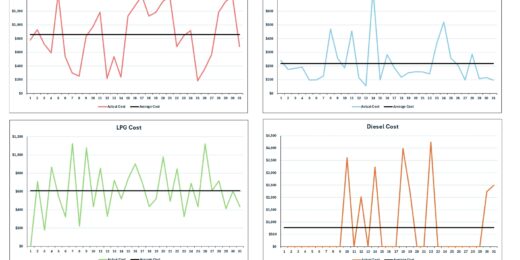


Simple Bookkeeping for Business & Personal Use with Multiple Accounts…


A versatile and advanced Financial Forecasting Model built to suit…

Mortgage, Loan, and HELOC Amortization Spreadsheet. This comprehensive Excel sheet…
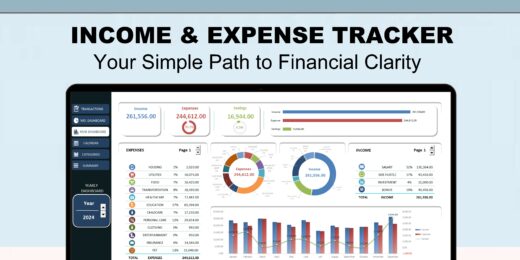
The Ultimate Income and Expense Tracker Spreadsheet is designed to…
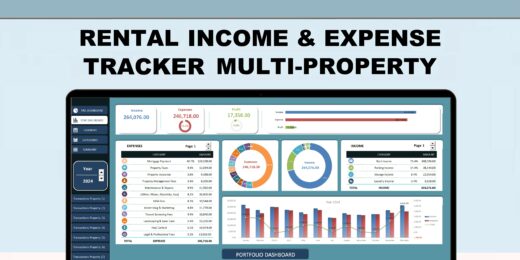
The RENTAL INCOME & EXPENSE TRACKER MULTI-PROPERTY is the ultimate…


This University Starters Budgeting tool helps students manage income, expenses,…


User-friendly Excel template to compare financial outcomes of buying versus…


Take charge of your finances effortlessly with our Personal Finance…


Elevate your venture capital strategy with the VC Startup Portfolio…
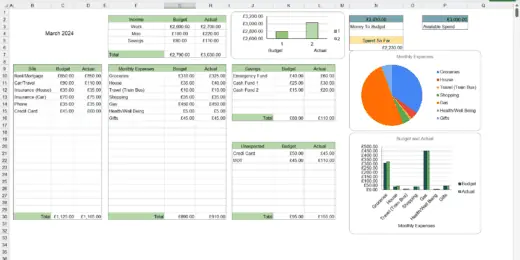

Ultimate Budget Spreadsheet, Budget Dashboard, in both Google Sheets and…


One Excel file for this bundle of Valuation and Financial…


Lifetime access to all future templates as well! Here is…
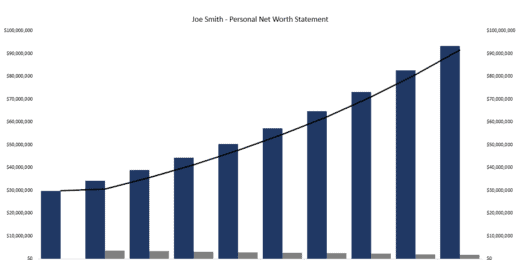

This model can be used to prepare, forecast, and analyze…



Financial model presenting a development scenario for an Office Building…

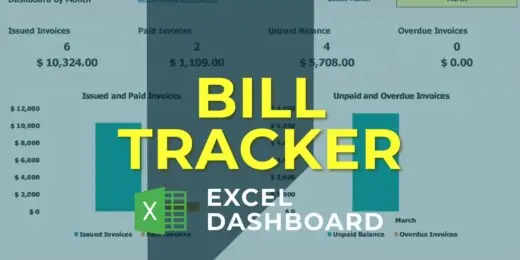


Download a simple and smart personal budget template. Plan the…
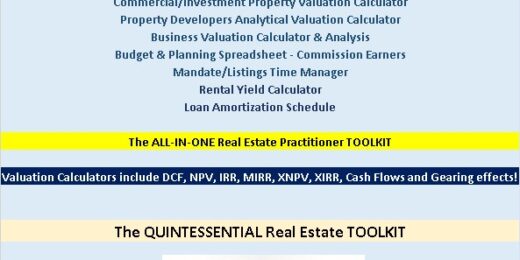
Professional Realtors need a professional Toolkit which allows them to…
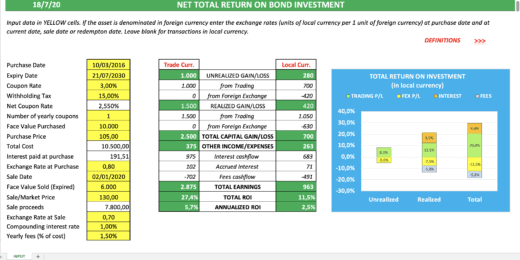

CALCULATE NET TOTAL RETURN ON BOND INVESTMENT DENOMINATED IN ANY…
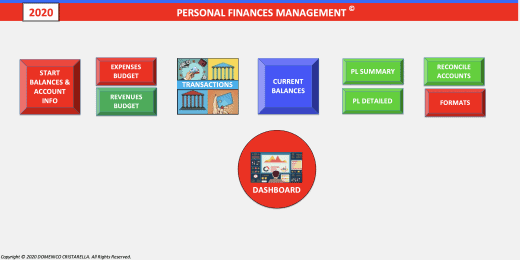
A useful tool to help you take control of your…
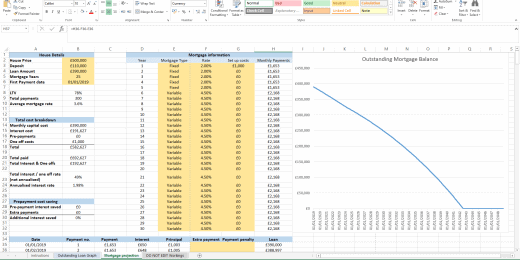

The mortgage calculator helps you understand your mortgage costs, different…


A easy to use and intuitive tool to track your…


See if your income generating assets will be enough to…
Empower Your Future with Smart Personal Budgets Planning

In today’s fast-paced world, maintaining financial health is imperative, yet it often falls by the wayside for many individuals. The foundation of solid financial management is a well-planned personal budget, an essential tool that empowers individuals to achieve their financial goals and navigate challenges. Proper personal budgets planning can be transformative, helping individuals save for significant ventures like buying a home, embarking on a dream vacation, or even securing a comfortable retirement. By understanding the significance of effective personal budgeting, you can set a course toward financial stability and future prosperity.
Personal budgets are the roadmap that guides you to meet desired financial outcomes, especially when life throws unexpected financial challenges like debt or unforeseen expenses. However, with careful planning and use of financial tools like Excel templates, these challenges can be better managed. In this article, we will explore the intricacies of personal budgets, understand their role in financial wellness, and learn how to craft a budget using Excel templates to pave the way for a financially secure future.
Understanding the Vital Role of Personal Budgets in Financial Health
A personal budget essentially tracks income and expenditures over a set period, serving as a blueprint for managing your finances effectively. It allows individuals to allocate their financial resources towards essential categories like housing, food, and utilities while leaving room for discretionary spending. This practice is pivotal in personal finance management as it not only restrains overspending but also directs money towards achieving long-term financial goals such as saving for a house, a vacation, or retirement.
Many face hurdles like mounting debts, lack of savings, and emergencies, which underscore the necessity of a personal budget. By incorporating key performance indicators (KPIs) into your budget—such as savings rate, debt-to-income ratio, expense breakdown, and emergency fund coverage—you can gain insights into your financial standing. The savings rate indicates how much of your income is set aside, while the debt-to-income ratio helps assess financial strain. Distinguishing between fixed (essential) and variable (discretionary) costs in your expense breakdown provides clarity on spending patterns, ensuring that you are prepared for both anticipated and unplanned expenses with an emergency fund. Learn more about how tracking these metrics can help in your financial planning.
Setting SMART Goals as the Foundation of Your Budget
Effective personal budgeting begins with setting clear, SMART goals—Specific, Measurable, Achievable, Relevant, and Time-bound. These objectives shape the framework of your budget by determining the focus areas for spending and saving. For instance, if your goal is to buy a car within two years, your budget will need to prioritize saving over leisure spending.
To succeed in this endeavor, prioritize your financial goals by categorizing them into short-term and long-term objectives. Short-term goals, like saving for a vacation or emergency fund, usually require a quicker accumulation of funds, while long-term goals such as retirement planning or purchasing a home demand a more prolonged and strategic approach. Assess the impact of each goal on your overall financial health, ensuring alignment with your lifestyle and income potential.
Here are actionable steps for goal-setting:
- Create a vision board to help visualize and prioritize financial goals.
- Employ financial apps or tools to track progress and make necessary adjustments.
Step-by-Step Guide to Crafting Your Personal Budget
Creating a personal budget involves a systematic approach to understanding and managing income, expenses, and savings. Begin by assessing your current financial situation, including all income sources and existing monthly expenses. This initial evaluation is crucial in identifying how much money flows in and out, forming the basis of your budget. Expenses must be categorized into fixed costs (like rent and utilities), variable costs (such as groceries and entertainment), and periodic expenses (like insurance and taxes.
Next, choose a budgeting method that complements your financial goals and habits. Options include the Zero-Based Budget, where every dollar is accounted for; the 50/30/20 Rule, which allocates 50% to needs, 30% to wants, and 20% to savings; and the Envelope System, a cash-based approach for managing daily expenses. Regular reviews and adjustments to your budget are vital to accommodate changes in income, expenses, or financial priorities.
To monitor and control spending effectively:
- Utilize financial apps and software to track expenses and savings.
- Establish accountability systems through family or peer support, which can further reinforce budgetary discipline.
The Benefits of Using Excel Templates in Budget Planning
MS Excel is an incredibly powerful tool for personal budgeting, offering unparalleled flexibility and precision. Its templates can be customized to reflect individual financial situations, whether it’s tracking daily expenses or long-term savings goals. With built-in calculations, Excel reduces the chance for human error and streamlines the entire financial planning process. The software's capacity to visualize data via charts and graphs provides a clear picture of spending trends and helps individuals make informed decisions.
eFinancialModels offers Excel templates specifically designed for personal budgeting, featuring pre-defined categories and formulas tailored to manage personal finances effectively. These templates are user-friendly, supported by instructional guides for beginners, and integrate well with various budgeting methods such as the 50/30/20 Rule, enhancing the ease and success of personal budget planning.
Testimonials showcase the profound impact these templates can have; users have successfully gained control over their expenses, improved their savings rates, and substantially reduced their debt levels, demonstrating how Excel templates from eFinancialModels can be indispensable allies in effective personal budgeting.
Take Control of Your Financial Future Today
Smart personal budgeting is a powerful approach that significantly enhances one's financial security and future prospects. By adopting structured planning and leveraging specialized Excel templates, you can transform your financial landscape. Take the first step towards financial empowerment by utilizing the resources at eFinancialModels. Their expertly crafted Excel templates simplify and improve personal budgeting, putting you on the path to achieving your financial dreams. Explore the tailored solutions available at eFinancialModels today and empower your future with smart personal budgets planning.
Frequently Asked Questions
- What is a personal budget and why is it important? A personal budget tracks your income and expenditures over a period, serving as a financial management blueprint. It prevents overspending and helps towards achieving long-term financial goals.
- How do I start with personal budgeting? Begin by assessing your current financial situation including income sources and monthly expenses. Then, categorize expenses and choose a budgeting method that aligns with your goals.
- What are SMART goals in budgeting? SMART goals are Specific, Measurable, Achievable, Relevant, and Time-bound objectives that form the foundation of effective budgeting, focusing on priorities in spending and saving.
- Why use Excel templates for budgeting? Excel templates offer flexibility and precision, with pre-defined categories and formulas that simplify managing personal finances, helping to visualize data and make informed financial decisions.
- How do I choose a budgeting method? Select a method based on your financial goals and habits; common methods include Zero-Based Budgeting, the 50/30/20 Rule, and the Envelope System.
You might also like: