
0 ITEMS

Database
In financial modeling, a database is used to store vast amounts of financial data, including transactions, market trends, customer information, etc. It enables efficient data management and analysis. We offer financial model templates integrated with database functionalities to help you manage and analyze your financial data seamlessly.


A professional Excel financial model for commercial airline planning, aircraft…

A professional Solar + Battery Energy Storage System (BESS) financial…

The Waterfall Profit Distribution Model – Up to 4 Tiers…
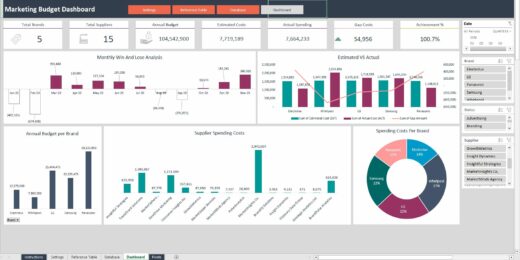

Marketing expenditure refers to the total amount an organization allocates…
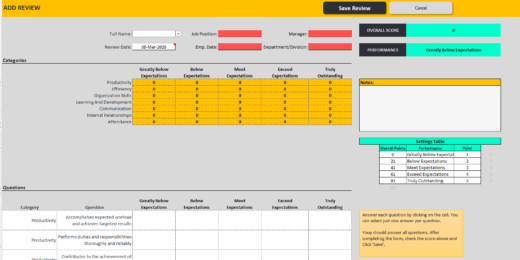
This Performance Review Excel Dashboard Template helps you organize employee…


A professional multi-industry financial model allowing up to 1680 project,…


A practical template to help you keep track of your…
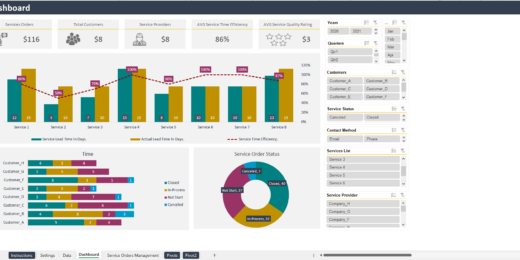
Efficiently Manage Service Orders and Enhance Customer Satisfaction


Empower your manufacturing business with our advanced financial model. Tailored…

Revolutionize your business with the Complete Digital Transformation Excel Toolkit.…


Our Supply Chain Management Dashboard is a comprehensive tool that…

Equips businesses with actionable insights for optimizing sales strategies tailored…

Our CEO Dashboard Excel Template provides a comprehensive overview of…
Maximizing Returns with Smart Financial Planning for Databases

In today's rapidly evolving technological landscape, the database industry sits at the forefront of innovation. As organizations increasingly rely on data to inform strategic decisions, the demand for efficient and scalable database solutions has surged. From cloud databases to expansive data warehousing, these solutions are shaping the backbone of modern enterprise operations. However, navigating this dynamic industry requires more than just technological prowess—it demands astute financial planning. In this context, smart financial planning for databases becomes not only a competitive advantage but also a necessity for maximizing returns and ensuring sustainable growth.
Understanding the Unique Financial Landscape of the Database Industry
The database industry, once seen as a modest segment of the tech sector, has undergone a profound transformation. With businesses increasingly emphasizing data-driven strategies, databases have evolved from traditional relational systems to sophisticated cloud-based platforms and data warehousing solutions. This evolution is driven by the need for scalable, efficient, and secure data management systems capable of handling vast amounts and diverse types of data. The rapid growth of database solutions is primarily fueled by technological advancements and an ever-growing digital landscape. Companies now require more agile and flexible systems, pushing database providers to innovate continuously. As a response, the industry has witnessed the rise of cloud databases, offering clients scalable and cost-effective solutions, further adding complexity to the financial dynamics of this market. Tailored financial planning is crucial in this ever-evolving industry. Database companies must strategically manage resources and investments to navigate growth efficiently. A robust financial plan helps align their technological roadmaps with financial objectives, allowing for wiser decisions regarding infrastructure investments, operating expenditures, and capital allocations. Understanding these financial dynamics provides the foundation for sustained growth and, ultimately, improved returns.Key Performance Indicators (KPIs) for Database Financial Planning
In the database industry, financial planning hinges on several critical KPIs that offer insights into business health and strategic direction. These metrics allow database companies to evaluate performance and adjust strategies to drive growth and efficiency:- Customer Acquisition Cost (CAC): Understanding the cost involved in gaining new customers is essential. Calculating CAC helps businesses determine if their sales and marketing efforts are cost-effective, guiding resource allocation and strategy shifts to optimize acquisition processes.
- Recurring Revenue Metrics: Monthly Recurring Revenue (MRR) and Annual Recurring Revenue (ARR) are critical in assessing the company's predictable revenue stream. For database companies, these metrics offer insights into revenue stability and growth potential, essential for investment planning and forecasting.
- Churn Rate: This metric measures customer retention and loss. A high churn rate indicates challenges in customer satisfaction or product fit, highlighting areas needing improvement. Minimizing churn is vital for maintaining revenue and reducing the cost of re-acquiring lost customers.
- Lifetime Value (LTV): LTV estimates the long-term financial contribution of a customer. A high LTV indicates a profitable customer relationship, underscoring the importance of fostering long-term client loyalty in the database industry.
Financial Planning Strategies Tailored for Database Solutions
Strategic financial planning in the database industry requires a multi-faceted approach that accounts for both current challenges and future opportunities. By incorporating scenario analysis and stress testing, companies can anticipate and prepare for various financial outcomes. This approach helps mitigate risks associated with market volatility and technological changes. Capital and operational expenditures are other critical components of financial planning. The database industry often requires substantial investment in infrastructure, which should be balanced against operational costs. A comprehensive analysis of capital expenditure and operational efficiency ensures that investments are aligned with growth objectives without compromising financial stability. Funding strategies are also paramount for database companies. Whether seeking venture capital for expansion or debt for operational needs, assessing funding requirements involves evaluating growth prospects against financial constraints. This strategic alignment of funding helps secure necessary resources while maintaining operational flexibility. Developing budgets that support growth trajectories is essential for sustaining momentum in the fast-paced tech sector. Best practices include setting realistic financial goals, tracking progress, and adjusting budgets as new data and insights emerge. An agile budgeting process ensures database companies remain responsive to changes while capitalizing on new opportunities.Leveraging MS Excel Spreadsheet Templates for Efficient Financial Planning
Financial planning can become overwhelming without the right tools and methodologies. Here, MS Excel spreadsheet templates offer significant advantages, streamlining complex financial processes and enhancing decision-making accuracy. Excel templates provide unmatched customization and flexibility, allowing companies to tailor financial models to specific database scenarios. Built-in formulas and functions facilitate accurate calculations, ensuring data consistency across projections. This reliability is particularly beneficial for database companies, where precise financial modeling is key to aligning business strategies with industry dynamics. Moreover, Excel's scenario analysis capabilities allow for exploring various financial outcomes, preparing companies to adapt quickly to changes. This adaptability in planning ensures that companies can pivot strategies in response to evolving market conditions. Case studies abound of database companies successfully employing Excel templates for financial planning. By leveraging Excel's comprehensive modeling capabilities, these companies have optimized cash flow, improved financial forecasting, and fostered data-driven decision-making. When compared to other financial tools, Excel often stands out in terms of cost-effectiveness and ease of use—qualities especially valuable for tech companies aiming for agile financial management.Conclusion: Empowering Growth with Strategic Financial Planning
Strategic financial planning is indispensable in maximizing returns within the database industry. By embracing industry-specific KPIs, adopting tailored financial strategies, and utilizing efficient tools like MS Excel, companies position themselves for sustained growth. These practices not only enhance financial acumen but also empower businesses to navigate the complexities of a rapidly evolving landscape. For those seeking to excel in this competitive environment, exploring specialized financial model templates from eFinancialModels can provide a valuable edge. These templates are designed to accommodate the unique nuances of the database industry, facilitating informed decision-making and driving long-term success. By investing in robust financial planning, companies not only secure their present position but also lay the groundwork for future prosperity. Visit eFinancialModels.com today to discover how our expertise can support your journey in the database industry.Frequently Asked Questions on Financial Planning for Databases
- Why is financial planning crucial in the database industry? Financial planning is essential in the database industry due to its rapidly changing technological landscape. It helps companies make informed strategic decisions, optimize resource allocation, and ensure sustainable growth, ultimately maximizing returns.
- What are the key KPIs to consider for database financial planning? Important KPIs for database financial planning include Customer Acquisition Cost (CAC), Recurring Revenue Metrics (MRR and ARR), Churn Rate, and Lifetime Value (LTV). These metrics offer insights into business health, revenue stability, and customer relationships.
- How do Excel spreadsheets aid in financial planning for database companies? Excel spreadsheet templates provide customization and flexibility, allowing database companies to create tailored financial models. They streamline complex processes, ensure accuracy in calculations, and help explore different financial scenarios, supporting agile decision-making.
- What financial strategies can database companies employ for growth? Database companies can utilize scenario analysis, stress testing, and efficient funding strategies while developing responsive budgets to navigate growth effectively.
You might also like: