
0 ITEMS

Contractor
Contractors are organizations or companies that do the bulk of works for others at a set price or rate. They are responsible for the overall coordination of the projects. The contractors submit a bid for a particular project considering the costs to perform the task such as direct labor, materials, professional fees, and equipment. If the contractor hires a subcontractor, the former is responsible for the quality of work delivered by the subcontractor. The presented financial model templates here are suited for related businesses for startup and existing contractors' services.
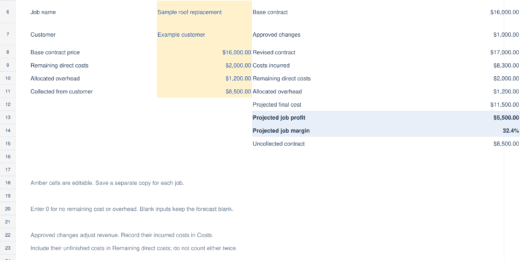

Plan estimates, track job expenses and approved changes, review projected…

Days sales outstanding is the number every trade business quotes…


A 5-year, SBA-lender-ready model for buying a single-branch landscaping /…


An easy-to-use Excel financial model built for engineering firms to…


This financial model is designed for disaster restoration companies offering…


Comprehensive editable, 5-year 3 statement MS Excel spreadsheets for tracking…

Very comprehensive editable Financial models for tracking CNC Component Manufacturer…


This bundle offers essential Excel and Word templates for the…

A comprehensive editable, MS Excel spreadsheet for tracking Solar Panel…

A comprehensive editable, MS Excel spreadsheet for tracking Solar Farm…

Comprehensive Construction Plant Hire Company Financial Model and Valuation, Cash…

Comprehensive editable, MS Excel spreadsheets for tracking Construction Equipment Manufacturer…

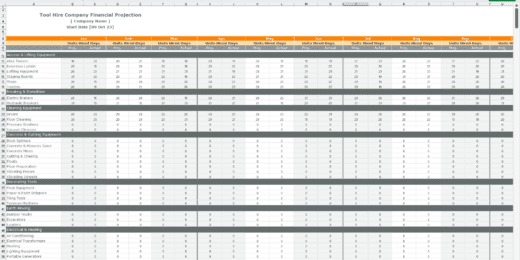
A very comprehensive editable Excel spreadsheet for tracking your tool…
The report is containing full set of financial feasibility study…


Financial Model providing an advanced 5-year financial plan for a…

Financial Model providing an advanced 5-year financial plan for a…

Financial Model providing an advanced 5-year financial plan for an…


This dashboard will improve the tracking of any general contracting…

Financial Model providing an advanced 5-year financial plan for an…

This financial model lets the user plan out cash requirements…

Lifetime access to all future templates as well! Here is…


The Electrical Contractor Financial Model helps users build a structured…


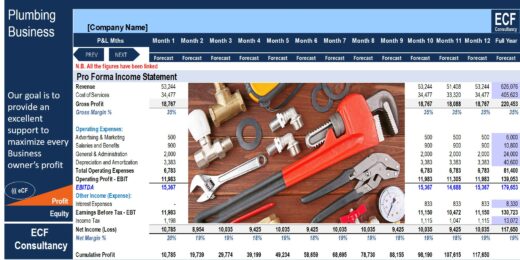
The report is containing full set of financial feasibility study…
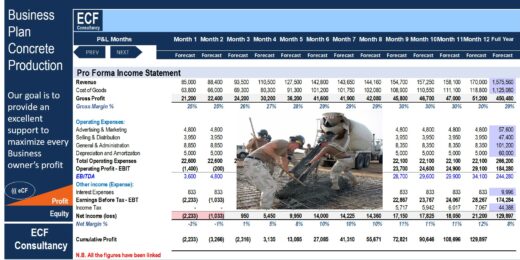
If you're dreaming of starting a Concrete Contractor business, try…


Analyse the Start or Expansion of a Building Equipment Hire…



3 statement 5 year rolling financial projection Excel model for…



This Model provides a framework to accurately forecast the financial…

This is a financial model for an innovative infrastructure solutions…

Navigating Cash Flow Challenges in Contractor Financial Planning

The construction industry is a dynamic sector characterized by its cyclical nature, where periods of high demand are often followed by downturns. This unpredictability presents unique financial management challenges for contractors, who face obstacles such as payment delays, project overruns, and fluctuating workloads. Successful contractor financial planning hinges on effective cash flow management, enabling businesses to remain viable amid these challenges. Leveraging industry-specific financial planning tools is key to navigating these financial ups and downs, ensuring that contractors can thrive despite economic volatility.
Understanding the Financial Landscape and Its Challenges
The construction sector's financial landscape is distinguished by its cyclical nature, where economic booms lead to high project volumes, and downturns often cause sharp declines. This cycle results in fluctuating demand, presenting both opportunities and challenges for contractors. Contractors not only have to manage the operational aspects of their projects but also navigate complex financial terrain. Payment delays, for instance, can create significant cash flow constraints, especially when project expenses continue to accrue irrespective of revenue influxes.
Project overruns pose another substantial challenge, as they can erode already thin profit margins. Furthermore, contractors must grapple with fluctuating demand, which requires nimble resource allocation and financial prudence. Effective cash flow management is crucial for contractors to remain solvent and competitive. Employing industry-specific financial planning tools empowers contractors with the insights necessary to tackle these issues head-on, enabling them to devise robust strategies tailored to their unique operational needs.
Using Key Performance Indicators for Improved Financial Tracking
To effectively monitor and manage their financial health, contractors must utilize key performance indicators (KPIs). KPIs serve as essential metrics that provide insights into operational efficiency and financial sustainability.
Importance of KPIs in Monitoring Finances: KPIs in the contracting sector help in tracking financial performance and operational efficiency. They provide a framework for contractors to assess their financial health, monitor progress against strategic goals, and make informed decisions. By tracking these metrics, contractors can identify potential areas of concern early, allowing them to make necessary adjustments to stay on course.
Essential KPIs for Contractors: Key performance indicators for contractors include:
- Cash Flow Variance: This KPI measures the difference between actual and projected cash flow, helping contractors assess if they have the liquidity needed to cover their financial obligations. Discrepancies can highlight issues in forecasting or unexpected financial bottlenecks.
- Working Capital Ratio: This measures a contractor's ability to meet daily operational costs. A favorable ratio indicates that the contractor has enough short-term assets to cover short-term liabilities, ensuring financial stability.
- Days Sales Outstanding (DSO): DSO assesses how efficiently a contractor collects cash from clients. A lower DSO indicates prompt collection of receivables, which is critical for maintaining a positive cash flow.
- Project Profitability: This KPI helps contractors evaluate the gross margins of their individual projects, revealing which contracts are contributing to the bottom line and which may be dragging it down.
- Backlog Coverage Ratio: This metric appraises the sustainability of future revenue by evaluating the ratio of contracted or planned work to company capacity, which informs long-term financial planning.
Implementing Financial Planning Strategies for Cash Flow Challenges
Financial planning strategies are crucial for contractors to bolster their cash flow management and address sector-specific challenges. From effective forecasting to maintaining financial buffers, several tactics can enhance a contractor's financial resilience.
Forecasting and Budgeting for Contractors: Accurate financial forecasting and budgeting are vital in project planning, allowing contractors to anticipate cash needs and allocate resources effectively. Contractors should employ seasonal budgeting strategies tailored to cyclical demand variations, as well as project-based budgets that align with specific contractual obligations. These strategies can mitigate the unpredictability inherent in the industry.
Managing Receivables and Payables: Improving cash flow requires diligent management of receivables and payables. Strategies such as implementing efficient invoicing and collection processes, coupled with negotiating favorable payment terms with suppliers and subcontractors, can significantly improve cash liquidity. Contractors should establish clear payment deadlines and maintain open communication channels to facilitate timely payments.
Maintaining a Contingency Fund: Having a contingency fund is imperative for contractors to absorb unforeseen costs and project delays. This financial buffer acts as a safeguard against financial disruptions, ensuring continuity in operations. Contractors should determine appropriate contingency levels based on project size, complexity, and inherent risks, thus pre-emptively mitigating potential setbacks.
Role of Financial Modeling in Enhancing Contractor Planning
Financial modeling is an invaluable tool that enhances financial planning for contractors by providing insights into various scenarios and outcomes.
Why Financial Models Matter for Contractors: Financial models enable scenario analysis and informed decision-making by offering clarity on potential financial trajectories. They enhance the predictability and transparency of financial plans, empowering contractors to make strategic adjustments that align with their objectives and market conditions.
Benefits of Using MS Excel Spreadsheet Templates: Using MS Excel spreadsheet templates for financial modeling offers several benefits. Excel templates provide flexibility and customization potential, allowing contractors to tailor models to their specific needs. These dynamic models can adapt as project conditions evolve, ensuring that financial plans remain relevant and actionable. Contractors can utilize these templates for budgeting, cash flow management, and performance analysis, effectively streamlining their financial planning processes and enhancing operational efficiency.
Strengthening Your Financial Foundation with Specialized Tools
Tailored financial planning is indispensable for contractors striving to maintain a robust financial foundation amidst the industry's complexities. By understanding the importance of industry-specific KPIs and implementing proven financial strategies, contractors can fortify their financial standing and overcome cash flow challenges effectively.
Explore eFinancialModels’ specialized financial model spreadsheet templates for contractors to streamline your financial planning efforts and navigate the dynamic landscape of the construction industry with confidence. These tools are designed to help contractors like you achieve financial stability and thrive in an ever-evolving sector. Invest in your financial strength today and ensure your business' success in both prosperous and challenging times.
Frequently Asked Questions about Contractor Financial Planning
- What are the common financial challenges contractors face? Contractors often face challenges such as payment delays, project overruns, and fluctuating workloads due to the cyclical nature of the industry.
- How important is cash flow management in construction? Cash flow management is critical as it ensures contractors maintain liquidity to fund operations, meet obligations, and seize growth opportunities.
- What KPIs should contractors focus on? Contractors should focus on KPIs like Cash Flow Variance, Working Capital Ratio, Days Sales Outstanding, Project Profitability, and Backlog Coverage Ratio.
- How can financial modeling benefit contractors? Financial modeling provides insights into various scenarios, aids in strategic decision-making, and ensures transparency and predictability in financial planning.
- Why should contractors use Excel spreadsheet templates? Excel templates offer customization and flexibility, helping contractors tailor financial models to meet specific needs, ensuring relevant and actionable financial plans.